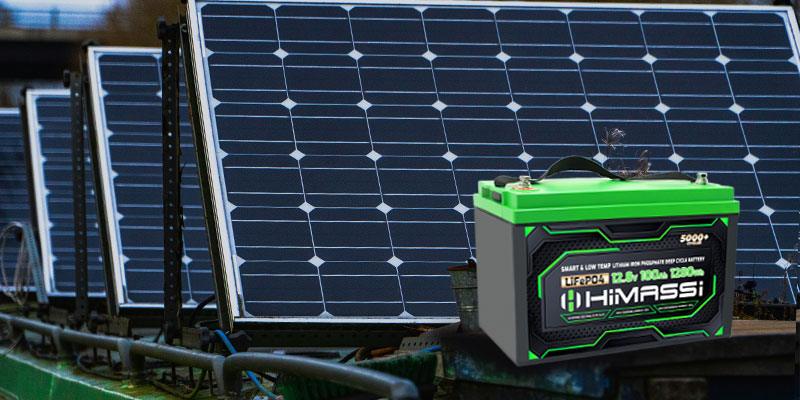
Are you curious about harnessing solar energy and storing it efficiently? Connecting solar panels to a battery station is a smart way to ensure you always have power when you need it.
Whether you’re looking to reduce your electricity bills or gain energy independence, learning this process can be empowering. Imagine having the ability to keep your home powered even during outages or to charge your devices without relying on the grid.
The good news is, it’s easier than you might think. In this guide, you’ll discover the simple steps to connect your solar panels to a battery station. You’ll gain practical tips and insights that make the process straightforward and rewarding. So, if you’re ready to unlock the potential of solar energy, keep reading! You’re about to learn how to make your energy setup more efficient and reliable.
Solar Panel Basics
Solar panels are key to capturing sunlight. Monocrystalline panels are made from a single silicon crystal. They are more efficient but can be costly. Polycrystalline panels use many silicon fragments. They are less efficient but cheaper. Thin-film panels are light and flexible. They are the least efficient but useful for special projects.
Panel efficiency shows how much sunlight is converted to electricity. High-efficiency panels produce more energy. Efficiency depends on sunlight and panel type. Output is measured in watts. It shows how much power a panel can produce. More watts mean more power. Check the panel label for output details. Always ensure proper sunlight exposure for best efficiency.
Battery Station Essentials
Connecting solar panels to a battery station involves a few steps. First, ensure solar panels and battery are compatible. Use a charge controller to regulate voltage and prevent overcharging. Then, connect solar panels to the controller and the controller to the battery.
Types Of Batteries
Different batteries are available for solar panels. The most common types are lead-acid, lithium-ion, and nickel-cadmium. Lead-acid batteries are affordable but heavy. They last for a shorter time. Lithium-ion batteries are light and last longer. They cost more. Nickel-cadmium batteries are durable but less common. Each type has its benefits and drawbacks.
Capacity And Storage
Batteries store energy from solar panels. Capacity measures how much energy a battery holds. Bigger capacity means more energy storage. It’s like a bucket holding water. A small bucket holds less water. Similarly, a small battery stores less energy. Choose a battery based on your energy needs. Consider how much energy you use daily. Make sure the battery can store enough energy for your use.
Tools And Equipment
Connecting solar panels to a battery station requires essential tools and equipment. Use solar cables, a charge controller, and a suitable inverter. Ensure all components are compatible for efficient energy storage and usage.
Necessary Tools
Connecting solar panels needs some important tools. You need a screwdriver to tighten connections. A multimeter helps to check voltage. Wire cutters are needed for cutting wires. Use wrench for bolts. Soldering iron helps in joining wires. Remember, each tool plays a special role.
Safety Gear
Safety is very important. Wear gloves to protect your hands. Use goggles for your eyes. A hard hat keeps your head safe. Wear boots to protect your feet. Always be careful. Safety gear is very important when working with electricity.
Installation Process
Connecting solar panels to a battery station involves a few simple steps. Begin by positioning the panels to capture sunlight efficiently. Then, attach the cables from the panels to a charge controller. Finally, link the charge controller to the battery to store energy effectively.
Site Assessment
Check the area for shadows and obstructions. Sunlight must reach the panels. Examine the roof’s angle and direction. South-facing roofs work best. Ensure the roof is strong. It must hold the panels’ weight. Measure the available space. More space means more panels. Verify local regulations. Some places have rules for solar panels.
Mounting Panels
Mounting is crucial for solar panels. Attach the panels to the mounting structure. Use strong bolts and brackets. Ensure panels face the sun. This increases energy production. Tilt the panels at the right angle. Adjust based on your location. Secure all connections tightly. Loose parts can cause issues. Check for any gaps or spaces. Wind can damage poorly mounted panels.
Wiring Connections
Connecting solar panels to a battery station involves linking the positive and negative terminals with appropriate cables. Use a charge controller to regulate the energy flow and prevent overcharging. Ensure all connections are secure and insulated for safety and efficiency.
Connecting Panels To Charge Controller
Solar panels produce electricity from sunlight. Connect the panels with wires. Use the positive and negative terminals. Ensure wires are tight and secure. Loose wires can cause problems. Next, attach wires to the charge controller. The charge controller manages electricity flow. It prevents overcharging. Follow the instructions for connecting. Make sure all connections are correct.
Linking Charge Controller To Battery
Link the charge controller to the battery. First, find the battery terminals. They are marked positive and negative. Connect the positive wire to the positive terminal. Do the same for the negative wire. Make connections tight and secure. This step is very important. The charge controller will manage battery charging. Check the manual for correct setup. Proper wiring keeps the battery safe.
Testing And Monitoring
Testing and Monitoring Start by checking all connections between the solar panels and battery. Ensure wires are secure and free of damage. Regularly measure voltage and current to confirm efficient energy transfer. Use a reliable multimeter for accurate readings. This helps maintain optimal performance and extend the system’s lifespan.
Checking System Performance
Ensure all connections are tight and secure. Loose connections can affect performance. Use a multimeter to test voltage levels. Proper voltage means the system is working well. Check wiring for any signs of wear or damage. Damaged wires can cause problems. Regular inspection helps maintain efficiency. Replace any faulty components promptly.
Monitoring Battery Levels
Keep an eye on battery charge levels. Use a battery monitor for accurate readings. Too low or high levels can harm the battery. Ensure the solar panels are charging the battery correctly. Check for consistent energy flow from panels to battery. Regular monitoring helps avoid battery issues. Take action if levels drop or rise unexpectedly.
Troubleshooting Tips
Solar panels sometimes face connection problems. Wires may be loose. Check all connections. Make sure they are tight. Look for broken wires. A broken wire stops power. Replace any broken wires.
Use a multimeterto check voltage. Voltage should be stable. If voltage drops, check the panel. Clean the solar panel surface. Dirt can block sunlight. Less sunlight means less power.
- Ensure battery terminals are clean.
- Check for corrosion.
- Corroded terminals cause poor connections.
If the battery does not charge, it might be faulty. Test with another battery. If it works, replace the old battery.

Credit: www.jackery.com
Maintenance And Care
Ensure solar panels are clean to maximize energy absorption. Connect panels using appropriate cables and charge controller. Follow manufacturer instructions for safe and efficient setup, ensuring compatibility with battery specifications. Regularly check connections and monitor battery levels for optimal performance.
Regular Inspections
Inspect solar panels and batteries every few months. Look for any cracks or damage. Check connections to ensure they are tight. Loose connections can cause problems. Batteries should be checked for leaks or corrosion. It’s important to identify issues early. This helps prevent bigger problems later. Keep a checklist to track inspections. This makes the process easier.
Cleaning And Upkeep
Clean solar panels to keep them efficient. Dust and dirt can block sunlight. Use water and a soft cloth for cleaning. Avoid using harsh chemicals. They can damage the panels. Trim any trees that block the sun. This ensures panels get enough light. Clean batteries too, but be careful. Wear gloves to protect your hands. Proper cleaning helps everything work well.
Future Upgrades
Connecting solar panels to a battery station involves linking the panels to a charge controller. This device regulates the energy flow to prevent battery overcharging. Proper wiring ensures efficient energy storage for future use.
Expanding Capacity
Increasing solar panel capacity can power more devices. This means you can use more energy from the sun. You might need more batteries to store extra power. Make sure your system can handle the extra load. Use the right connectors for safety. Check that cables are thick enough to carry more electricity. Always follow the instructions for your equipment. This helps avoid problems and keeps everything working well.
Integrating Smart Technology
Smart technology helps manage solar power better. It can show how much energy you use. You can see when your batteries are full. Smart systems can turn off devices when not needed. This saves more energy. Install apps to control your solar setup from your phone. These tools make using solar energy easier and more fun. They help you get the most from your panels.

Credit: www.jackery.com

Credit: truegear.com.au
Frequently Asked Questions
Can You Connect A Solar Panel Directly To A Power Station?
Yes, you can connect a solar panel directly to a power station. Ensure compatibility and use a charge controller for safety. This setup efficiently harnesses solar energy for power station use. Always follow manufacturer guidelines for optimal performance and safety.
Can I Just Connect A Solar Panel Directly To The Battery?
Connecting a solar panel directly to a battery can damage it. Use a solar charge controller to regulate voltage and current. This prevents overcharging and extends battery life. A controller ensures safe and efficient energy transfer from the panel to the battery.
How To Charge A Portable Power Station With A Solar Panel?
Connect the solar panel to the portable power station using the appropriate cables. Ensure the solar panel is positioned in direct sunlight for optimal charging. Check compatibility between the solar panel and power station. Monitor charging progress on the power station’s display to ensure efficient energy transfer.
What Do I Need To Connect A Solar Panel To A Battery?
To connect a solar panel to a battery, you need a solar charge controller. Use appropriate cables and connectors for secure connections. Ensure the solar panel voltage matches the battery’s voltage. Proper installation avoids damage and ensures efficient energy transfer.
Follow manufacturer instructions for safety and optimal performance.
Conclusion
Connecting solar panels to a battery station empowers energy storage. It supports sustainable living. This setup ensures reliable power during outages. With basic tools, you can complete the connection. Follow instructions for safe installation. Use quality cables for efficient energy transfer.
Regular maintenance keeps the system optimal. Monitor performance to maximize benefits. Solar energy is clean and renewable. It reduces electricity bills over time. Enjoy the perks of solar power. Embrace this eco-friendly choice for your home.