Imagine this: a sudden power outage plunges your home into darkness. You scramble for flashlights and candles, but there’s a better way to keep the lights on.
Connecting a standby generator to your house can ensure you’re never left in the dark again. But how do you do it safely and effectively? You might feel overwhelmed just thinking about it, but fear not. In this guide, you’ll discover step-by-step instructions that will make the process simple and stress-free.
By the end, you’ll be equipped with the knowledge to keep your home powered up, even when the grid lets you down. Ready to take control of your power supply? Let’s dive in.
Choosing The Right Generator
Assessing power needs means figuring out how much electricity your home uses. List all devices you want to run during a power outage. Include lights, refrigerator, heater, and any medical equipment. Add up the wattage of these devices. This total helps you choose the right generator size.
Types of standby generators vary by fuel type and installation. Common fuels are natural gas, propane, and diesel. Natural gas generators connect directly to your gas line. Propane models use stored fuel tanks. Diesel generators are powerful but noisier. Choose one that fits your home and budget.
Sizing your generator is key to avoid under or over-sizing. A generator too small won’t power all devices. Too large wastes fuel and money. Use the total wattage from your list. Add 20% extra to handle surges when devices start. This ensures smooth power supply.
Safety Precautions
Electrical safetyis very important when connecting a standby generator. Always turn off the main power before starting work. Use a transfer switchto avoid backfeed that can harm utility workers. Check all wires for damage and proper insulation. Never connect the generator directly to home wiring without a transfer switch.
Permits and regulationsmust be followed to avoid fines or hazards. Local codes often require permits for generator installation. Contact your city or county office to learn about rules. Following guidelines ensures the system is safe and legal.
Professional helpis highly recommended for installation. Licensed electricians know the right steps and safety measures. They can install the transfer switch and wiring correctly. This reduces risks of fire, shock, or damage.
Preparing The Installation Site
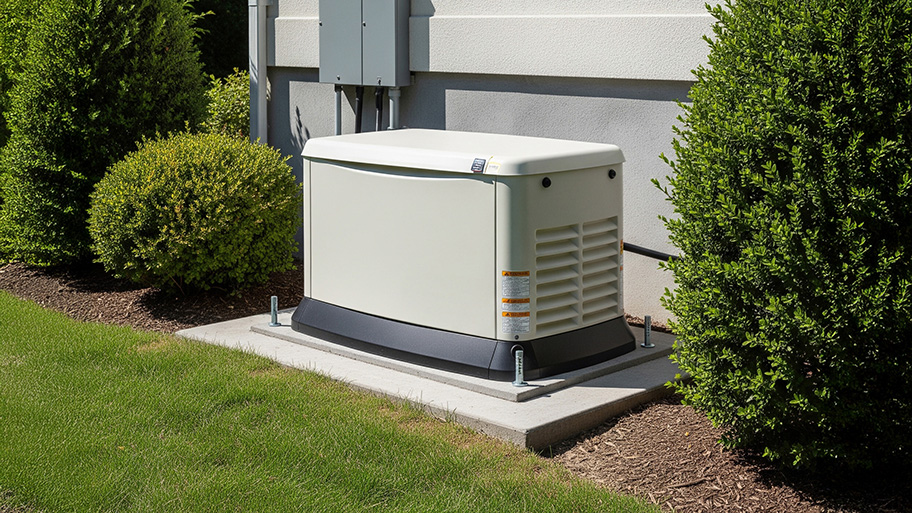
Choose a flat, stable areafor the generator. It should be close to your main electrical panelbut away from windows and doors. This keeps fumes and noise away from your home.
Make sure there is enough clearancearound the generator. Leave at least 3 feetof space on all sides for airflow and maintenance.
The base must be strong and level. Concrete pads or gravel beds work well. Avoid soft ground that can sink or shift.
Protect the generator from rain and snow. Use a weatherproof coveror enclosure. Make sure the cover allows air to flow freely to prevent overheating.

Credit: aquariushomeservices.com
Installing The Transfer Switch
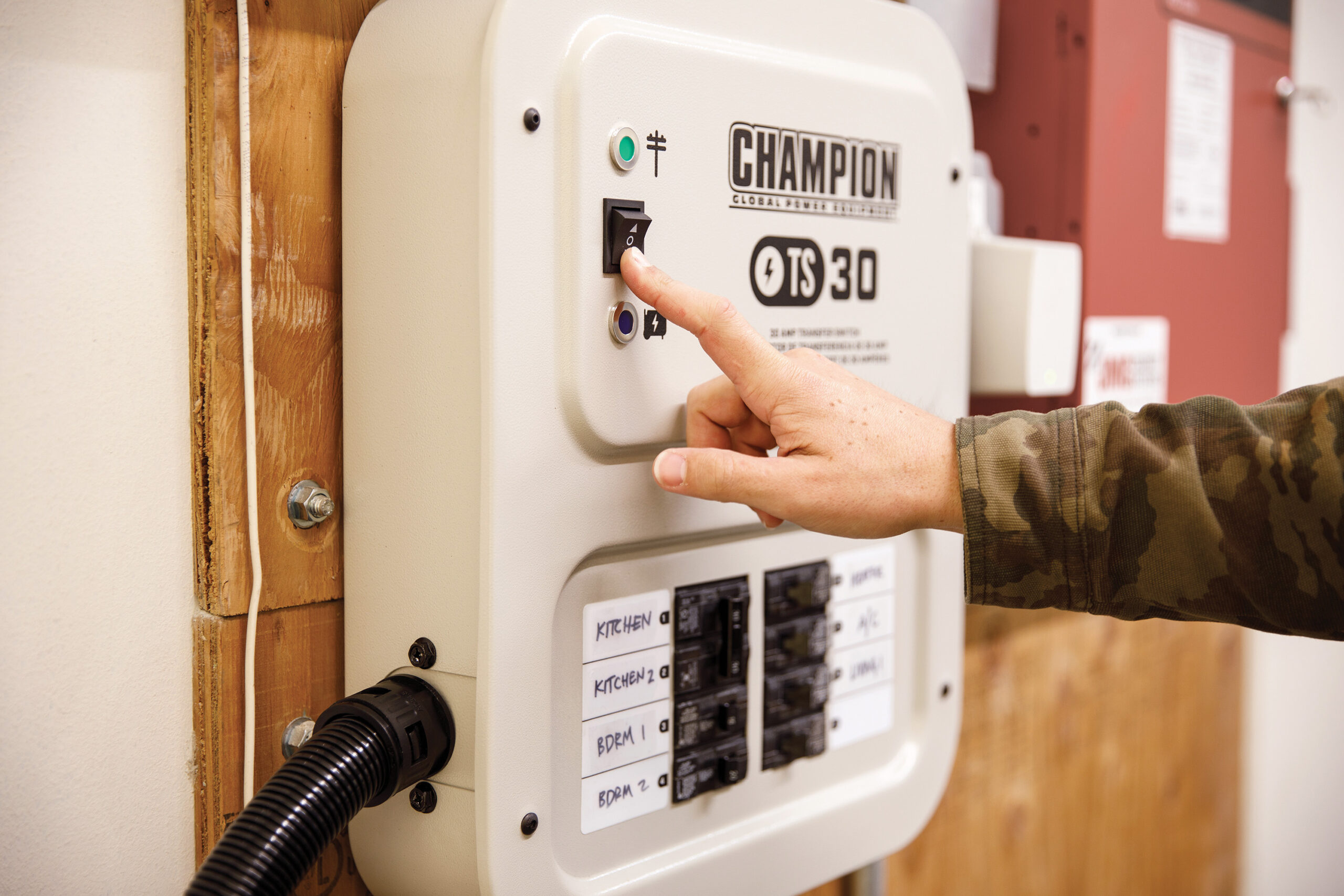
A transfer switchsafely connects a standby generator to your house electrical system. It stops power from the generator and the utility from mixing. This protects utility workers and your devices.
| Type of Transfer Switch | Description | Best For |
|---|---|---|
| Manual Transfer Switch | Requires you to switch power sources by hand. | Simple setups and lower cost. |
| Automatic Transfer Switch | Switches power sources automatically during outages. | Convenience and full home backup. |
Wiring the transfer switch needs care. Use correct wire sizes and follow local rules. Connect wires from your home’s main panel to the transfer switch. Then link the switch to the generator. Always turn off main power before wiring. Double-check connections to avoid hazards.
Connecting The Generator
Understanding generator wiring basicsis key to safe and effective connection. Use wires that match the generator’s power output. Connect the wires tightly to avoid loose connections. Protect wires with proper insulation to prevent electric shocks.
The transfer switchacts as a bridge between the generator and your home’s electrical system. It stops electricity from the utility line and generator from mixing. This switch helps to safely switch power sources during an outage.
Grounding the generatoris essential for safety. Attach a grounding wire from the generator to a grounding rod driven into the earth. This prevents electric shocks and reduces fire risks. Always check local codes for grounding rules.
Credit: www.championpowerequipment.com
Testing And Maintenance
Initial testingof your standby generator ensures it works well before use. Check fuel levels and oil quality. Start the generator and listen for unusual sounds. Make sure the transfer switch moves power to the generator smoothly. Test the generator under load by turning on some appliances. Watch for power stabilityand proper voltage. Record any errors or problems during testing to fix later.
Regular maintenancekeeps the generator ready for power outages. Change oil and oil filters every 100 hours or as advised. Clean air filters to prevent dust build-up. Check spark plugs and replace if worn. Inspect fuel lines for leaks or cracks. Run the generator monthly to keep parts moving and fuel fresh. Keep the battery charged and terminals clean.
Troubleshooting common issuessaves time and money. If the generator won’t start, check the fuel and battery first. Look for clogged air filters or dirty spark plugs. If the generator runs but power is weak, verify the transfer switch and connections. Listen for strange noises that might mean loose parts. Keep a log of problems to share with a technician if needed.

Credit: www.outdoorproject.com
Frequently Asked Questions
How Do I Safely Connect A Standby Generator To My House?
Use a transfer switch to connect your standby generator safely. This prevents backfeeding and protects utility workers. Always hire a licensed electrician for installation to ensure compliance with local codes and safety standards.
What Equipment Is Needed To Connect A Standby Generator?
You’ll need a transfer switch, proper wiring, and a generator inlet box. The transfer switch controls power flow, while the inlet box connects the generator to your home. Ensure all equipment matches your generator’s capacity and local electrical codes.
Can I Connect A Standby Generator Myself?
It’s not recommended to connect a standby generator yourself. Electrical work can be dangerous and requires permits. Hiring a licensed electrician ensures a safe, code-compliant installation and protects your home and family from risks.
How Does A Transfer Switch Work With A Standby Generator?
A transfer switch safely switches power from the utility to your generator. It prevents power from flowing back into the grid. This protects utility workers and ensures your home receives electricity without interruption.
Conclusion
Connecting a standby generator to your house keeps power flowing during outages. Always follow safety rules and local codes for installation. Use a transfer switch to avoid backfeeding and protect your system. Regular checks help your generator work when you need it most.
Taking these steps makes sure your home stays powered and safe. Ready for the next power cut? You will be.