Imagine this: A sudden storm hits, and your power goes out. You’re left in the dark, worrying about the food in your fridge and the comfort of your home.
But wait—what if you had a standby generator ready to kick in and keep your life running smoothly? Connecting a standby generator to your natural gas line could be the solution to your worries. It ensures you have a reliable power backup when you need it most.
You might be wondering, is it complicated? Will it disrupt your day-to-day activities? The good news is, it doesn’t have to be. By understanding how to connect your standby generator to your natural gas line, you can secure peace of mind during power outages. This guide is designed with you in mind, simplifying the process and highlighting key steps to make the connection seamless. Stick with us, and you’ll discover how easy it can be to protect your home and family from unexpected blackouts.
Credit: www.powerequipmentforum.com
Safety Precautions
Ensure gas supply is off before connecting the generator. Use the correct fittings to avoid leaks. Verify all connections are secure and test for leaks with soapy water.
Checking Local Regulations
Always check the local regulations before starting work. Some places have rules about connecting generators. You might need a permit or inspection. Rules ensure safety for everyone. Contact your local government office for details. This will help avoid fines or issues. Make sure you understand all the requirements. It’s important to follow them closely.
Gathering Protective Gear
Safety gear is very important. You need to protect yourself when working. Wear a hard hat to protect your head. Gloves keep your hands safe from cuts. Goggles shield your eyes from dust and debris. Make sure your shoes have good grip. Always wear strong shoes to avoid slipping. A safety vest helps others see you clearly. It is bright and easy to spot.

Credit: aquariushomeservices.com
Essential Tools And Materials
Essential tools for connecting a standby generator to a natural gas line include pipe wrenches, Teflon tape, and a gas regulator. Materials like flexible gas lines and fittings ensure a secure and efficient connection. Proper safety gear is crucial to prevent accidents during installation.
Tools Required
Basic toolsare important for this task. You will need a wrench set. A pipe cutter is also necessary. Make sure to have a gas leak detector. A screwdriver is useful too. Don’t forget a tape measure. Safety goggles and gloves are a must.
Materials Checklist
- Flexible gas line
- Pipe sealant
- Shut-off valve
- Connector fittings
- Thread tape
- Weatherproof cover
Ensureyou have all the materials before starting. Missing items can delay work. Double-check your list for accuracy.
Site Preparation
Site Preparation for connecting a standby generator to a natural gas line involves checking local regulations and ensuring proper permits. Select an appropriate location close to the gas line and clear any debris. Ensure the area is level and stable to support the generator’s weight.
Choosing Installation Location
Pick a place away from doors and windows. The spot should be dry and safe. Avoid areas with heavy foot traffic. Ensure there’s enough space for the generator. Check local codes for distance rules. Make sure technicians can reach the generator easily.
Clearing And Leveling The Area
Remove any rocks and debris from the site. Trim plants and grass around the area. Use a shovel to level the ground. Make the ground flat and even. Consider pouring a concrete pad for stability. This helps in keeping the generator steady.
Generator Placement
Connecting a standby generator to a natural gas line requires precise steps. Ensure all connections are secure for safety. Always follow local regulations and consult a professional if needed. Proper placement of the generator is crucial to ensure efficiency and safety during operation.
Positioning The Generator
Place the generator on a flat surface. Ensure it is away from windows. Keep it at least five feetfrom any structure. This helps avoid fumes entering buildings. Choose a spot with good air flow. Avoid water puddles or wet areas. Protect it from rain with a cover. Ensure easy access for maintenance.
Securing The Generator
Secure the generator with boltsor straps. This prevents it from moving. A generator should not tip over. Make sure it is stable. Check if it is level. Use a strong baseto support it. Consider a concrete pad for stability. Ensure it is safe from theft. Lock it with a strong chain if needed.
Natural Gas Line Installation
Install the natural gas line with care. Make sure the pipe is of the right size. Use a wrench to tighten connections securely. Ensure the gas line is clean. Dirt can block the flow of gas.
Connecting Gas Line To Generator
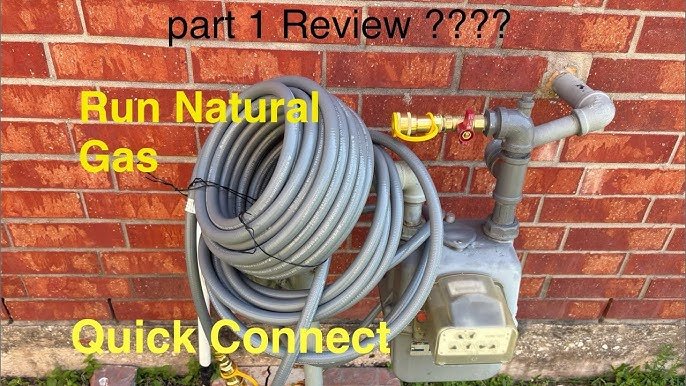
Attach the gas line to the generator. Use a flexible hose for easy connection. Check the fittings are tight. Loose fittings can cause leaks. Secure the line with clamps.
Checking For Leaks
- Apply soap solution to connections.
- Look for bubbles forming.
- If bubbles appear, tighten fittings.
- Check again until no bubbles form.

Credit: www.youtube.com
Electrical Connections
Connecting a standby generator to a natural gas line involves ensuring proper fittings and secure connections. Verify the gas line pressure and choose suitable hoses and fittings for a safe installation. Always consult a professional to prevent leaks and ensure compliance with local safety regulations.
Wiring The Generator
Connect the generator wires to the transfer switch. Use the correct wire gauge for safety. Attach wires securely to avoid loose connections. Ensure the generator is turned off while wiring. Follow the manufacturer’s instructions for guidance. Use electrical tape to cover exposed wires. Double-check all connections before proceeding.
Testing Electrical Connections
Test the connections with a multimeter. Check for continuity in all wires. Ensure no wires are damaged or broken. Verify the voltage is correct for your system. Test the generator by starting it. Observe if all connected devices work smoothly. If issues arise, recheck each connection carefully.
Final System Check
Start the generator to see if it works well. Listen for any strange noises. The generator should run smoothly without hiccups. Check if all connections are tight and secure. Make sure the lights on the control panel are green. A green light means everything is fine. If you hear a strange sound, turn off the generator.
Keep the area around the generator clear. Make sure no objects block the airflow. Never touch the generator while it’s running. It can be very hot and dangerous. Check for gas leaks by smelling the air. A strong smell means you should call a professional. Always have a fire extinguisher nearby. This keeps everyone safe.
Maintenance Tips
Connecting a standby generator to a natural gas line requires careful planning. Ensure all connections are secure and check for leaks. Always follow local regulations and hire a professional if needed to avoid safety hazards. Proper installation ensures reliable power during outages.
Regular Inspection Schedule
Generators need regular checks to work well. Create a simple schedule for inspections. Look at connections and check for leaks. Make sure all parts are clean. Inspect wires and bolts for damage. Keep a checklist handy for every inspection. This helps avoid missing anything important. A good schedule keeps the generator running smoothly.
Troubleshooting Common Issues
Sometimes generators have problems. Check the fuel lines for blockages. Listen for unusual sounds. Tighten loose connections if needed. Restart the generator to reset settings. Look at the display for error codes. Fix small issues before they become big. Keep a guidebook handy for troubleshooting. It helps solve problems quickly and easily.
Frequently Asked Questions
Can I Connect A Generator To A Natural Gas Line?
Yes, you can connect a generator to a natural gas line. Ensure compatibility with generator specifications. Professional installation is recommended for safety and compliance with local regulations. Proper maintenance is crucial for efficient operation and longevity. Always consult the generator’s manual and local authorities before proceeding.
Can Standby Generators Run On Natural Gas?
Yes, standby generators can run on natural gas. They offer a reliable and efficient power source. Natural gas generators are ideal for homes with a natural gas supply. They are eco-friendly and cost-effective compared to other fuels. Ensure proper installation for optimal performance and safety.
Does A Standby Generator Need A Dedicated Gas Line?
Yes, a standby generator typically requires a dedicated gas line for optimal performance. This ensures a consistent fuel supply. Without a dedicated line, there might be interruptions. Consult a professional to install the gas line safely and according to local codes.
Proper installation improves efficiency and reliability.
How To Connect Generator To Domestic Supply?
Connect your generator by using a transfer switch. This ensures safe power supply to your home’s circuits. Always follow manufacturer instructions and consult an electrician for installation. Proper setup prevents backfeeding, protecting utility workers and equipment. Ensure your generator is rated for your home’s power needs.
Conclusion
Connecting a standby generator to a natural gas line ensures reliable power. Safety is crucial. Hire a professional for installation. They know the rules and tools needed. Regular checks keep your generator running smoothly. Natural gas is clean and efficient.
It powers your home during outages. Remember to check connections and controls. A well-maintained generator provides peace of mind. Stay prepared for storms and emergencies. Reliable power keeps life running smoothly. Don’t let unexpected power outages disrupt your day. With the right setup, you stay powered.
Keep your home safe and comfortable.