
Imagine a world where you no longer have to rely on noisy, fuel-guzzling generators during power outages. Instead, you could enjoy the quiet, renewable energy of the sun.
Converting your gas generator to solar power might seem like a daunting task, but it’s easier than you think and can save you money in the long run. Plus, you’ll contribute to a greener planet and reduce your carbon footprint.
Are you ready to discover how this transformation can benefit you and your home? Stick around, and you’ll learn step-by-step how to make this eco-friendly switch, ensuring you never run out of power when you need it most. Let’s dive into the future of energy savings and sustainability together!
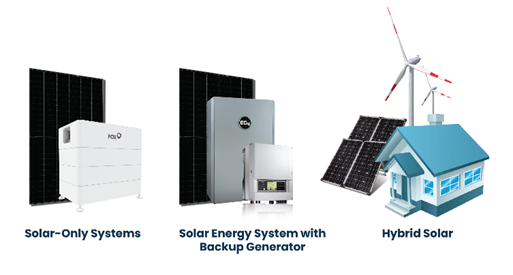
Credit: solarsme.com
Benefits Of Switching To Solar
Switching from a gas generator to solar power reduces emissions and lowers energy costs. Solar energy is renewable and sustainable. This transition promotes a cleaner environment and offers long-term savings.
- Solar energyis clean and helps the environment.
- Save money on electricity bills over time.
- Solar panels need low maintenance.
- Energy from the sun is renewableand never runs out.
- Solar systems can work even without sunlight.
- Reduce carbon footprintand help fight climate change.
- Solar energy is quietand does not make noise.

Credit: www.youtube.com
Assessing Your Energy Needs
Understanding how to convert a gas generator to solar involves evaluating your energy needs. Determine required power output, ensuring solar components match those demands effectively. This transition promotes sustainable energy use and reduces reliance on fossil fuels.
Calculating Power Consumption
First, list all your home devices. Write down how much power they use. Look at the device’s label for watts or amps. Multiply amps by volts to find watts if needed. Add all the watts together. This gives total power needs. It’s important to be accurate.
Determining Solar Panel Capacity
Check the total watts you need daily. Divide this by the hours of sunlight your area gets. This gives you the solar panel capacity in watts. Consider getting extra capacity for cloudy days. Choose panels that fit your space and budget.
Gathering Necessary Equipment
Gather essential tools like solar panels and an inverter for the conversion process. Ensure compatibility with existing generator components for seamless integration. Carefully plan the setup to maximize energy efficiency and storage capacity.
Selecting Solar Panels
Solar panels change sunlight into electricity. Choose panels with high efficiency. They should fit your power needs. Check the size and weight. They must suit your space. Look for strong panels that last long. High quality panels work better.
Choosing The Right Inverter
An inverter changes solar power to usable electricity. It must match the solar panel output. Check the inverter’s efficiency rating. Higher ratings mean less energy loss. Choose a reliable brand with good reviews. Make sure it fits your system size. It should be easy to install.
Battery Storage Options
Batteries save solar energy for later use. Choose batteries that hold enough power. Consider lithium-ion batteries. They last long and store energy well. Check the battery’s size and weight. It should fit your space. Compare different brands and prices.
Credit: www.jackery.com
Preparing The Gas Generator
First, ensure the generator is turned offand cooled down. Locate the fuel lines connected to the engine. Use a wrench to loosen the clampson the fuel lines. Carefully pull the lines away from the generator. Check for any leftover fuel and clean spillsimmediately. This prevents accidents and keeps the area safe.
Identify the engine parts that need removal. Use a screwdriver to detach the engine cover. This will reveal the internal components. Next, remove the spark plugcarefully. Take out the air filter and carburetor using a wrench. Ensure all parts are stored safelyfor future use. This step makes room for the solar setup.
Installing Solar Panels
Transforming a gas generator into solar-powered is easier with the right tools. Begin by assessing your energy needs. Choose solar panels that match those requirements. Ensure compatibility with existing generator components. Install an inverter to convert solar energy efficiently. Regular maintenance guarantees optimal performance.
Choosing The Installation Site
Select a spot with direct sunlight. Ensure no trees block the sun. Roofs are often the best place. Keep the panels away from shadows. Sunlight helps create more energy.
Mounting The Panels Securely
Use strong brackets to hold the panels. Ensure they won’t move in the wind. Check the screws are tight. Panels should be at the correct angle. This helps them catch more sun.
Connecting The Inverter
Connecting the inverter is crucial for converting a gas generator to solar energy. It links solar panels to the generator, ensuring a smooth energy transfer. Proper installation optimizes efficiency and reliability in solar power conversion.
Inverter Placement
Find a safe spot for the inverter. It should be close to the battery. Avoid damp or hot areas. Place it on a solid surface. Make sure it has good ventilation. This prevents overheating. Keep it away from flammable materials.
Wiring The System
Use strong cables to connect the inverter. First, link the battery to the inverter. Check if cables are tight. Loose wires can be dangerous. Next, connect the inverter to the solar panels. Ensure all connections are secure. Follow the positive and negative signs. Safety is very important.
Setting Up Battery Storage
Converting a gas generator to solar power involves integrating solar panels and setting up battery storage. This process ensures a cleaner, more sustainable energy source, reducing reliance on fossil fuels. Proper installation of the battery storage system is key to efficiently harnessing and storing solar energy.
Battery Placement Considerations
Place batteries in a safe and dry location. Avoid direct sunlight and water exposure. Ensure ventilation to prevent overheating. Keep batteries away from flammable materials. Secure batteries to prevent tipping or movement. Use a sturdy shelf or rack for storage. Ensure easy access for maintenance and checks. Consider installing temperature sensors for added safety.
Connecting Batteries To The System
Connect batteries using thick cables. This ensures efficient power transfer. Use connectors to link batteries together. Check connections are tight and secure. Install a fuse near the battery for safety. Connect to the charge controller first. Follow wiring instructions carefully. Ensure polarity is correct to avoid damage. Test connections after setup.
Testing The Solar Setup
Ensure all solar panels are connected properly. Look at the wires and connections. All parts should fit snugly. A loose connection can cause problems. Next, check the power output. Use a simple meter to measure. The reading should match your solar panel specs. If not, recheck the connections. A faulty setup can lead to low power. Ensure the battery is charging well. If the battery level stays low, there might be an issue.
Safety is very important. Check for exposed wires. Cover them to avoid shocks. Ensure all connections are tight. Loose parts can cause sparks. Test the system in a safe area. Keep flammable items away. Make sure the system is grounded. This prevents electric shocks. Follow all safety rules. Protect yourself and the system. Regular checks ensure everything works well. Safe setups save lives.
Maintenance Tips
Converting a gas generator to solar involves understanding power needs and selecting the right solar panels. Install inverters and batteries to store energy efficiently. Regularly clean solar panels to maintain performance and ensure proper connections for safe operation.
Routine Inspections
Perform regular checks on your solar system. Look for loose wires or connections. Ensure all parts are tightly secured. Batteries must be checked for any leaks. Inspect solar panels for cracks or dirt. Ensure the inverter is functioning well. Early detection prevents bigger issues.
Cleaning And Care
Keep solar panels clean for best performance. Use a soft cloth to remove dust. Avoid using harsh chemicals. Water can help wash away grime. Check for bird droppings regularly. They can block sunlight and reduce energy. Trim nearby trees to prevent shade on panels. Ensure air vents are not blocked. Clean them gently with a brush. Proper care extends the system’s life.
Troubleshooting Common Issues
Switching a gas generator to solar can face issues like battery compatibility and inverter selection. Understanding these components helps ensure a smooth conversion. Proper wiring and placement of solar panels are also crucial for effective operation.
Power Output Problems
Check solar panels for dirt or damage. Clean them if needed. Inspect all wiring connectionsfor loose or broken wires. Tighten or replace them if necessary. Ensure the batteryis fully charged. A low battery can cause power issues. Verify the inverter is on and functioning properly.
Inverter Malfunctions
Look at the inverter display for error messages. Each message hints at a specific problem. Inspect the inverter’s fan and vents for dust. Clean them to improve cooling. Check all cables and connectionsfor damage. Replace any frayed or broken cables. Ensure the inverter is not overheating. Allow it time to cool if it feels hot.
Frequently Asked Questions
Can You Hook Up Solar Panels To A Gas Generator?
Solar panels cannot be directly hooked to a gas generator. Use an inverter to convert solar power to AC. Ensure compatibility and safety by consulting a professional. Mixing solar and gas generator systems requires careful planning and proper equipment. Consider battery storage for solar energy efficiency.
How Big Of A Solar Generator Do You Need To Power A House?
To power a house, a solar generator should have a capacity of 5,000 to 7,000 watts. This range covers basic needs. Assess your home’s energy consumption for precise sizing. Consider factors like location, sunlight hours, and appliance usage. Consult a professional for tailored advice.
How Long Will A 1000 Watt Solar Generator Run A Refrigerator?
A 1000-watt solar generator can run a refrigerator for about 10-12 hours. This depends on the fridge’s wattage and energy consumption. Efficient refrigerators use around 100-200 watts per hour, affecting runtime. Always check your appliance’s power usage for accurate calculations.
How Do I Make My Own Solar Generator?
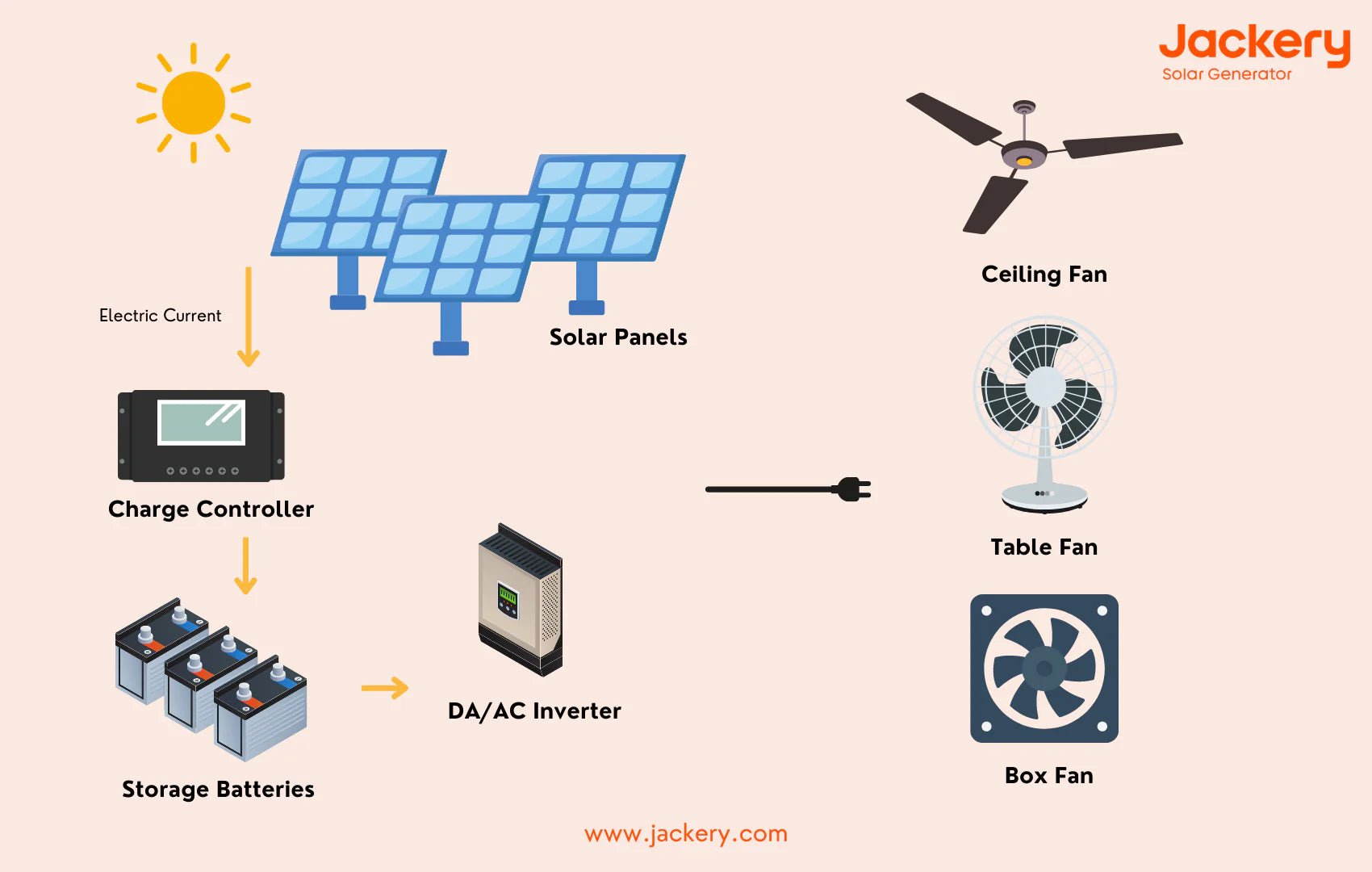
Gather solar panels, a charge controller, batteries, and an inverter. Connect panels to the controller. Link the controller to batteries and inverter. Ensure connections are secure. Test your setup to verify functionality. Use quality materials to ensure efficiency and safety.
Follow manufacturer instructions for each component.
Conclusion
Switching from a gas generator to solar is smart and eco-friendly. Solar power saves money and reduces pollution. The conversion might seem challenging, but it’s worth the effort. With solar, you enjoy clean energy and lower bills. Start with a plan and gather the right tools.
DIY or seek professional help if needed. Embrace renewable energy and contribute to a healthier planet. Your home will benefit from this sustainable change. Feel good about reducing your carbon footprint. Enjoy reliable power and peace of mind with solar energy.