
Are you curious about maximizing the potential of your solar power system? Understanding how to determine the maximum solar generation from your setup is crucial for optimizing your energy production and reducing your electricity bills.
Imagine harnessing the full power of the sun, making every ray count towards powering your home efficiently. We’ll guide you through simple, effective steps to calculate the peak performance of your solar system. Uncover the secrets to unlocking more energy, saving more money, and making the most of your investment in renewable energy.
Ready to transform the way you generate power? Let’s dive in!
Understanding Solar Power Basics
A solar system includes several important components. Solar panels are the first part. They collect sunlight and turn it into energy. Next, there’s the inverter. It changes the energy from the panels into usable power. Batteries store extra energy for later use. The mounting system holds the panels on roofs or other places. Monitoring devices track how much energy you make.
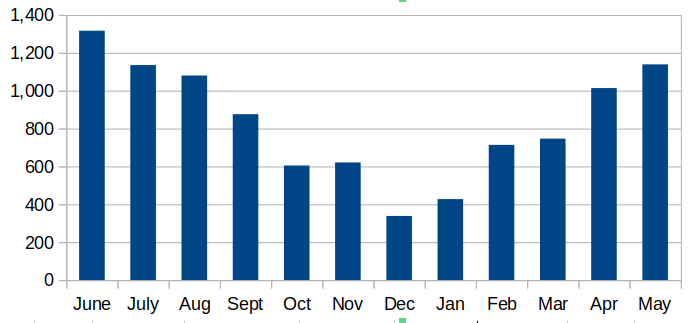
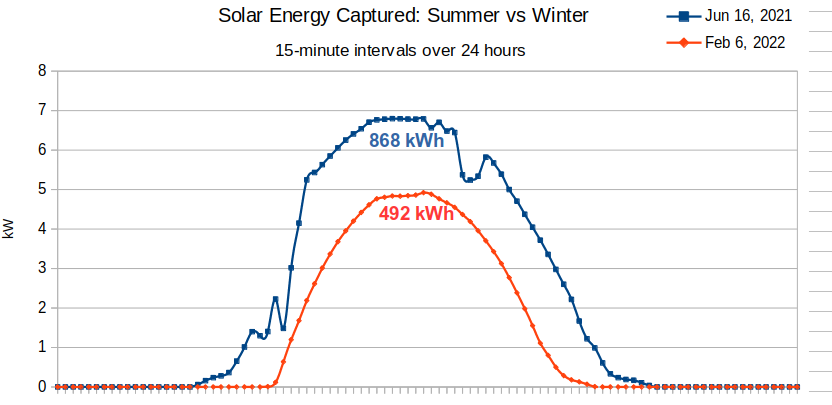
Many factors affect solar energy production. Sunlight hoursare crucial. More sunlight means more energy. Panel angle matters too. Panels should face the sun well. Weather also plays a role. Cloudy days may produce less energy. Panel efficiency is important. Better panels make more energy. Finally, location is key. Areas with more sun make more power.
Assessing Site Conditions
Check how much sunlight your area gets daily. Sunlight exposure is key for solar panels. Trees or buildings can block sunlight. Ensure panels face the sun directly. This helps them work best.
Weather affects solar power. Cloudy days reduce solar energy. Check if your area has many cloudy or rainy days. Less sunshine means less power. Sunny places generate more solar energy.
Your location affects solar output. Closer to the equator means more sun. Higher latitudes have shorter days in winter. Mountains may cause shadows. Consider these factors for better solar generation.
Choosing The Right Equipment
Solar panels come in different types. The most common are monocrystallineand polycrystalline. Monocrystalline panels are efficient. They are made from a single silicon crystal. Polycrystalline panels are less expensive. They are made from many silicon fragments. Both types have their own advantages. It’s important to choose the right type for your needs.
Inverters are essential for solar systems. They convert solar energyinto usable electricity. This electricity powers homes and devices. There are different types of inverters. Some are more efficient than others. Choosing the right inverter is crucial. It ensures you get the most from your solar system.
Battery storage is important for solar systems. It stores energy for later use. This is helpful at night or on cloudy days. Batteries can save extra energy produced. This means less reliance on the grid. Consider battery capacity when choosing a system. A good battery setup can enhance energy independence.
Calculating Maximum Output
Solar panel efficiency is important to know. It tells how well panels turn sunlight into power. Most panels have 15% to 20% efficiency. Higher efficiency means more energy from the same sunlight. To find efficiency, check the manufacturer’s label. It shows the percentage of efficiency. Always choose panels with higher efficiency for better results.
Peak sun hours help find out solar energy. It means the hours when sunlight is strong. Usually, there are 4 to 6 peak hours daily. To calculate, check your location’s sun map. It shows average sun hours. More peak hours mean more energy. Use this to plan your solar system.
Solar calculators are useful tools. They help estimate energy production. Enter your location and panel details. The calculator shows potential energy output. It makes planning easy and simple. Use online solar calculators for accurate results. They help find the best solar system size.
Optimizing Solar Performance
Solar panels need regular cleaning. Dust and dirt block sunlight. This reduces energy output. Inspect panels for damage. Fix cracks or breaks quickly. Check wiring and connections often. Loose wires can stop energy flow. Keep panels free from shade. Trees and buildings can block light.
Monitor energy production daily. Use a solar monitoring app. Track changes and spot problems early. Check inverter efficiency. An inverter changes solar power to usable energy. If it fails, energy production drops. Keep an eye on energy bills. Sudden increases may indicate issues. Report any drops in performance.
Old components may slow down energy production. Upgrade to newer panels. New technology captures more sunlight. Consider a high-efficiency inverter. It converts more power. Add a battery storage system. Store energy for later use. Reduce waste and increase savings.
Credit: joshuatauberer.medium.com
Regulatory And Financial Considerations
Understanding regulatory and financial aspects helps in determining max solar generation. Analyze local policies and incentives to optimize solar system efficiency. Consider costs and benefits for informed decisions.
Understanding Local Regulations
Knowing local rules is very important. Different places have different laws. Permits are often needed. Building codes might restrict where panels can go. This can affect solar panel placement. Always check with local authorities first. It prevents future problems. It also ensures safe and legal installations.Exploring Incentives And Rebates
Many places offer incentives for solar systems. Rebates help lower costs. Some governments provide tax credits. This makes solar more affordable. Local programs can offer discounts too. It’s important to research these options. They can save a lot of money.Financing Options For Solar Systems
Buying solar panels can be expensive. Financing helps spread the cost. Loans are a common choice. Some companies offer solar leases. This means renting the solar system. There are also power purchase agreements. These reduce upfront costs. Choosing the right option is important for savings. `Expert Insights And Recommendations
Many people overestimate the solar panel capacity. Panels need direct sunlight to work best. Shadows from trees or buildings reduce energy output. Keep panels clean for maximum efficiency. Dust or dirt can block sunlight. Check your system regularly for any faults. Faulty wiring can cause poor performance. Always consult a professional for installations.
- Position panels south for optimal sunlight exposure.
- Use quality materials for better durability.
- Regular maintenance ensures a long-lasting system.
- Monitor energy output for any changes.
- Upgrade older systems for improved efficiency.
Solar panels are getting thinner and more efficient. Battery storage is improving for better energy use. Smart technology helps manage solar systems. Research is ongoing for new solar materials. The solar industry is growing fast. More homes will use solar energy soon.
Credit: joshuatauberer.medium.com

Credit: www.sevensensor.com
Frequently Asked Questions
How Do You Calculate Solar Power Generation?
Calculate solar power generation by multiplying solar panel wattage by sunlight hours and efficiency rate. Use tools like PVWatts for precise estimation. Adjust for location, panel angle, and weather conditions to enhance accuracy. Regularly monitor system performance for optimal results.
How To Get The Maximum Output From Solar Panels?
Position solar panels to face true south for maximum sunlight. Keep panels clean and free from obstructions. Use a solar tracker to adjust panel angles with the sun. Ensure optimal tilt based on geographical location. Regularly inspect for damage and maintain the system efficiently.
What Is The 20% Rule For Solar Panels?
The 20% rule for solar panels suggests installing panels to generate 20% more energy than needed. This accounts for energy loss due to inefficiencies and environmental factors, ensuring adequate energy supply. Planning for this surplus helps maintain a stable and efficient solar energy system.
How To Calculate Maximum Power From Solar Panel?
To calculate maximum power from a solar panel, multiply the panel’s voltage by its current at peak sunlight. Check the manufacturer’s specifications for optimal values and ensure ideal conditions for accurate results. Regular maintenance and positioning can enhance efficiency and maximize power output.
Conclusion
Maximizing solar generation requires understanding key system components. Start with panel efficiency. Consider your geographic location and weather patterns. Monitor your system’s performance regularly. Adjust and optimize settings as needed. Look for professional guidance if unsure. Use technology to track solar output.
This helps in making informed decisions. Stay updated with industry advancements. These can impact system efficiency. Remember, a well-maintained system ensures optimal performance. It also enhances your energy savings. Investing time in this can lead to long-term benefits. You can make the most of your solar investment.