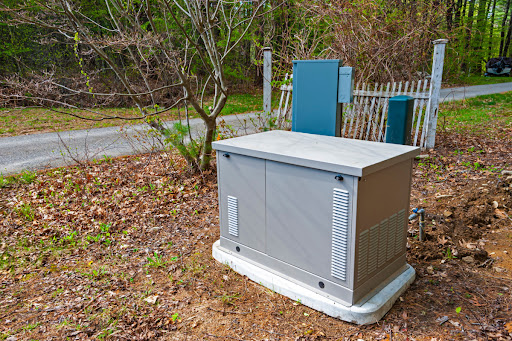
When the lights go out, your standby generator becomes your lifeline. But have you ever wondered if it’s ready to power through the storm?
Understanding your generator’s fuel needs is crucial. Imagine the peace of mind knowing you’ll have enough fuel to keep your home running smoothly during unexpected outages. You don’t want to be caught off guard with an empty tank, especially when comfort and safety are on the line.
By figuring out the right fuel requirements, you ensure your generator is always prepared to perform at its best. Dive in to discover how you can accurately determine the fuel needs for your standby generator and keep the power flowing when you need it most.
Assessing Power Requirements
Find the wattage of each appliance in your home. Look for labels that show their power use. Add them to get the total watts needed. Remember, some appliances need more power to start. This is called starting wattage. Check if your generator can handle this extra load.
Choose the most important appliances first. These are critical appliances. Examples include fridges, lights, and heaters. List them and note their wattage. Keep your family safe and comfortable. Prioritize what you truly need during power cuts.
Appliances have different load types. Some use constant power, like lights. Others need more power at the start. These are inductive loads. Examples are refrigerators and air conditioners. Know these types to choose the right generator.

Credit: www.lakelandgenerator.com
Fuel Types For Standby Generators
Diesel generatorsare very strong and last a long time. They use less fuel than gasoline generators. Gasoline generatorsare cheaper and easier to find. But, they need more fuel and don’t last as long. Diesel is safer because it doesn’t catch fire easily. Gasoline can be dangerous if not stored right. Choose based on your needs and safety.
Natural gas is very clean. It doesn’t make much smoke. It’s also easy to get if you have a gas line. You don’t have to store it like other fuels. This makes it a good choice for homes. But, if the gas line is broken, you can’t use it. So, it depends on the gas supply in your area.
Propane is a clean and safe fuel. It can be stored in tanks for a long time. This makes it a good backup option. You can use it in many places. But, you need to keep enough propane tanks. If you run out, it’s hard to refill quickly. It’s good if you plan well and store enough fuel.
Estimating Fuel Consumption
Generators use fuel to create power. Efficiency means using less fuel for more power. A high-efficiency generator saves fuel. It is important to check the generator’s efficiency rating. This helps in planning fuel needs.
Most generators have a fuel usage chart. This chart shows average fuel usage per hour. Knowing this helps in predicting how much fuel is needed. A small generator uses less fuel. A big one uses more. Always calculate based on your generator’s size and type.
Load variations affect fuel consumption. A generator uses more fuel with more load. Less load means less fuel. It’s important to track the load changes. This helps in adjusting fuel supply. Monitoring load can save fuel and money.

Credit: woodstockpower.com
Storage And Safety Measures
Store fuel in approved containers. Keep them in a cool and dryplace. Avoid direct sunlight. Labelcontainers clearly. Check fuel for contamination. Rotate stored fuel regularly.
Keep fuel away from flames. Do not smoke near fuel storage. Use fuel only in well-ventilated areas. Wear protective gear. Follow safety instructions. Ensure fire extinguishers are nearby. Keep children away from fuel.
Avoid storing fuel near water sources. Prevent leaks and spills. Clean spills immediately. Use spill-proof containers. Monitor temperature changes. Protect fuel from extreme weather. Dispose of old fuel properly.
Planning For Extended Outages
Understanding fuel needs for standby generators ensures readiness during extended outages. Calculate generator size, fuel type, and usage rate. Evaluate storage capacity and refueling logistics to maintain continuous power supply.
Calculating Reserve Needs
Calculate how much fuel you need for long outages. Check your generator’s fuel consumption rate. Multiply the rate by hours you need power. Always add extra for safety. This helps if outages last longer.
Fuel Delivery Options
Choose the best fuel delivery option for your needs. Some companies offer regular deliveries. Others provide emergency services. Regular deliveries keep fuel levels steady. Emergency delivery is useful in sudden outages.
Emergency Preparedness
Being prepared for emergencies is very important. Store extra fuel safely. Use containers that are strong and sealed. Check fuel levels regularly. Train family or staff on generator use. Make sure everyone knows what to do.
Cost Analysis
Estimating fuel needs for a standby generator involves checking power requirements and generator efficiency. Calculate fuel consumption by multiplying the generator’s fuel rate by hours of expected operation. Consider fuel type and storage capacity for accurate planning.
Comparing Fuel Costs
Choosing the right fuel saves money. Natural gas is often cheaper. Diesel is more reliable but costs more. Propane is clean but can be expensive. Compare options carefully. Calculate the cost per kilowatt-hour. This helps to find the best choice.
Long-term Financial Implications
Fuel costs affect budget over time. Gas prices can rise. Diesel may need storage. Propane tanks require regular checks. Consider these factors now. Plan for future price changes. Long-term savings depend on smart decisions today.
Budgeting For Maintenance
- Generators need regular checks.
- Fuel filters must stay clean.
- Oil changes keep engines running.
- Set aside money for repairs.
- Budgeting prevents surprises.
- Track all costs carefully.
Expert Tips And Best Practices
Understanding your power usage is key to determining fuel needs for a standby generator. Calculate wattage requirements and estimate runtime to ensure sufficient fuel supply. Regular maintenance and monitoring can prevent unexpected shortages, keeping your generator ready in emergencies.
Regular Maintenance Scheduling
Generators need regular check-ups to stay healthy. Create a simple schedule. Follow it to ensure everything runs smoothly. Change the oil when needed. Clean the filters regularly. Inspect wires and connections often. Keep the generator clean and dry. This prevents rust and damage.
Monitoring Fuel Levels
Fuel levels must be checked often. Too little fuel can cause problems. Use a fuel gauge if available. Keep track of fuel usage. Write it down in a notebook. Know how much fuel is left. Plan ahead to avoid running out.
Consulting With Professionals
Professionals know best about generators. Ask them for advice. They can help with tricky issues. Sometimes, they spot problems early. It’s wise to have their contact info handy. Trust their experience and skills. They can guide you well.

Credit: www.depco.com
Frequently Asked Questions
How Long Does A 500 Gallon Propane Tank Last For A Generac Generator?
A 500-gallon propane tank can power a Generac generator for approximately 7 to 10 days. This estimate depends on generator size and load. Larger loads consume more fuel, reducing runtime. Regular maintenance ensures efficiency. Always consult your generator’s manual for specific fuel consumption rates.
What Size Gas Line Do I Need For A 22kw Generac Generator?
A 22kW Generac generator typically requires a 1-inch gas line. Always consult the generator’s manual and local codes for specific requirements. Consider factors like gas type, distance, and fittings for accurate sizing. Proper installation ensures efficient operation and safety.
How Many Watt Generator Do I Need For A 2000 Sq Ft House?
A 2000 sq ft house typically needs a 5000 to 7000-watt generator. This covers essential appliances and lighting. Check your specific power needs for precise requirements. Always consider future upgrades or expansions when choosing a generator.
How Long Will 5 Gallons Of Gas Last In A Generac Generator?
A Generac generator can run approximately 8 to 12 hours on 5 gallons of gas, depending on load. Efficient usage extends runtime, so manage power consumption wisely. Regular maintenance ensures optimal performance and fuel efficiency. Check the manual for specific model details and adjust usage accordingly.
Conclusion
Understanding your generator’s fuel needs is essential. It ensures uninterrupted power during outages. Calculate your usage based on your appliances. This helps prevent running out of fuel. Regular checks keep your system reliable. Consider fuel storage options for emergencies. Balance efficiency with cost to manage expenses.
A well-planned fuel strategy saves money. It also maximizes generator performance. Stay informed about fuel prices and availability. This knowledge aids in budgeting effectively. Make informed decisions to keep power flowing. Your preparedness brings peace of mind.