Are you tired of power outages disrupting your life or business operations? A standby generator can be your savior during unexpected blackouts.
But before you make that investment, it’s crucial to determine the right size for your needs. Choose too small, and you might not power all your essential appliances. Go too large, and you could be wasting money unnecessarily. How do you strike that perfect balance?
In this guide, we’ll break down the simple steps to calculate the ideal generator size for you. By the end, you’ll feel confident and equipped to make an informed decision. Let’s dive in and ensure you’re never left in the dark again!
Assess Power Needs
Begin by listing all essential appliances that need power during an outage. Focus on items like refrigerators, microwaves, and medical equipment. Include HVAC systemssuch as heaters or air conditioners, as they use significant energy. Don’t forget to add lighting, since it keeps your home safe and functional.
Think about future needs too. You may add new appliances later or expand your home. Estimating these helps avoid buying a too-small generator. A generator with a bit more capacity gives room for extra devices. This prevents overload and keeps everything running smoothly.

Credit: nomicpower.com
Understand Generator Ratings
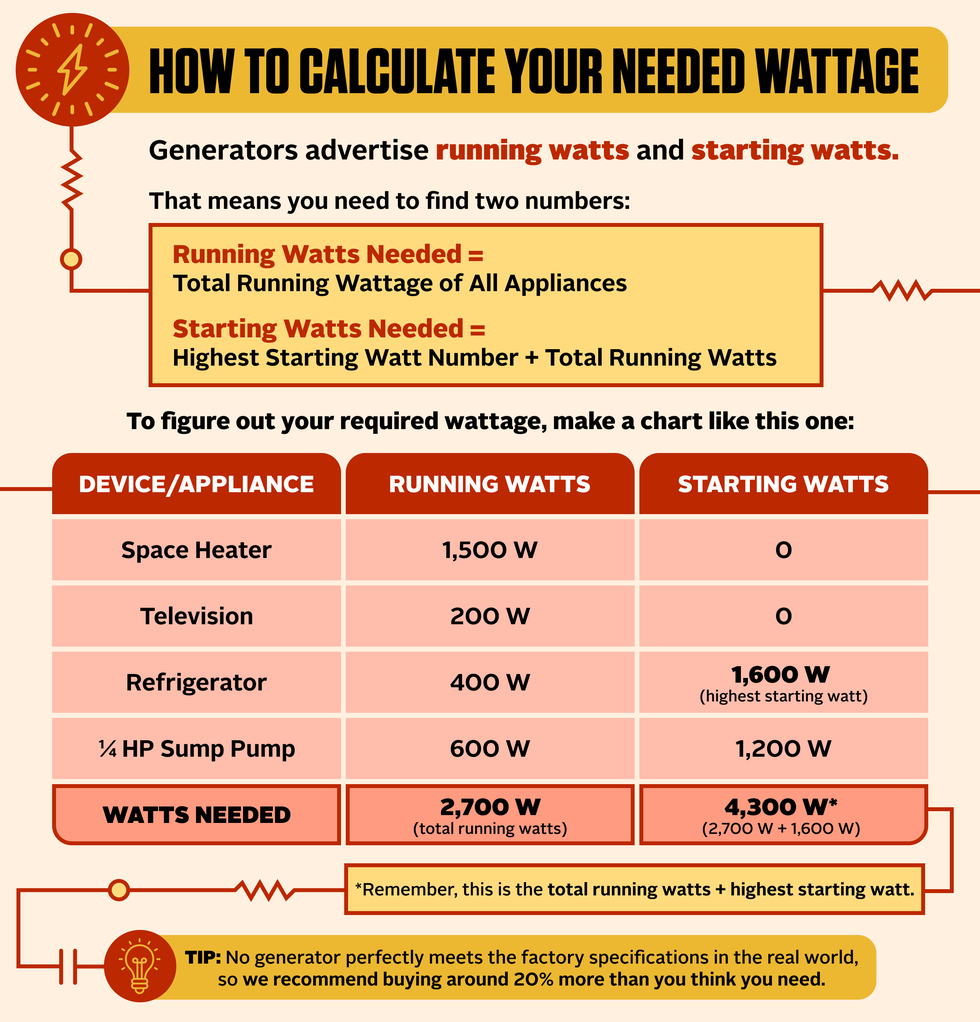
Rated poweris the continuous power a generator can provide safely. It runs for long periods without damage. Surge power(or starting power) is the extra energy needed to start motors or big machines. This power lasts only a few seconds.
Generators have two main power types:
- Continuous power:The energy a generator can provide nonstop. Used for long work.
- Standby power:The power available during outages. It supports your home or business temporarily.
Standby generators are usually rated by standby power. This rating is often higher than continuous power. Knowing these ratings helps pick the right size for your needs.
Choose Fuel Type
Natural gasis a popular choice for standby generators. It burns clean and is often cheaper than other fuels. It is easy to store since it comes through pipelines. Generators using natural gas run quietly and need less maintenance.
Propaneis stored in tanks and lasts long without spoiling. It burns cleaner than diesel and works well in cold weather. Dieselfuel is powerful and reliable for heavy use. It is easy to find but needs proper storage to avoid problems.
Choosing the right fuel depends on availability. Natural gas needs a gas line connection. Propane requires a storage tank on-site. Diesel must be refilled regularly. Think about what fuel is easiest for you to get and store safely.
Evaluate Installation Factors
Choosing the right locationfor your generator is important. Space might be limited, so measure the area carefully. Outdoor spots need good ventilation to avoid overheating.
Check local noise rules. Some places do not allow loud machines. Also, watch for emission limitsto keep the air clean.
The transfer switchmust match your generator. This switch moves power from the grid to the generator safely. Using the wrong switch can cause damage or hazards.
| Factor | Consideration |
|---|---|
| Location | Space availability and ventilation |
| Noise & Emissions | Local rules for sound and pollution |
| Transfer Switch | Compatibility with the generator model |
Consult Professional Advice
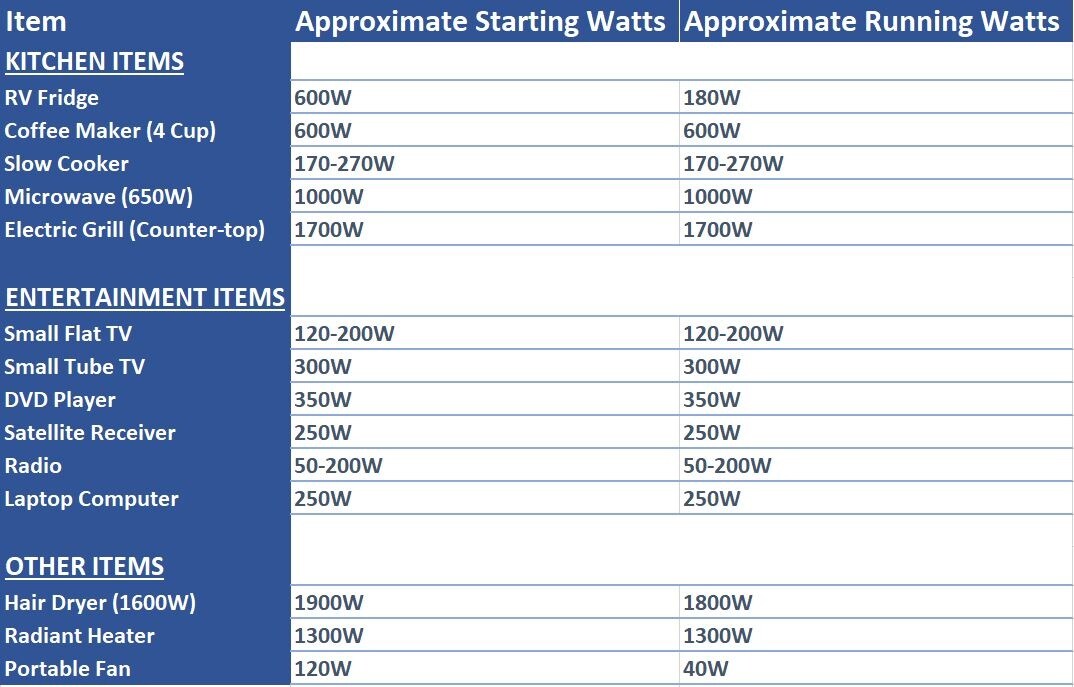
Electrical load assessmenthelps find the right generator size. List all devices you want to power. Check their power ratings and total them up. This shows how much electricity you need. It prevents buying a generator that is too small or too big.
Generator sizing calculatorsare easy tools online. Enter your total power needs and they suggest sizes. These tools save time and give quick results. Still, they are a guide, not a final answer.
Hiring certified installersensures safe and correct setup. Experts check your electrical system and recommend sizes. They know local rules and code requirements. This avoids future problems and keeps your home safe.
Credit: www.electricgeneratorsdirect.com
Maintain And Test Regularly
Regular maintenancekeeps your standby generator reliable and ready. Check the oil and air filters every month. Replace them if dirty. Keep the fuel tank full to avoid problems. Test the battery and charging system to ensure they work well.
Load testing is essentialfor performance checks. It simulates real power use and shows if the generator can handle the load. Perform tests every six months or after long periods of inactivity. This helps spot issues early.
- Check for strange noises or vibrations.
- Look for leaks in fuel or coolant lines.
- Inspect electrical connections for corrosion or looseness.
- Clear any dirt or debris around the unit.
Troubleshooting common issues saves time and money. If the generator won’t start, check the fuel supply and battery charge first. For power problems, review circuit breakers and fuses. Keep a log of all maintenance and tests to track patterns.

Credit: www.micksgonebush.com.au
Frequently Asked Questions
What Factors Determine The Size Of A Standby Generator?
The size depends on your total power needs, including essential appliances and equipment. Consider starting and running wattage for accuracy. Evaluate peak load and future expansion plans for better sizing.
How To Calculate Total Wattage For Generator Sizing?
List all appliances you want to power during an outage. Add their starting and running wattage to find the total load. Use this sum to select a generator that meets or exceeds this value.
Can A Generator Be Too Large Or Too Small?
Yes, an oversized generator wastes fuel and costs more. An undersized one cannot power your essential devices properly. Choose a generator that matches your power requirements closely for efficiency.
Why Is Surge Wattage Important In Generator Sizing?
Surge wattage accounts for the extra power needed to start motors and compressors. It is often higher than running wattage. Including surge wattage ensures your generator can handle initial power spikes safely.
Conclusion
Choosing the right standby generator size protects your home and family. Start by listing essential appliances and their power needs. Add a little extra for safety and future use. A properly sized generator runs smoothly and saves fuel. Avoid buying too big or too small units.
Take your time and measure carefully. This helps you stay prepared during power outages. A good choice brings peace of mind and comfort. Ready to keep your home running no matter what?