When the power goes out, having a standby generator can keep your home running smoothly. But how do you know which size is right for you?
Choosing the wrong size can mean wasted money or not enough power when you need it most. You’ll learn simple steps to figure out exactly what size standby generator you need. By the end, you’ll feel confident in making the best choice to protect your home and keep your life uninterrupted.
Let’s get started!
Assessing Power Needs
Start by listing all essential appliancesyou want to power during an outage. This can include the refrigerator, lights, heating system, and medical devices.
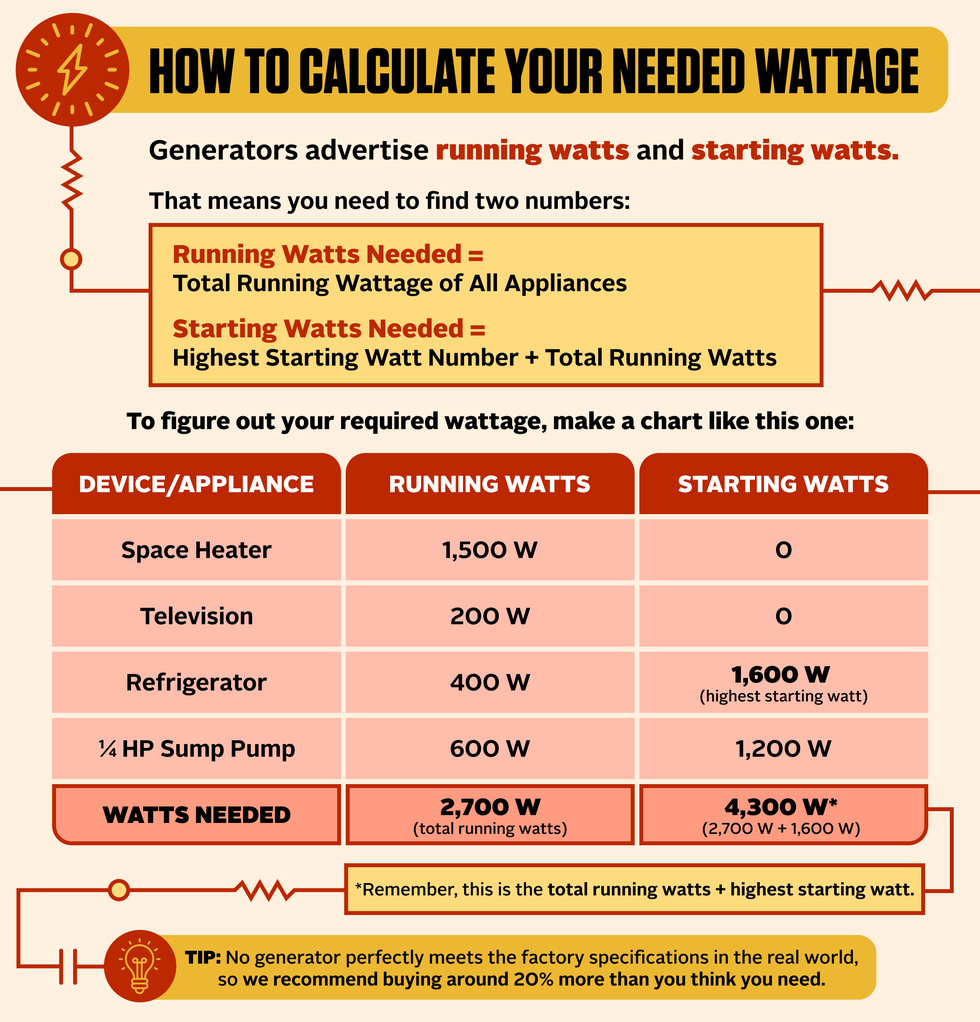
Next, calculate the total wattageneeded. Check each appliance’s label for its wattage. Add these numbers to find the total running watts.
Remember, some devices need more power to start than to run. This is called starting wattsor surge watts. For example, refrigerators and pumps use more power to start.
| Appliance | Running Watts | Starting Watts |
|---|---|---|
| Refrigerator | 700 | 2200 |
| Air Conditioner | 3500 | 5000 |
| Lights | 300 | 300 |
Choose a generator that can handle the highest starting wattageplus the total running watts. This ensures the generator can power all devices safely.

Credit: www.micksgonebush.com.au
Choosing Generator Types
Portable generatorsare easy to move and cheaper. They work well for short power outages or outdoor use. But, they need manual setup and refueling.
Standby generatorsstart automatically during power cuts. They power your entire home or business. These are more expensive but offer reliable and continuous power.
| Fuel Type | Availability | Notes |
|---|---|---|
| Gasoline | Easy to find | Good for portable units, but stores poorly |
| Natural Gas | Connected to home line | Clean, no refueling needed for standby |
| Propane | Requires tank refills | Burns cleaner than gasoline |
| Diesel | Available at many stations | Good for heavy-duty standby generators |
Evaluating Load Requirements
Single-phase loads are common in homes and small buildings. They use one live wire and a neutral wire. Three-phase loads are typical in larger buildings and factories. They use three live wires, offering more power and efficiency.
Standby generators must match the type of load for proper operation. A single-phase generator cannot power three-phase equipment correctly. Knowing your building’s load type helps choose the right generator size.
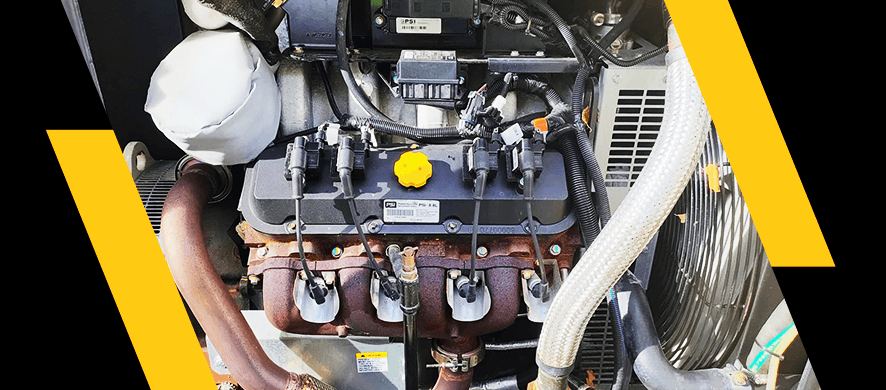
Surge loads happen when equipment starts up. Motors and compressors often need extra power briefly. This surge can be 2 to 3 times the normal running load.
Standby generators must handle these surge loads without shutting down. Choose a generator with enough surge capacity to cover these brief spikes.
Credit: woodstockpower.com
Sizing For Future Expansion
Planning for extra appliances helps avoid buying a generator that is too small. Think about any new devices or tools you might add later. This could include air conditioners, heaters, or kitchen gadgets.
Leaving a capacity bufferensures your generator can handle unexpected power needs. A buffer of about 10-20% above your total wattage is a good rule. This space lets you run appliances without overloading the generator.
- Estimate current appliance power needs
- Add power for future appliances
- Include 10-20% extra capacity as a buffer
- Choose a generator size based on this total
Consulting Professional Resources
Manufacturer guidelinesprovide useful details for choosing the right generator size. These guidelines list power needs for common appliances. Study the wattage ratings for each device you want to run. Add them to find your total power demand. This helps to avoid buying a generator that is too small or too large.
Licensed electricianshave the skills to assess your home’s power needs accurately. They check your electrical panel and circuits to understand the load. Electricians can recommend a generator size that fits your situation perfectly. Their advice ensures safety and compliance with local codes.
- Manufacturers offer charts and manuals for power requirements.
- Electricians measure and calculate actual power consumption.
- Both resources help prevent costly errors in generator choice.
Installation Considerations
Placementof the standby generator is very important. It should be installed on a flat, stable surface. Leave enough spacearound the unit for air flow and maintenance access. Avoid placing it near windows or doors to reduce noise inside the house. Also, keep it away from flammable materials. A covered area can protect the generator from weather but must allow ventilation.
Local codesand permitsmust be checked before installation. Many places require a permit to install a generator. Rules may include where you can place the unit and how it should be connected to your home. Contact local authorities or a professional installer to ensure you follow all laws. This helps avoid fines and keeps the installation safe.
Maintenance And Operation Tips
Check oil and coolant levels before every use. Clean or replace air filters regularly to keep the engine running smoothly. Inspect spark plugs and wires to avoid starting problems. Run your generator under load for about 30 minutes each month. This helps keep parts lubricated and ready for use.
Store fuel in a cool, dry place to prevent damage. Use fresh fuel to avoid clogging the system. Tighten loose bolts and screws to prevent vibrations and damage. Always follow the manufacturer’s service schedule for best results.
Keep the generator covered but well-ventilated to protect from dust and rain. Regular cleaning prevents dirt build-up that can cause overheating. Check battery condition often if your generator has one.

Credit: nomicpower.com
Frequently Asked Questions
How Do I Calculate My Generator Size Requirements?
Calculate your generator size by totaling wattage of essential appliances. Include starting watts for motors. This ensures the generator handles peak load without overloading or underpowering your home.
What Appliances Should I Power During An Outage?
Prioritize critical appliances like refrigerator, furnace, lights, and medical devices. Avoid non-essential items to reduce generator size needs. This focus improves efficiency and cost-effectiveness.
Can A Standby Generator Power My Entire Home?
Yes, if sized correctly. A whole-home generator covers all electrical loads. However, it requires professional assessment and higher investment compared to partial backup systems.
How Do Starting Watts Affect Generator Size?
Starting watts are higher power needed to start motors. Include starting watts of appliances like AC or refrigerator in calculations. Ignoring them may cause generator overload and failure.
Conclusion
Choosing the right standby generator size ensures reliable power. Start by listing essential appliances. Check their power needs. Add them up to find your total watts. Consider future needs too. It’s wise to have a bit extra capacity. Consult professionals for guidance.
They offer valuable insights. Remember, the right generator keeps your home running smoothly. Stay prepared for any power outages. A well-sized generator is a smart investment. It brings peace of mind. Keep your home safe and comfortable. Plan well, and you’ll choose the perfect generator size.