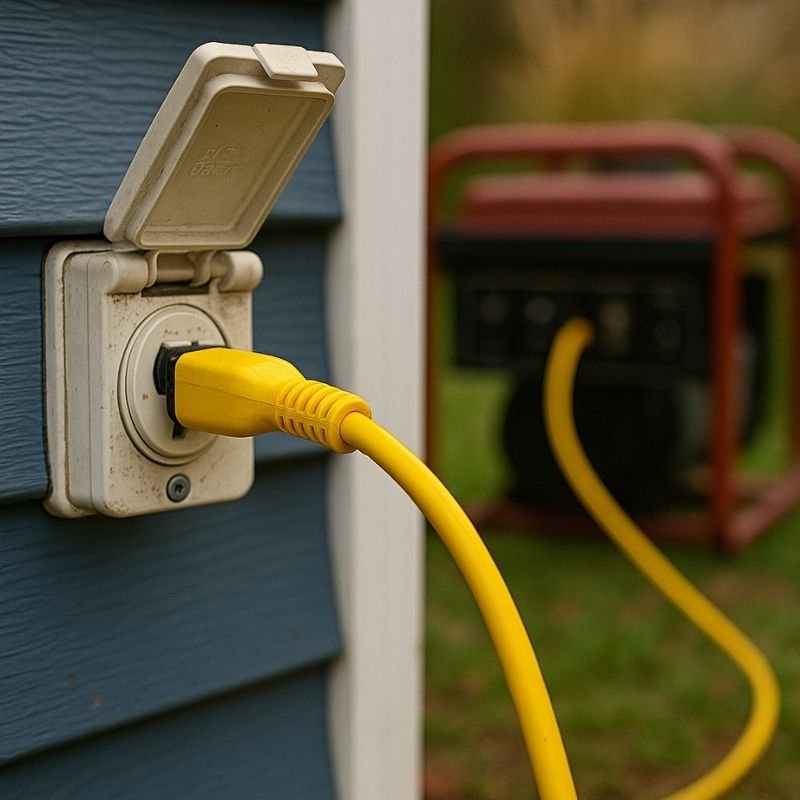
Imagine this: a sudden power outage plunges your home into darkness. You reach for your trusty generator, a beacon of light and power amidst the chaos.
But wait—do you know how to extend its power safely? You’re not alone if you’ve ever wondered about this. Many people rely on generators during emergencies but may not fully understand how to maximize their efficiency without compromising safety. In this guide, you’ll uncover essential tips to safely extend your generator’s power, ensuring your home remains a sanctuary of light and comfort.
From understanding the key safety measures to learning how to optimize fuel usage, this article will equip you with the knowledge to keep your generator running smoothly. Stay with us, and you’ll never have to worry about your generator letting you down when you need it most.
Assessing Your Generator’s Capacity
Start by listing all devices you want to power. Write down each device’s wattage.
Sum all wattages to find total power need. Add 20% extra for safety. This helps avoid overload.
Check the generator’s label or manual for its wattage limit. Do not exceed this limit.
| Item | Wattage (W) |
|---|---|
| Refrigerator | 700 |
| Lights | 300 |
| Fan | 100 |
| Total Wattage | 1100 |
Use the total wattage to pick the right generator. Never use a generator with less power.
Check the generator’s circuit breaker rating. It should match or exceed your power needs.
Always leave some room for future devices or power surges.

Credit: www.amazon.com
Choosing The Right Extension Cords
Choosing the right extension cordis key for safe generator use. The cord gaugeshows the wire thickness. Thicker wires carry more power safely. The longer the cord, the thicker the wire should be. Thin cords over long distances cause voltage drop and can be a fire risk.
Look for cords with weatherproof insulation. This protects against rain, snow, and dirt. Safety features like grounded plugsand heavy-duty connectorsreduce shock risk. Avoid cheap cords that may overheat.
| Feature | Recommendation |
|---|---|
| Cord Gauge | Use 12 or 10 gauge for long cords |
| Length | Keep cords as short as possible |
| Insulation | Choose weatherproof, heavy-duty insulation |
| Safety | Ensure grounded plugs and connectors |
Using Transfer Switches
Transfer switchessafely connect a generator to your home’s power. They stop power from flowing back to the grid, which can be dangerous for workers. Two common types exist:
- Manual transfer switches:Require you to switch power sources yourself.
- Automatic transfer switches:Switch power sources on their own during outages.
Proper installation is key. Always hire a licensed electrician to install the switch. It must be wired to your home’s main electrical panel. Ensure the switch matches your generator’s power output. Use heavy-duty wiring and follow local codes. Test the switch regularly to confirm it works well.
Implementing Load Management
Prioritizing applianceshelps manage power load safely. Use power on essential devices first. Examples include refrigerators, lights, and medical equipment. Avoid running many high-power appliances at once. This reduces the risk of tripping the generator.
Avoiding overloadsprotects the generator from damage. Check the generator’s wattage rating. Never exceed this limit by combining appliance power use. Overloading causes the generator to stop or fail. Use a power meter to track usage.
- Turn off non-essential devices during peak use.
- Use energy-efficient appliances to lower power needs.
- Distribute power evenly among devices.
- Consider using a transfer switch for safe power routing.
Proper Wiring And Connections
Use thick, insulated wiresto handle the generator’s power load safely. Loose or thin wires cause overheatingand fires. Always connect wires firmlyto prevent sparks.
Double-check all connections for tightnessand security. Use wire connectorsor terminal blocksto keep wires stable and avoid accidental disconnection.
- Keep wires shortto reduce resistance.
- Use proper groundingto prevent shocks.
- Avoid running wires near heat sources.
| Cause | Effect | Solution |
|---|---|---|
| Long wire length | Voltage drop | Use thicker wires |
| Loose connections | Sparks and heat | Tighten connections |
| Low-quality connectors | Power loss | Use certified connectors |
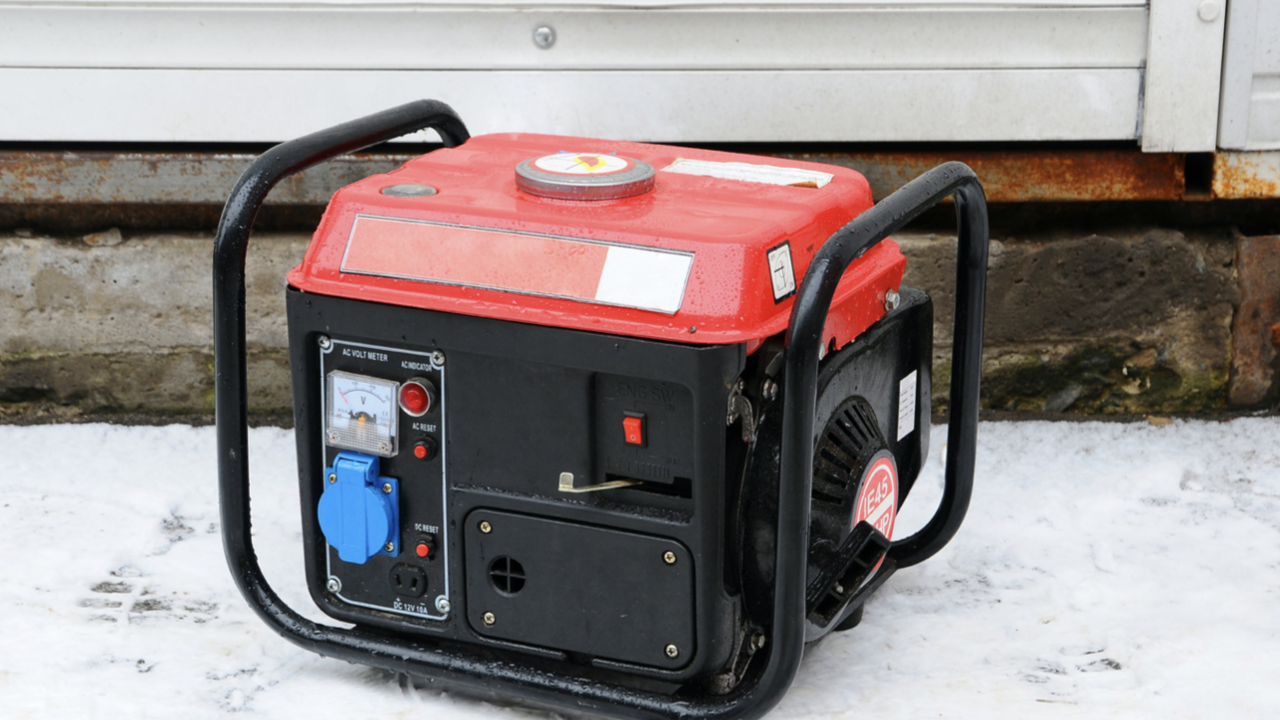
Credit: extension.msstate.edu
Maintaining Generator Safety
Extending generator power safely requires regular checks and proper ventilation. Avoid overloading and keep fuel stored away from heat sources. Simple care helps prevent accidents and keeps your generator running longer.
Ventilation And Placement
Place the generator outside in a dry, open area. Avoid enclosed spaces to stop deadly carbon monoxide buildup. Keep the generator at least 20 feet from windows, doors, and vents. Use a cover that allows air flow but keeps rain off. Never run a generator indoors or in a garage, even if doors are open.
Regular Maintenance Checks
- Check oil levels before each use to keep the engine safe.
- Clean or replace air filters regularly to avoid clogs.
- Inspect spark plugs for wear; replace if dirty or damaged.
- Look for fuel leaks and fix them immediately.
- Run the generator monthly to keep parts working well.
Adding Parallel Capability
Using parallel kitslets two generators work together. This doubles the powersafely without overloading one unit. Kits connect generators with special cables and controls.
Benefits include:
- Increased power outputfor bigger needs
- Easy to set up with compatible models
- Flexibility to run one or both generators
- Better fuel efficiency than one large generator
Take precautions:
- Use only kits made for your generator model
- Check all connections and cablesbefore use
- Never exceed the maximum combined wattage
- Follow the manufacturer’s instructionsclosely

Credit: www.amazon.com
Frequently Asked Questions
How Can I Safely Extend Generator Power Output?
Use a heavy-duty extension cord rated for your generator’s power. Avoid overloading circuits and keep cords dry and away from traffic.
What Precautions Prevent Generator Overload During Power Extension?
Calculate total power needs and never exceed your generator’s capacity. Use surge protectors and avoid running multiple high-wattage devices simultaneously.
Can I Connect A Generator Directly To My Home Wiring?
Only with a professionally installed transfer switch. Never connect directly to avoid dangerous backfeed and electrical hazards.
How Do I Choose The Right Extension Cord For Generators?
Select cords with adequate gauge for your generator’s wattage. Outdoor-rated, grounded cords reduce risk of overheating and electrical faults.
Conclusion
Extending generator power needs care and clear planning. Always follow safety rules to avoid accidents. Use the right tools and check connections often. Never overload the generator beyond its limit. Keep fuel and oil levels in good shape. Regular maintenance helps the generator last longer.
Stay alert and prepared during power use. With these steps, you can power up safely and confidently. Stay safe and keep your power steady.