
Are you tired of unexpected power outages disrupting your daily life? Imagine a reliable solution that keeps your home running smoothly, no matter what.
An LP standby generator could be your best ally in maintaining your peace of mind. But to ensure it operates efficiently, you need to know how to fill it correctly. You’ll discover the simple steps to fill an LP standby generator safely and effectively.
We’ll walk you through each step with clarity, helping you avoid common mistakes and ensuring your generator is always ready to power up when you need it most. Ready to take control of your power needs? Let’s dive in and empower you with the knowledge to keep your home bright and secure.
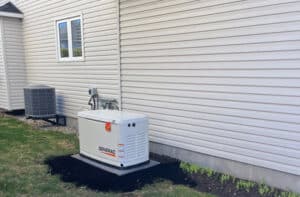
Credit: powersservicing.ca
Preparing For Filling
Gather all necessary tools before starting. This includes a fuel gauge, wrench, gloves, and safety glasses. Have a proper container for any spills. Use only LP gasmade for standby generators. Check the label to confirm the gas type and purity. Avoid mixing different gases, as this can harm the generator.
Make sure the area has good ventilation. LP gas can be dangerous if it builds up in a closed space. Open windows and doors or work outdoors if possible. Never fill the tank in an enclosed area to avoid gas fumes.
Safety Precautions
Wearing protective gearis essential to keep safe. Use gloves to protect your hands from fuel. Wear safety glasses to shield your eyes from splashes. Long sleeves can prevent skin contact with fuel or oil.
Checking for leaksmeans looking closely at fuel lines and connections. Leaks can cause fire or injury. Use a cloth to wipe areas and watch for wet spots. Fix any leaks before filling the generator.
- Avoid open flamesnear the generator and fuel. Flames can ignite fuel vapors quickly.
- Do not smoke or use spark-producing tools nearby.
- Fill the generator outdoors or in a well-ventilated area to reduce fire risk.
Step-by-step Filling Process
Before filling the tank, ensure the generator is completely off. This prevents accidents and fuel leaks. Confirm that no sparks or flames are nearby to keep safety first.
Attach the hose to the LP tank securely. A tight connection stops fuel from spilling. Check the hose and fittings for any cracks or damage before connecting.
Fill the tank slowlyto avoid overpressure and spills. Pouring fuel at a steady pace allows the tank to adjust safely. Stop if you feel resistance or hear unusual noises.
Keep an eye on the pressure levelswhile filling. Use the gauge to monitor changes. Stop filling once the recommended pressure is reached to prevent damage.

Credit: www.aeheatingandcooling.com
After Filling Procedures
Turn off the generator and all connected devices before disconnecting. Use gloves to avoid cold burns from the LP gas valve. Slowly close the gas valve to stop the fuel flow. Detach hoses carefully to prevent gas leaks. Store hoses in a dry, safe place.
Check all connections once more for any signs of leaks. Use a soap and water mix to spot bubbles at joints. Bubbles mean gas is escaping and need tightening. Never use open flames to check for leaks. Safety first.
| Storing Leftover LP Gas | Tips |
|---|---|
| Keep containers upright | Prevents spills and gas leaks |
| Store in a cool, dry place | Avoid heat and sunlight |
| Keep away from flames | Reduce fire risk |
| Label containers clearly | Know contents at a glance |
Maintaining Your Lp Standby Generator
Check the generator for leaks, cracks, or damage regularly. Clean dirt and debris around the unit to keep it working well. Tighten loose bolts and parts to avoid problems. Test the battery and fuel lines often.
Keep track of the fuel level and refill before it gets too low. Use fresh, clean liquid propane to avoid engine issues. Store fuel tanks safely and away from heat or sparks.
| Service Task | How Often | Notes |
|---|---|---|
| Oil Change | Every 6 months | Use the correct oil type for your generator |
| Professional Check | Annually | Have a certified technician inspect the system |
| Fuel System Inspection | Every 3 months | Check for leaks and blockages |

Credit: www.angi.com
Frequently Asked Questions
How Do I Safely Fill An Lp Standby Generator?
Turn off the generator and allow it to cool. Use a proper fuel container and pour liquid propane slowly into the tank. Avoid overfilling and check for leaks before restarting the generator.
What Equipment Is Needed To Fill An Lp Standby Generator?
You need a propane tank, a fuel hose with a regulator, and safety gloves. Ensure all connections are secure to prevent leaks. Use a gas detector for added safety during filling.
How Often Should I Refill My Lp Standby Generator?
Refill the generator when the propane level drops below 20%. Regular checks help prevent running out during power outages. Frequency depends on generator usage and tank size.
Can I Fill My Lp Generator During Operation?
No, always turn off the generator before refilling. Filling while running risks fire, explosion, or injury. Wait until the generator cools down completely for safe refilling.
Conclusion
Filling an LP standby generator is simple with the right steps. Always check the fuel level before use. Use proper safety gear to avoid accidents. Keep the area well-ventilated while filling. Never overfill the tank to prevent leaks. Regularly inspect your generator for any issues.
Staying careful helps your generator work well. This keeps your home safe during power outages. Following these tips saves time and trouble. You can trust your generator when you need it most.