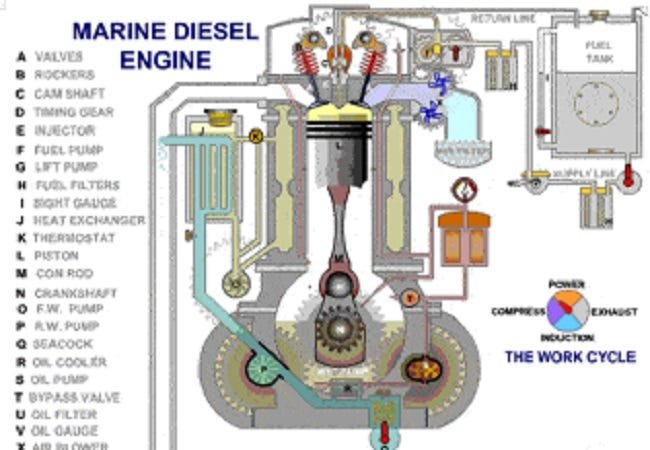
Is your marine diesel generator shaking more than it should? Vibration issues can be frustrating and even dangerous, affecting your equipment’s performance and lifespan.
You might feel unsure about what’s causing the problem or how to fix it. Don’t worry—this guide will walk you through simple, effective steps to identify and solve those vibrations. By the time you finish reading, you’ll have the confidence to keep your generator running smoothly and safely.
Let’s dive in and put an end to that annoying vibration once and for all.

Credit: ignitionmarine.com
Common Causes Of Vibration
Engine misalignmentcauses uneven forces on the generator. This leads to strong vibrations. It happens when the engine and generator shafts do not line up correctly. Small shifts can cause big problems.
Worn mounts and bearingslose their ability to hold parts tightly. This causes shaking and noise. Check mounts and bearings regularly for wear and tear.
Imbalanced componentsspin unevenly and create vibration. Parts like fans, rotors, or pulleys can get out of balance over time. Balancing them reduces vibration and wear.
Loose fastenersallow parts to move more than they should. Bolts and screws must be tight. Loose fasteners cause rattling and can damage the generator.

Credit: ignitionmarine.com
Tools And Equipment Needed
Vibration Analyzerhelps measure and find vibration levels in the generator. It shows where the problem is and how strong it is.
A Torque Wrenchis used to tighten bolts correctly. Too loose or too tight bolts can cause more vibration.
Dial Indicatormeasures small movements or misalignments in parts. It helps check if parts are not straight or even.
Balancing Toolsfix unbalanced parts. They help make the generator parts spin smoothly without shaking.
Diagnosing Vibration Problems
Start with a careful visual checkof the generator. Look for loose bolts, worn mounts, or damaged parts. Check belts and couplings for wear or cracks. Dirt or oil buildup can cause imbalance. Clean these areas to see if vibration lowers.
Use a vibration meterto measure levels. Take readings at different points on the generator. Note the frequency and strength of vibrations. Compare these with normal values to find if vibration is too high.
Finding the exact sourceof vibration is key. It may come from the engine, alternator, or foundation. Listen for unusual sounds near the vibration. Feel for movement while the machine runs. Isolate the part causing the problem to fix it effectively.
Fixing Alignment Issues
Checking shaft alignmentis key to stop generator vibration. Misaligned shafts cause wear and noise. Use feeler gauges or dial indicators to measure gaps. Look for any sideways or angular misalignment.
Adjusting engine positionhelps fix misalignment. Loosen engine mounts slightly. Move engine until shafts line up perfectly. Tighten mounts carefully to hold position.
Using laser alignment toolsoffers precise results. Lasers show exact shaft angles and distances. This tool reduces errors and saves time. It helps keep the generator running smooth and quiet.
Replacing Worn Parts
Check the mounts and bearingscarefully for any signs of wear or damage. Worn mounts can cause the generator to shake more than usual. Bearings that are damaged or dry can increase vibration. Use a flashlight to see hard spots. Replace any parts that look cracked or loose.
Select parts that match the original specifications. Using the wrong size or type can cause bigger problems. Choose high-quality components made for marine diesel generators. This helps keep the machine running smooth and quiet.
- Clean the area before fitting new parts.
- Follow the manufacturer’s guide for installation.
- Tighten bolts and screws evenly.
- Check alignment after installation to avoid extra vibration.
- Test the generator at low speed first to ensure stability.
Balancing Rotating Parts
Dynamic balancingcorrects uneven weight during rotation. It uses machines to find and fix vibrations. This method helps keep the generator running smooth and safe.
Static balancingchecks weight distribution when parts are not moving. It balances parts by adding or removing weight. This method is simple and good for small parts.
- Regular inspections help detect imbalances early.
- Clean parts to avoid dirt buildup that causes vibrations.
- Use quality parts to reduce wear and tear.
- Follow maintenance schedules strictly.
- Store equipment properly to prevent damage.
Tightening And Securing
Checking fastener torqueis key to stop vibrations. Loose bolts and nuts cause shaking. Use a torque wrench to tighten fasteners to the right levels. Follow the generator manual for exact torque values. Over-tightening can harm parts.
Thread lockerskeep bolts from loosening. Apply a small amount to threads before tightening. This helps hold fasteners in place even with constant engine movement.
- Use medium-strength thread lockers for parts that need future removal.
- Use high-strength for permanent fixing.
Regular maintenance checkscatch issues early. Inspect fasteners every few months. Look for loose or damaged parts and fix them quickly. This keeps the generator steady and running well.
Preventive Measures
Routine inspectionshelp spot problems early. Check engine mounts for cracks or looseness. Look for worn or damaged belts and pulleys. Inspect the generator’s alignment carefully. Vibration often comes from misalignment or loose parts.
Scheduled maintenancekeeps the generator running smooth. Change engine oil and filters on time. Tighten bolts and screws regularly. Clean air and fuel filters to avoid blockages. Replace worn parts before failure occurs.
Training for operatorsis key to prevent vibration issues. Teach how to spot unusual sounds or movements. Show proper start-up and shut-down procedures. Explain the importance of reporting problems quickly. Trained operators reduce risks and save repair costs.
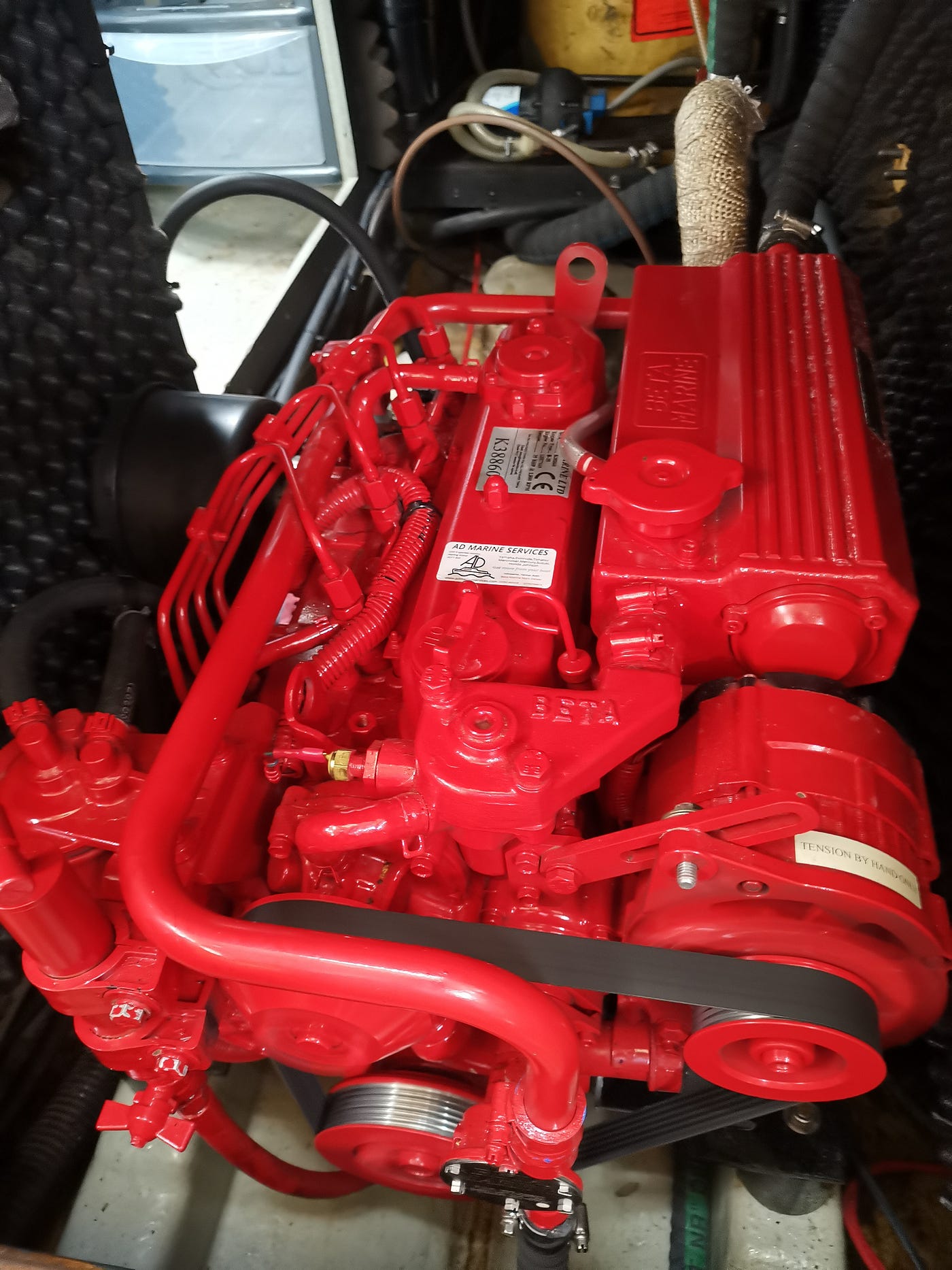
Credit: theancientmarinersblog.com
Frequently Asked Questions
What Causes Vibration In Marine Diesel Generators?
Vibration in marine diesel generators often results from misalignment, loose mounts, unbalanced components, or worn bearings. Identifying the root cause helps in applying the correct fix and prevents further damage to the generator and surrounding equipment.
How Can Misalignment Be Fixed In Marine Generators?
Misalignment can be corrected by realigning the generator with the engine or coupling. Using laser alignment tools ensures precise adjustments, reducing vibration and improving the generator’s operational efficiency and lifespan.
Why Is Regular Maintenance Vital For Vibration Control?
Regular maintenance detects loose bolts, worn parts, or imbalances early. Timely checks and servicing prevent excessive vibration, ensuring smooth generator operation and minimizing costly repairs or downtime on marine vessels.
Can Balancing Rotating Parts Reduce Generator Vibration?
Yes, balancing rotating parts like the rotor or flywheel reduces uneven forces. Proper balancing minimizes vibration, enhances performance, and prolongs the life of the marine diesel generator components.
Conclusion
Fixing vibration issues in marine diesel generators is crucial. It ensures smooth operations and prevents costly damage. Regular maintenance plays a key role. Check for loose bolts and worn-out parts often. Balance the engine components properly. This reduces unnecessary vibrations.
Use high-quality fuel and lubricants. They can make a big difference. Always consult a professional if unsure. Safety and efficiency should be top priorities. Keep your generator in top shape. It will serve you well for years. Follow these tips, and enjoy trouble-free marine journeys.