
Imagine significantly reducing your electricity bills while contributing to a greener planet. This dream can become your reality by generating 1500 watts of solar power right at your home.
It’s not just a step towards sustainability; it’s a smart financial move. You’re about to discover how easy it is to harness the sun’s energy, turning it into a reliable source of power for your household needs. Curious about how to make this happen?
You’ll learn the essential steps, from selecting the right solar panels to installing them efficiently. Plus, you’ll uncover insider tips to maximize your energy output and ensure your solar setup is running optimally. This guide will equip you with the knowledge to not only save money but also become a part of the solar revolution. Ready to transform your energy consumption? Let’s dive in and explore how you can generate 1500 watts of solar power effortlessly.
Understanding Solar Energy Basics
Solar energy comes from the sun. It helps us make electricity. Solar panels collect sunlight and turn it into power. The more sunlight, the more energy we get. This energy is clean and helps save the planet.
- Monocrystalline Panels: Made from single crystal. They work best.
- Polycrystalline Panels: Made from many crystals. They cost less.
- Thin-Film Panels: Light and flexible. They are easy to place.
Sunlight hits the solar panels. Panels change sunlight into electricity. This process is called photovoltaic conversion. Solar energy can power homes and gadgets. Energy storage is possible with batteries. This keeps power for cloudy days.
Assessing Energy Needs
First, list all the appliancesin your home. Write down their wattage. Look at the labels on the appliances. Add up the watts to find the total power. Consider how many hours you use each appliance daily. Multiply the watts by the hours. This gives the energy used in watt-hours. For a day, you must sum up all the watt-hours. That is your daily power need. Be sure to check every appliance.
Understanding energy use is crucial. Check your electricity bills. They show how much power you use monthly. Compare this with your calculated power needs. Observe patterns in your energy use. Some months might be higher. This could be due to seasonal changes. Make sure you calculate for peak use. This will help you plan better. Having an accurate picture helps in planning. It ensures you meet your energy needs.
Choosing The Right Solar Equipment
Selecting suitable solar panels and inverters is key to achieving 1500 watts of solar power. Consider energy needs, efficiency ratings, and space availability to optimize performance. Proper installation and maintenance ensure long-term benefits and reliability.
Selecting Solar Panels
Solar panels are the heart of your solar setup. The right panels can make a big difference. Efficiency is important. Higher efficiency means more power. Durability matters too. They should last for many years. Size can affect where you place them. Choose panels that fit your roof or yard.
Inverters And Battery Storage
Inverters change solar power to usable electricity. Choose one that fits your system size. Battery storage keeps energy for later use. This is helpful at night. Capacity is key for batteries. Bigger batteries store more energy. Choose reliable brands for lasting power.
Mounting Systems
Mounting systems hold your panels in place. They should be strong. They face weather like wind and rain. Tilt angle affects sunlight capture. Adjustable mounts can be useful. Choose mounts that fit your roof type. This ensures stability and efficiency.
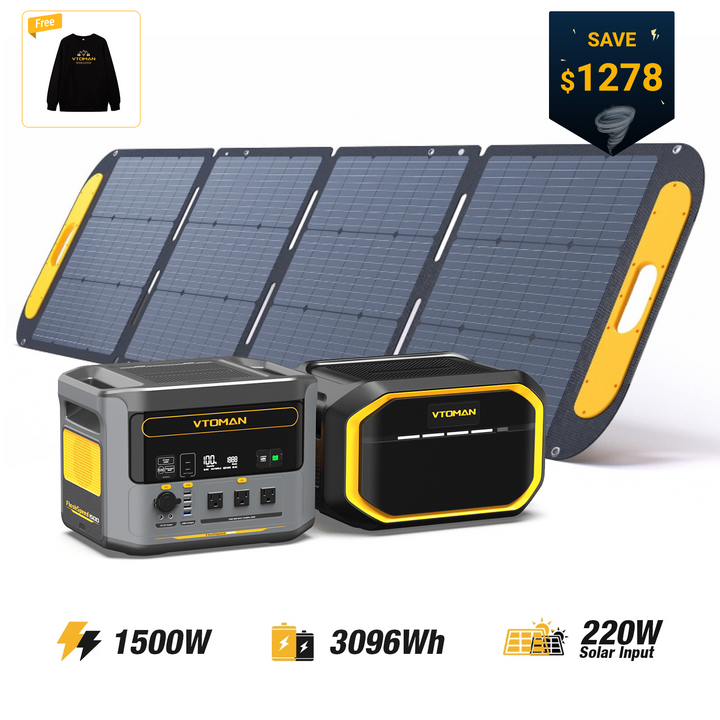
Credit: vtoman.com
Maximizing Solar Panel Efficiency
Enhance solar panel efficiency by choosing the right angle and location. Regular cleaning ensures maximum sunlight absorption. Efficient energy storage supports consistent power generation, enabling the production of 1500 solar watts.
Optimal Panel Placement
Solar panels need to face the sun. Choose a spot with the most sunlight. Roofs are often the best choice. Ensure the panels don’t get shaded by trees or buildings. Angle the panels correctly. South-facing panels work well in the northern hemisphere. Check the angle twice a year.
Regular Maintenance Tips
Clean panels every few months. Dirt and dust reduce efficiency. Use a soft brush and water. Check for cracks or damage. Fix any issues quickly. Inspect wiring regularly. Loose wires can cause problems. Hire a professional for a yearly check-up.
Weather And Environmental Considerations
Consider your area’s weather. Panels work best in sunny climates. Rain can help clean the panels. Snow may block sunlight. Clear snow off panels if needed. Install panels that withstand strong winds. Hurricanes or storms can cause damage.
Installation Process
Setting up 1500 solar panels involves choosing the right location and ensuring optimal sunlight exposure. Install mounting structures securely, attach panels, and connect them to the inverter. Finally, integrate the system with the grid for seamless energy transfer.
Preparation Steps
Clear the area for solar panels. Check the roof condition. Ensure it is strong. Gather all the necessary tools. Wear safety gear. Follow instructions carefully.
Professional Vs Diy Installation
Professional installationensures safety. Experts know what to do. They handle complex tasks. It saves time and effort. DIY installationcan be fun. You learn new skills. It may cost less. But it needs careful planning. Mistakes can be costly.

Credit: www.amazon.com
Monitoring And Optimization
Solar panels need to be checked daily. This helps track energy production. Use special tools to measure energy. These tools show how much power is made. Keeping track of this helps find problems fast. If energy drops, check the panels. Dust or dirt can block sunlight. Cleaning panels can improve production. Always keep records of energy data. This helps in planning for future needs. Compare daily energy data with expected output. If there’s a big difference, check equipment. Monitoring is key for good energy levels.
Improving solar system performance is important. Regular checks help find problems early. Replace old parts when needed. New parts work better and last longer. Keep wires clean and tight. Loose wires can cause issues. Use new technology to boost power. Smart systems can adjust settings for best results. Train workers on system updates. This ensures they know how to keep systems running well. Always look for ways to improve efficiency. Better performance means more energy made.
Financial Considerations
Investing in solar panels requires upfront costs. Initial expenses include equipment and installation. Long-term benefits often outweigh these costs. Savings on electricity bills are significant. Solar energy reduces dependency on grid power. This means less money spent on monthly bills. Over time, savings accumulate.
Many governments offer incentives for solar energy. Tax credits can reduce the initial cost. Some regions provide rebates for installations. These incentives make solar more affordable. They encourage people to choose clean energy. Always check local policies for available programs. Incentives can vary by location.
Solar panels offer consistent savings over years. Energy bills decrease as solar power is used. Panels have a long lifespan. Maintenance costs are generally low. These factors contribute to long-term savings. Solar energy is a wise investment. It benefits both the wallet and the environment.

Credit: www.stresslesscamping.com
Future Trends In Solar Technology
Future trends in solar technology are focusing on innovative ways to efficiently generate 1500 watts of solar energy. Advances in photovoltaic materials and energy storage solutions play a key role in achieving this goal.
Advancements In Solar Efficiency
Solar panels are getting better. They now capture more sunlight. This means they can make more energy. The new designs are thinner and lighter. This helps them work in more places. Better materials also make them stronger. They last longer and need less care. Smart technology is helping too. It makes solar panels work even when it’s cloudy. More homes and places use solar now. It saves money and helps the Earth.
Emerging Technologies
New ideas in solar power are coming fast. Floating solar panels can sit on water. They take up less land space. Solar skins can match the look of roofs. This makes them nicer to look at. Solar windows let light in while making power. These windows are clear but still work well. Solar roads are being tested too. They can charge cars as they drive. These new ideas promise a bright future for solar energy.
Frequently Asked Questions
How Many Solar Panels Do I Need For 1500w?
Calculate the number of solar panels by dividing 1500W by a single panel’s wattage, usually 250-350W. Consider sunlight hours and efficiency. Generally, you need around 5-6 panels for 1500W. Always consult a professional for precise calculations and installation.
How Many Solar Panels To Generate 1500 Kwh?
To generate 1500 kWh monthly, you’ll need approximately 15 to 18 solar panels. Each panel should produce around 250 to 300 watts. Factors like location and panel efficiency may affect the exact number required. Consider consulting a solar expert for tailored advice.
What Can 1500 Watts Of Solar Power Run?
A 1500-watt solar system can power small appliances, lights, and devices like laptops and TVs. It can run a refrigerator, microwave, or multiple LED lights efficiently, depending on usage and sunlight. Ideal for off-grid cabins or RVs, it supports energy-efficient appliances and short-term electricity needs.
What Is The 20% Rule For Solar Panels?
The 20% rule for solar panels suggests installing panels with a capacity 20% higher than needed. This compensates for inefficiencies, ensuring optimal energy production. This approach accounts for factors like shading, weather, and panel degradation over time, maximizing long-term energy output and efficiency.
Conclusion
Generating 1500 solar watts is a practical goal. Start with understanding solar basics. Choose the right panels for your needs. Consider sunlight hours in your area. Proper installation is crucial. Regular maintenance keeps efficiency high. Monitor your system’s performance. Make adjustments as needed.
Solar energy reduces electricity bills. It’s also eco-friendly. Investing in solar technology is smart. It supports sustainable living. The future of energy is green. Embrace it. Solar power offers endless possibilities. Take the step towards a brighter future.