Are you tired of skyrocketing energy bills and the constant worry about your carbon footprint? Imagine harnessing a clean, renewable power source that not only saves you money but also contributes to a healthier planet.
Solar energy offers exactly that, and it’s more accessible than you might think. By tapping into the sun’s abundant power, you can generate electricity right at home, reducing your dependence on fossil fuels. You’ll discover how solar panels work, what it takes to set up your own solar energy system, and the benefits you can reap from making this eco-friendly switch.
Get ready to transform your home and lifestyle with the power of the sun!

Credit: www.asiaresearchnews.com
Solar Energy Basics
Solar panels capture sunlight and convert it into electricity. Photovoltaic cells in these panels create electric currents. This clean energy powers homes and devices efficiently.
What Is Solar Energy
Solar energy comes from the sun’s light. It is a clean and renewable source. Solar panels capture sunlight. They turn it into electricity. This process is efficient and eco-friendly.
Types Of Solar Technology
- Photovoltaic Systems:These use solar panels. They convert sunlight into electricity directly.
- Solar Thermal Systems:These focus sunlight. They produce heat for homes and businesses.
- Concentrated Solar Power:Mirrors or lenses concentrate sunlight. This heats a fluid and generates steam for power.
Solar Panels Explained
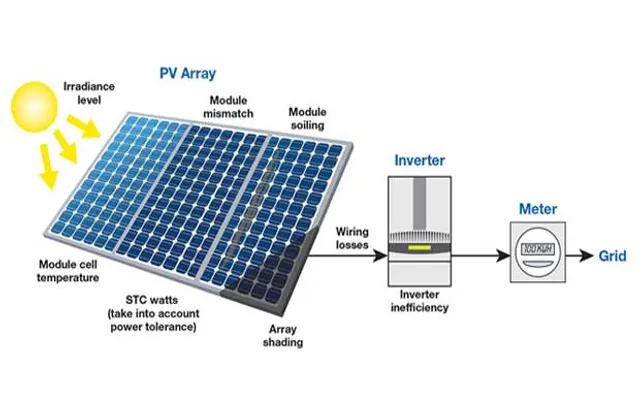
Solar panels convert sunlight into electricity using photovoltaic cells. These cells capture sunlight and generate direct current (DC). An inverter then transforms this DC into alternating current (AC), which powers homes and devices. Simple, clean, and efficient.
Structure And Components
Solar panels have many parts. The main part is the solar cell. It changes sunlight into electricity. These cells are made of silicon. Panels have a glass cover for protection. Underneath, a backsheetholds everything together. A metal frame supports the panel. Wires connect the panel to your home or a battery.
Types Of Solar Panels
- Monocrystallinepanels are very efficient. They last a long time.
- Polycrystallinepanels are cheaper. They are less efficient.
- Thin-filmpanels are flexible. They are lightweight but less powerful.
How Solar Panels Generate Electricity
Solar panels use the photovoltaic effectto make electricity. Sunlight hits the solar cells and creates energy. These cells are made from materials like silicon. Electrons in the cells move when light shines on them. This movement creates an electric current. The current is direct current (DC) electricity. It can power small devices or be stored in batteries.
The generated electricity is not ready for home use yet. Most homes need alternating current (AC) electricity. A device called an inverterchanges DC to AC. The inverter makes electricity usable for home appliances. Inverters are key parts of solar power systems. They ensure electricity is safe and efficient to use. Solar panels and inverters work together to provide clean energy. This process helps reduce reliance on fossil fuels.
Setting Up A Solar Energy System
Setting up a solar energy system involves installing solar panels to capture sunlight. These panels convert sunlight into electricity for home use. This eco-friendly solution reduces electricity bills and minimizes carbon footprint.
Site Assessment
Before installing solar panels, check your location. Ensure the site gets plenty of sunlight. Look for any trees or buildings that may cause shadows. Shadows can reduce the efficiency of solar panels. Use a tool to measure sun exposure. This helps find the best spot for panels. It’s crucial for generating more electricity.
System Design
Designing a solar system needs careful planning. Calculate how much electricity you need. Consider the size of your roof or land. Choose the right solar panels and equipment. Panels come in different types and sizes. Select an inverter to change solar power to usable electricity. Ensure all parts fit your needs. Design impacts performance and cost.
Installation Process
Before you install solar panels, get the right permits. Local laws need checking. You might need a building permit. This keeps your home safe. Talk to your local council or authority for help. They guide you through the steps. Sometimes, you need an inspection. This checks if your setup is safe. Follow all rules and regulations. It saves time and money.
- Find a sunny spot for panels.
- Use a strong mount for panels.
- Connect panels to an inverter.
- Wire inverter to your home grid.
- Test the system for proper function.

Credit: powerfullygreen.com
Maintaining Solar Energy Systems
Regular cleaning of panels ensures optimal sunlight absorption. Inspect and tighten loose connections to prevent energy loss. Monitor inverter performance to detect issues early and maintain efficiency.
Routine Checks
Solar panels need to be clean. Dust and dirt block sunlight. Check the panels regularly. Look for cracks or damage. Make sure cables are tight. Loose cables cause problems. Check the inverter too. It should have no errors. Regular checks keep the system healthy.
Troubleshooting Common Issues
Sometimes solar panels don’t work well. Check the weather first. Clouds reduce energy. Look at the inverter screen. It shows important messages. If it has a red light, there might be a problem. Check the cables. They should be connected firmly. If unsure, call an expert. They can fix issues properly.
Benefits Of Solar Energy
Solar energy offers a clean and renewable way to generate electricity. Solar panels convert sunlight into electricity, reducing reliance on fossil fuels. This process helps decrease pollution and can lower electricity bills.
Environmental Impact
Solar energy is clean and renewable. It reduces air pollution. Solar panels produce no harmful gases. They help fight climate change. Using solar energy decreases reliance on fossil fuels. Protects nature and wildlife. Solar panels need sunlight. They do not use any water. This saves water resources. Solar energy is sustainable and eco-friendly.
Economic Savings
Solar energy saves money on electricity bills. Initial setup cost can be high. But long-term savings are significant. Solar panels require little maintenance. They last for many years. Government offers incentives for solar panel installation. These can reduce upfront costs. Solar energy can increase home value. It’s a smart investment for the future.

Credit: m.facebook.com
Future Of Solar Energy
Solar energy is getting better every year. New technologies make solar panels more efficient. They can now capture more sunlight. This means more electricity from the same panel size. Smart inverters help manage energy better. They make solar systems smarter. Even on cloudy days, they work well. Storage solutions like batteries are improving too. They store energy for later use. This is great for night time. Solar technology is helping homes and businesses save energy. It’s also helping the planet by reducing pollution.
Many countries are using more solar energy now. This is because it is clean and renewable. China and India are leaders in solar use. They have many solar farms. The United States is also growing in solar energy. More homes have solar panels on roofs. In Europe, Germany and Spain use a lot of solar energy. They have sunny climates which help. Even in colder places, solar power is growing. People everywhere want clean energy for a better future.
Frequently Asked Questions
How Can We Generate Electricity From Solar Energy?
Solar energy generates electricity using photovoltaic cells that convert sunlight into electric power. Solar panels contain these cells, capturing sunlight and producing direct current (DC). An inverter then converts DC to alternating current (AC) for home use. This process is efficient and sustainable, reducing reliance on fossil fuels.
Can I Power My Home With Just Solar?
Yes, you can power your home with solar panels alone. Ensure proper system sizing and adequate battery storage. Consult with a professional to assess your energy needs and solar capacity. Solar power is sustainable and cost-effective, reducing electricity bills and environmental impact.
What Is The Cheapest Way Of Generating Electricity?
The cheapest way to generate electricity is through solar and wind power. These renewable energy sources have low operational costs and are environmentally friendly. Initial setup costs are decreasing, making them more accessible. Hydroelectric power is also cost-effective, especially for regions with abundant water resources.
What Is The Major Disadvantage Of Solar Panels To Generate Electricity?
Solar panels depend on sunlight, making them ineffective during cloudy days or nighttime. This leads to inconsistent energy production. Battery storage or alternative energy sources become essential to ensure a continuous power supply. High initial costs and large space requirements can also be drawbacks for some users.
Conclusion
Solar energy offers a clean way to produce electricity. It’s renewable, reducing pollution and dependency on fossil fuels. Installing solar panels can lower electricity bills and promote sustainability. With advancements, solar technology becomes more affordable and accessible. Many homes and businesses now invest in solar energy systems.
Exploring solar options is a step towards greener living. By using the sun’s power, we harness a natural resource. It’s a choice that benefits our planet and future generations. Consider solar energy as part of your efforts to create a better world.
Choose solar energy for a sustainable future.