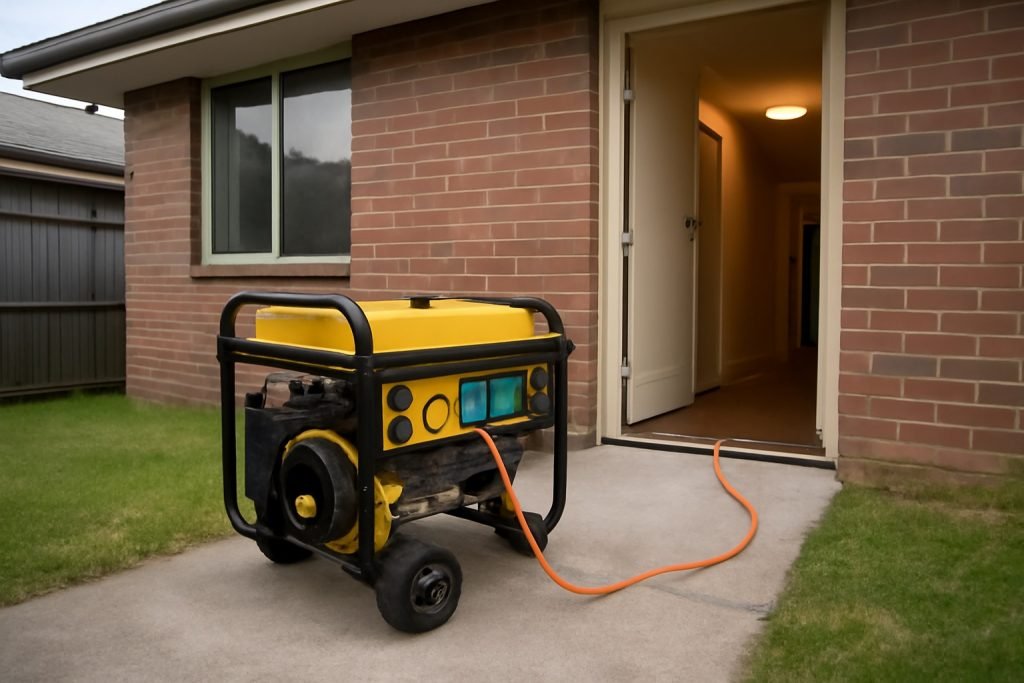
Imagine a sudden power outage. The lights flicker, appliances stop humming, and your home plunges into silence.
Yet, in a corner, a diesel generator stands ready to bring life back to your household. Knowing how to hook up a diesel generator to your house can be a game-changer, ensuring that your life continues uninterrupted, come rain or shine.
You might wonder if the process is complicated or risky. Don’t worry. You’re not alone in this. Many homeowners like you have taken steps to ensure their homes are never left in the dark. This guide is crafted to walk you through each step, making it easy to understand and implement. Imagine the peace of mind you’ll have, knowing you’ve safeguarded your home against unexpected outages. Ready to empower your home with reliable energy? Let’s dive in.
Safety Precautions
Connecting a diesel generator to a house needs care. Always wear safety gloves and goggles. These protect your hands and eyes. Ensure the area is dry. Water and electricity are dangerous together. Keep children and pets away. They might get hurt.
Read the generator manual. It has important instructions. Always follow them. Check the fuel levels. Low fuel can damage the generator. Inspect all cables and wires. They should be in good condition. Damaged cables can cause shocks.
Use a transfer switch. It prevents power back-feed. This keeps the house safe. Never run the generator indoors. It produces harmful gases. These gases can be deadly. Always run it outside in open air.

Credit: www.youtube.com
Tools And Materials Needed
- Diesel Generator – Make sure it is the right size for your house.
- Transfer Switch – Essential for safe connection to the house.
- Fuel Supply – Diesel fuel to run the generator.
- Power Cables – Heavy-duty cables to carry electricity.
- Wrench Set – For tightening connections and bolts.
- Screwdrivers – For installing and securing components.
- Voltage Meter – Check if electricity is flowing correctly.
- Safety Gear – Gloves and goggles for protection.
- User Manual – For instructions specific to your generator model.
- Ground Rod – Important for electrical safety.
These tools and materials help you safely connect a generator. Always follow safety guidelines to prevent accidents.
Assessing Power Needs
First, figure out how much power you need. Look at all your home appliances. Check their power usage on labels. Add up the watts each uses. This will give you a total watt number. Remember, some appliances need more power when starting. These are called surge watts. Always add extra for these. This helps in planning for emergencies.
Think about what you really need during a power cut. Essentials like the fridge, lights, and heating should come first. Keep a list of these important devices. This helps in choosing the right generator. A good generator will cover your basic needs. Make sure it can handle your total watts.

Credit: www.tiktok.com
Choosing The Right Generator
Selecting a diesel generator for your house is important. You need to know your power needs. Think about how much electricity you use daily. Check the generator’s wattage. It should match or exceed your needs. Consider the size of the generator. Larger homes might need bigger generators. Smaller ones can handle less power.
Noise levels are crucial too. Quieter generators are better for home use. Fuel consumption is another factor. Diesel generators use less fuel than others. They are more efficient. Look for reliable brandswith good reviews. This ensures you get a quality product. Think about your budget. Generators vary in price. Choose one that fits your budget but meets your needs.
Positioning The Generator
Finding the right spot for your diesel generatoris crucial. Place it outdoors, away from windows and doors. This keeps harmful fumes out of your home. Choose a flat surface to prevent shaking. Stability is key for safe operation.
Keep the generator dry at all times. Water and electricity don’t mix. A shelter or canopy can protect it from rain. Ensure the shelter allows for good airflow. Generators need to breathe to work well.
Consider how far the generator is from the house. A distance of at least 15 feet is ideal. This helps reduce noise and keeps fumes at bay. Remember, a well-positioned generator works better and lasts longer.
Preparing The Transfer Switch
A transfer switch is very important. It helps switch power safely. First, turn off your home’s main power. Safety is the priority here. Next, find the best spot for the switch. Near the main electrical panel is ideal. This makes wiring easier and neater. Drill holes if needed for wires. Always use the right tools for this task.
Connect the wires from the generator to the switch. Follow the instructions carefully. Each wire has its own place. Double-check every connection. This prevents any problems later. Secure all wires tightly. Loose wires can be dangerous. Finally, test the switch. Make sure everything works well. If not, check connections again.
Connecting To The House Panel
First, locate the main electrical panel. This panel is crucial for power distribution. Make sure the generator is off. Safety is important. Find the transfer switch. This device switches between generator and grid power. Connect the generator to this switch. Use heavy-duty cables. Ensure cables are well-insulated. Now, connect the switch to the panel. Follow the wiring diagram. Connect wires to the correct terminals. Double-check connections. Proper connections prevent electric hazards.
Next, test the setup. Turn on the generator. Switch power from the grid to the generator. Check if lights and appliances work. Listen for any unusual sounds. Inspect for sparks or smoke. If all is well, your connection is complete. Remember, always follow safety guidelines. Consult an electrician if unsure.

Credit: www.pecoair.com
Fueling The Generator
Diesel generators need diesel fuel to run efficiently. Always use fresh diesel to avoid engine problems. Check the fuel level regularly. A full tank ensures the generator runs smoothly. Clean the fuel tank if needed. Dirt can block the fuel lines.
Store diesel in a safe container. Keep it away from fire. Ensure proper ventilation when refueling. Diesel fumes can be harmful. Inspect the fuel lines for leaks. Leaks can cause dangerous situations.
Wear safety gloves when handling diesel. It can irritate the skin. Keep a fire extinguisher nearby. Safety comes first when fueling the generator.
Testing The Setup
Safety comes first before testing the diesel generator setup. Ensure all connections are secure and tight. Check the circuit breaker to confirm it is in the off position. This avoids unwanted power surges. Next, start the diesel generator. Let it run for a few minutes to stabilize. Observe for any unusual sounds or smells. If everything is normal, proceed to the next step.
Connect the generator to your home’s power inlet. Turn on the circuit breaker to allow power flow. Monitor the power supply to ensure it is stable. Check if lights and appliances work well. Look for any flickering or power fluctuations. This ensures the connection is successful. If any problems arise, turn off the generator immediately. Inspect all connections and try again. Always prioritize safety during this process.
Maintenance Tips
Ensure the diesel generator is compatible with your home’s electrical system. Install a transfer switch to safely connect the generator. Regularly check fuel levels and perform routine maintenance to keep the generator running smoothly.
Keep It Clean
Dust and dirt can harm your diesel generator. Clean it often to ensure it works well. Use a soft cloth to wipe dust away. Make sure the area around the generator is free from debris.
Check Oil Levels
Oil keeps the generator running smoothly. Always check the oil levelsbefore use. Change the oil after every 100 hours of operation. This helps the engine stay healthy.
Inspect The Battery
The battery should be checked monthly. Look for corrosion on the terminals. Clean them if needed. Ensure the battery is charged for starting the generator easily.
Test Regularly
Run the generator every month. This ensures it will work in an emergency. Listen for unusual sounds. If something sounds off, have it checked by a professional.
Frequently Asked Questions
Can I Connect A Generator Directly To My House Wiring?
Connecting a generator directly to house wiring is unsafe and illegal. Use a transfer switch for proper installation. This prevents backfeeding, protects utility workers, and ensures safe operation. Always consult a licensed electrician for installation to comply with local electrical codes and regulations.
Safety should be your top priority.
What Size Diesel Generator Would You Need To Run A House?
A diesel generator between 5,000 to 7,500 watts can power essential household appliances. Larger homes may need 10,000 watts. Calculate your total wattage needs for accuracy. Consider future appliance additions for optimal generator sizing. Always ensure professional installation for safety and efficiency.
Where Do I Plug In My Generator To Power My House?
Plug your generator into a transfer switch connected to your home’s circuit breaker panel. Ensure proper installation by a certified electrician. This prevents backfeeding, ensuring safety and compliance with local regulations. Always follow manufacturer instructions for generator use and maintenance.
Is It Legal To Hook Up A Generator To Your House?
Hooking up a generator to your house is legal, but follow local codes and regulations. Use a transfer switch for safety. Consult a licensed electrician to ensure proper installation. Avoid backfeeding, which is dangerous and illegal. Prioritize safety and compliance for effective generator use at home.
Conclusion
Connecting a diesel generator to your home ensures power during outages. Follow the steps carefully for a safe setup. Double-check all connections to avoid errors. Regular maintenance keeps the generator running smoothly. Always prioritize safety when dealing with electrical equipment.
Consult professionals if uncertain about any process. A properly hooked-up generator offers peace of mind. Enjoy uninterrupted power when the grid fails. It’s a reliable backup during emergencies. Invest time in learning each step thoroughly. Your home stays powered and secure.