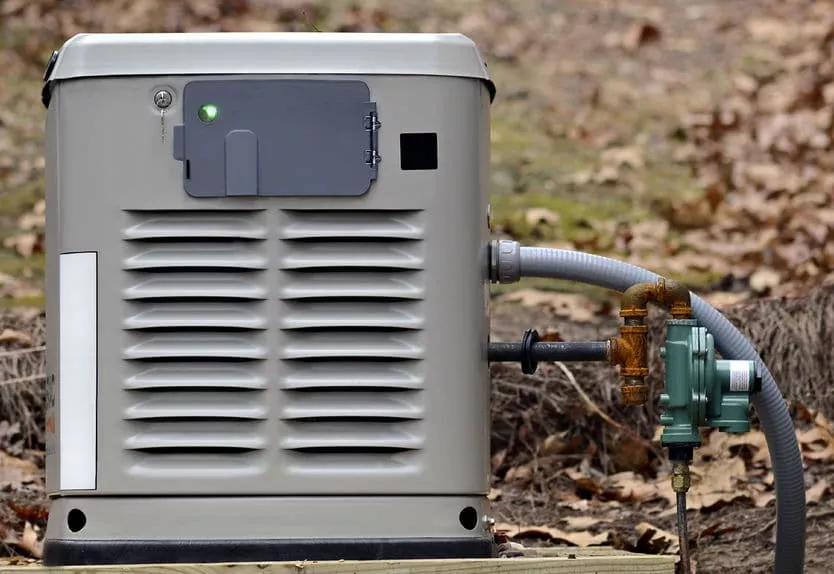
Are you tired of power outages disrupting your daily routine? Imagine the peace of mind knowing that your standby generator is ready to kick in when you need it most.
Hooking up propane to your standby generator might sound daunting, but it’s easier than you think. In this guide, you’ll discover simple steps to ensure your generator is fueled and ready to go. Whether you’re prepping for a storm or just want a reliable backup, learning how to connect propane to your generator is a skill worth mastering.
Stick around to empower yourself with the knowledge to keep your home running smoothly during unexpected power cuts.

Credit: www.youtube.com
Choosing The Right Propane Tank
Choosing the correct propane tank is keyfor a standby generator. Tank sizes vary from small 20-pound tanks to large 500-gallon tanks. The right size depends on how long and how often the generator will run.
Smaller tanks suit short power outages. Larger tanks work better for long outages or heavy use. Keep in mind the generator’s fuel consumption rate to pick a tank with enough capacity.
| Tank Size | Capacity (Gallons) | Use Case |
|---|---|---|
| 20 lb | 4.7 | Short outages, portable use |
| 100 lb | 23.6 | Medium outages, home backup |
| 500 gal | 500 | Long outages, whole house backup |
Safety ratings and certifications ensure the tank meets strict rules. Look for ULor CSAmarks on the tank. These show the tank passed important safety tests.
Proper certification helps avoid leaks or accidents. It also means the tank is built with quality materials. Always buy tanks from trusted sellers with proper labels.

Credit: www.youtube.com
Gathering Necessary Tools And Materials
Gather all required fittingsand connectors before starting. Use propane-rated hosesand adapters that fit your generator. Common items include:
- Propane regulator
- Flexible propane hose
- Shut-off valve
- Pipe thread sealant or tape
- Proper sized connectors and clamps
Wear essential safety gearfor protection. This includes gloves to prevent burns and safety glasses to shield your eyes. Also, use a face mask if working in a confined space. Always check for leaks with soapy water after connections.
Preparing The Generator For Connection
Locate the fuel inleton the standby generator. It is usually near the engine or on the side. Check for a protective cap or cover that must be removed before connecting the propane line.
Read the manufacturer specificationscarefully. These provide the exact type of fuel connection needed. Following these instructions helps avoid leaks and safety issues.
The specifications often include:
- Type of propane hose and fittings required
- Pressure limits for the fuel supply
- Recommended safety valves and regulators
- Instructions on how to secure the connection
Connecting The Propane Tank To The Generator
Attach the regulatorto the propane tank valve firmly. This controls the gas flow to the generator. Use a wrench to tighten the connection but do not over-tighten. Check the regulator for any signs of damage before installing.
Secure the hosebetween the regulator and the generator’s fuel inlet. Ensure the hose is rated for propane use. Avoid sharp bends or kinks to keep the flow steady.
- Use propane-approved fittings to connect the hose securely.
- Tighten all fittings with a wrench for a snug fit.
- Check for leaks using soapy water on connections; bubbles mean a leak.
- Keep the hose away from hot surfaces or sharp edges.
Testing The Propane Connection
Check for leaks by applying soapy water to connections. Bubbles show gas escaping. Use a propane gas detector for better accuracy. These tools beep or light up when leaks are found.
Make sure the propane pressure matches the generator’s needs. Too high pressure can damage parts. Too low pressure will stop the generator from working. Use a pressure gauge to measure the flow.
| Leak Detection Method | Purpose | Tools Needed |
|---|---|---|
| Soapy Water Test | Find small leaks visually | Soap, water, brush |
| Propane Gas Detector | Detect gas leaks quickly | Gas detector device |
| Pressure Gauge | Check propane pressure levels | Pressure gauge |
Operating The Generator With Propane
Before starting, ensure the propane tank valveis fully open. Check the generator’s fuel line for leaks or damage. Turn the generator’s choke to the start position. Pull the recoil starter or press the electric start button to ignite. The engine should start within a few seconds. Once running, move the choke to the run positionto keep the engine smooth.
Keep an eye on the fuel gaugeto avoid running out of propane. Listen for any unusual soundsfrom the generator. Check the exhaustfor proper flow; it should not be blocked. Regularly monitor the oil leveland temperature to ensure safe operation. Turn off the generator if you see smoke or smell gas.
Maintenance Tips For Propane Generators
Check the propane tank and generator connections often. Look for leaks or damage. Tighten loose fittings to stop gas leaks. Clean dirt and debris around the generator to keep it safe and working well.
Keep propane tanks in a cool, dry place away from flames or sparks. Store tanks upright and secure to avoid tipping. Use proper gloves when handling propane to protect your skin.
| Inspection Area | What to Check | Frequency |
|---|---|---|
| Connections | Leaks, tightness, damage | Monthly |
| Propane Tank | Rust, dents, valve condition | Every 6 months |
| Generator Area | Cleanliness, ventilation | Weekly |
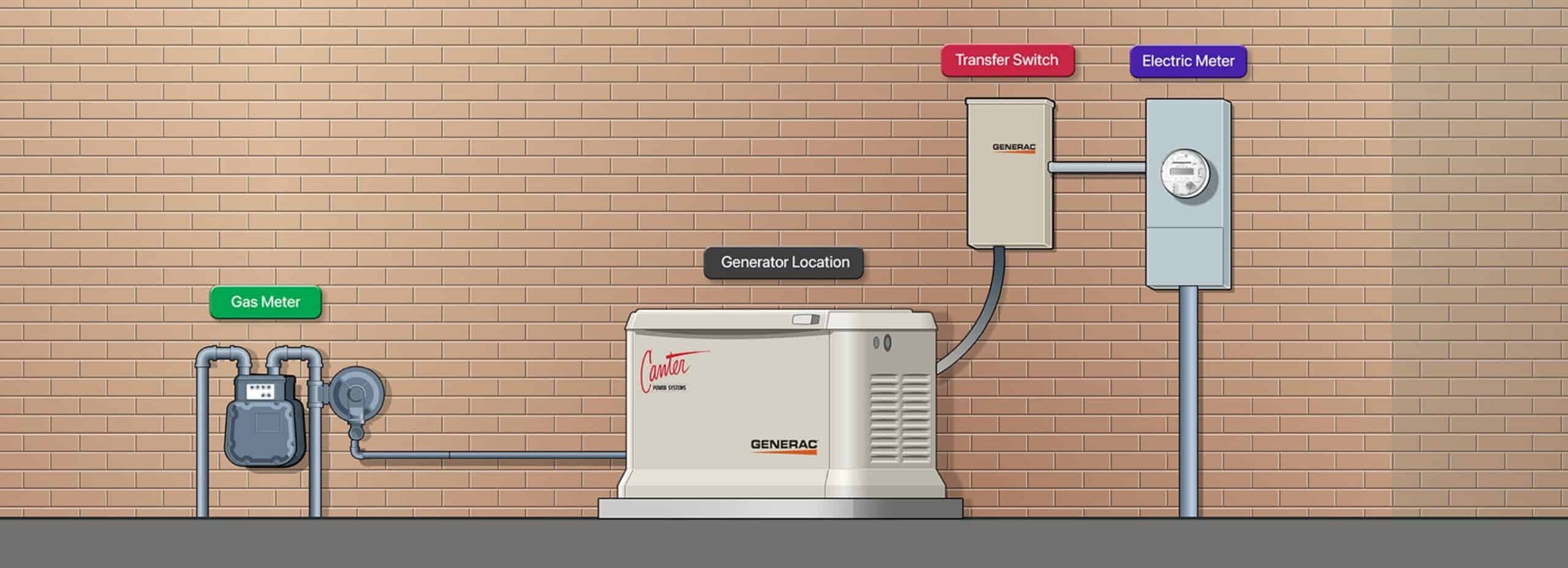
Credit: canterpowersystems.com
Frequently Asked Questions
How Do I Connect Propane To A Standby Generator Safely?
First, turn off the generator and propane supply. Use approved regulators and connectors. Follow the manufacturer’s instructions precisely. Check for leaks with soapy water. Always hire a certified technician if unsure about installation.
What Tools Are Needed To Hook Up Propane To Generators?
You’ll need a propane regulator, flexible hose, pipe wrench, Teflon tape, and leak detection solution. These tools ensure a secure, leak-free connection between the propane tank and generator for safe operation.
Can I Use A Regular Propane Tank With A Standby Generator?
Yes, but ensure the tank size meets the generator’s fuel requirements. Use a high-pressure regulator designed for standby generators. Never use an expired or damaged tank for safety reasons.
How Do I Check For Propane Leaks After Installation?
Apply a soapy water solution to all connections. Look for bubbles indicating leaks. If bubbles appear, tighten fittings or replace faulty parts. Never use an open flame to check for leaks.
Conclusion
Connecting propane to your standby generator keeps power steady during outages. Follow safety steps carefully to avoid leaks or damage. Check all connections tight and secure before use. Regular maintenance helps your generator run smoothly and last longer. Stay safe by using approved parts and tools.
Taking these simple actions ensures your generator works when you need it most. Ready for power backup? Just follow these clear steps and stay prepared.