
Are you tired of power outages disrupting your daily life? Imagine having a reliable backup power source that kicks in seamlessly when the electricity goes out.
That’s where a standby generator comes in. If you’ve been considering adding this valuable asset to your home, you’re in the right place. This guide will walk you through the simple steps to hook up a standby generator, ensuring your home stays powered, no matter what.
You’ll discover how easy it is to secure your peace of mind and maintain your comfort during unexpected blackouts. So, if you’re ready to eliminate the stress of power interruptions, read on to learn how you can set up your generator with confidence and ease.
Credit: shgeneratorset.com
Choosing The Right Generator
Standby generatorscome in different types. Some run on natural gas, others use propaneor diesel. Choose the type that fits your home and fuel availability.
Sizing your generator is important. It must handle the total power you need. Check the wattage of your main appliances and add them up. A generator too small won’t work well. Too big wastes money.
| Fuel Type | Advantages | Disadvantages |
|---|---|---|
| Natural Gas | Continuous supply, clean burning | Needs gas line, may shut off if line fails |
| Propane | Portable, long shelf life | Fuel tanks need refilling |
| Diesel | Powerful, good for heavy use | Noisy, requires fuel storage |
Preparing For Installation
Choose a dry, level, and well-ventilated spot for the generator. Keep it away from windows, doors, and vents to avoid fumes entering the home. The site must be close to your electrical panel and fuel source. Check local codes for placement rules.
- Generator unit
- Transfer switch
- Power cables
- Fuel lines or tank
- Basic tools: screwdrivers, wrenches, wire strippers
- Protective gear: gloves, goggles
Turn off the main power before starting work. Use gloves and goggles to protect yourself. Ensure fuel connections are secure to prevent leaks. Never work in wet conditions to avoid shock. Read the manual carefully for safety tips.
Installing The Transfer Switch
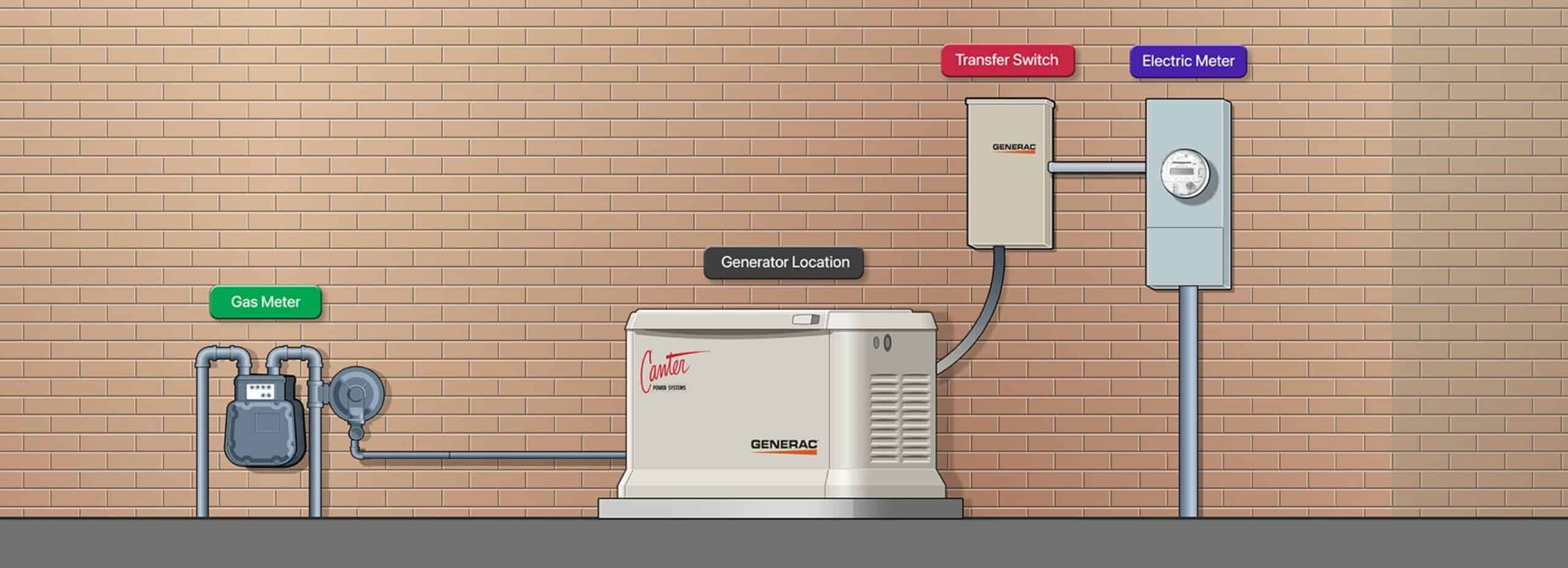
The transfer switchis key for safe generator use. It connects your generatorto your home’s electrical system. This switch prevents powerfrom the generator feeding backinto the utility lines. It keeps utility workers safe and protects your appliances. The transfer switch makes switching power sources easywithout rewiring each time.
Wiring the transfer switch requires care. The switch should be installed near the main panel. Use correct gauge wiresfor safety and efficiency. Connect the generator wiresto the switch and the switch to the home panel. Turn off powerbefore wiring to avoid shocks. Double-check all connections are tight and secure.
Testing the installation is important. Turn off the main power and start the generator. Flip the transfer switch to the generator side. Check if your home appliances receive power from the generator. If power flows correctly, the installation is successful. Turn the switch back to utility power and turn off the generator.
Connecting The Generator
Electrical connectionsmust be made carefully to ensure safety and function. Use a transfer switchto connect the generator to your home circuit. This prevents backfeed, which can be dangerous for utility workers. Always turn off the main power before starting any connections. Use proper wiringrated for your generator’s power output.
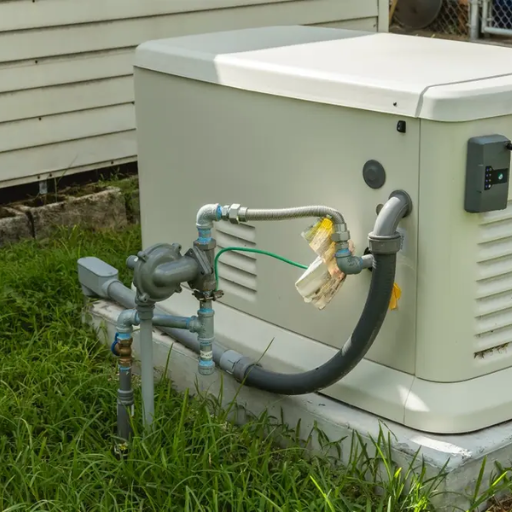
For the fuel line setup, check for leaks and secure all fittings tightly. Use fuel lines made for your generator’s fuel type, whether gas, propane, or diesel. Place the fuel tank in a well-ventilated area to avoid buildup of fumes.
Grounding the generatoris essential for safety. Connect the generator’s grounding terminal to a grounding rod driven into the earth. This helps prevent electric shock and protects the generator from lightning or surges.
Starting And Testing The System
Begin by checking the fuel and oil levels. Ensure the generator is on a flat surface. Turn the fuel valve on and set the choke to the start position. Pull the starter cord or use the electric start button to run the engine.
Allow the generator to run for a few minutes. Then, move the choke to the run position. Listen for smooth engine sounds and watch for any smoke. These signs show the generator is working well.
- Connect a test load, such as a lamp or small appliance.
- Turn on the load to check power output.
- Watch for any flickering lights or engine strain.
- Run the test for about 15 minutes.
| Issue | Possible Cause | Solution |
|---|---|---|
| Generator won’t start | Empty fuel tank | Refill fuel tank |
| Engine stalls | Dirty air filter | Clean or replace filter |
| No power output | Loose connections | Tighten all cables |

Credit: www.youtube.com
Maintenance Tips For Reliability
Routine inspections help keep your standby generator working well. Check for any leaks, loose wires, or damaged parts. Test the battery and clean the terminals to avoid power issues. Look at oil and coolant levels regularly to ensure proper engine function.
Fuel managementis key for smooth operation. Always use fresh fuel and keep the tank full to prevent moisture buildup. Store fuel safely in approved containers. Rotate fuel supply every few months to avoid stale fuel problems.
For seasonal shutdown and storage, run the generator for about 30 minutes monthly. Drain fuel or add stabilizer before storing for long periods. Keep the generator in a dry, cool place to avoid rust and damage. Cover it to protect against dust and dirt.
Credit: canterpowersystems.com
Frequently Asked Questions
How Do I Connect A Standby Generator Safely?
To connect a standby generator safely, use a transfer switch. This prevents backfeeding and protects utility workers. Always follow local codes and hire a professional electrician for installation.
What Tools Are Needed To Hook Up A Standby Generator?
Common tools include screwdrivers, wire strippers, pliers, a voltage tester, and a wrench set. Safety gear like gloves and goggles is also important during installation.
Can I Install A Standby Generator Myself?
While DIY installation is possible, it’s recommended to hire a licensed electrician. Proper wiring and permits ensure safety, code compliance, and reliable generator performance.
How Do I Test If My Standby Generator Is Working?
Run the generator monthly under load for 10-15 minutes. Check fuel levels, oil, and battery condition. Listen for unusual noises and ensure it powers essential circuits properly.
Conclusion
Hooking up a standby generator keeps your power steady during outages. Start by reading the manual carefully. Always follow safety rules to avoid accidents. Use the right tools and parts for the job. Test the system before the next storm hits.
Regular checks help your generator work well every time. This simple setup can save you stress and hassle. Stay prepared and keep your home powered safely.