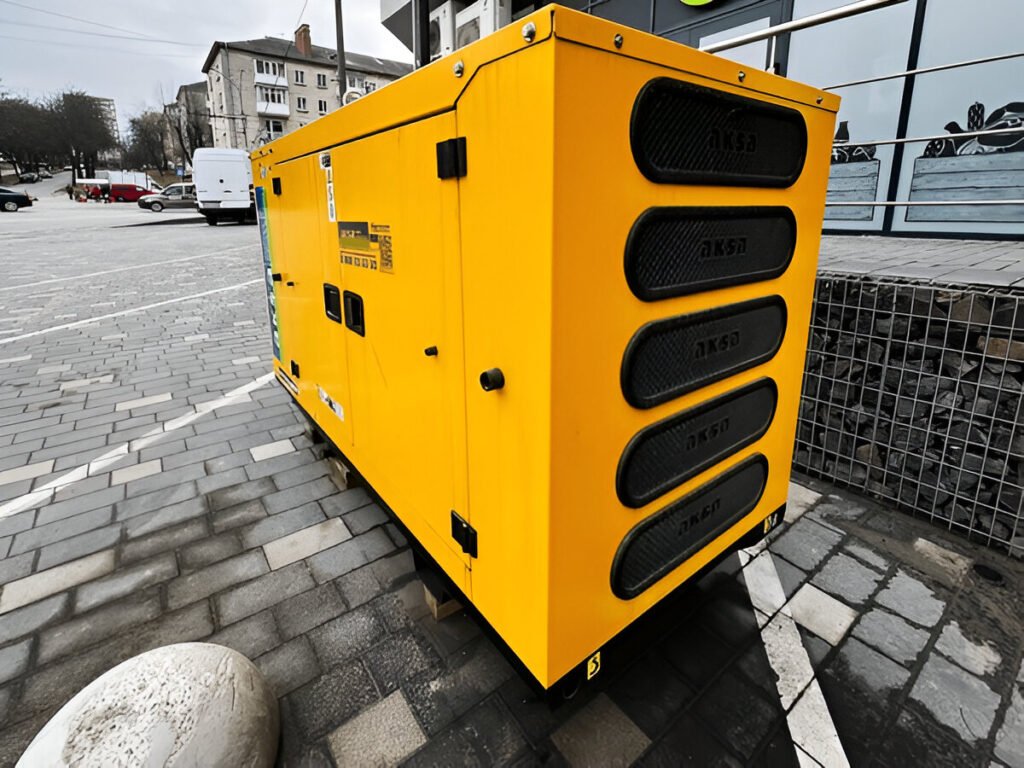
Are you considering installing a diesel generator, but feel overwhelmed by the process? You’re not alone.
Many people find themselves in the same boat, uncertain about where to start and how to ensure everything goes smoothly. Installing a diesel generator can seem daunting, but it doesn’t have to be. By following a few simple steps, you can enjoy a reliable power backup system that keeps your home or business running smoothly, even during unexpected outages.
This guide will walk you through the process, making it straightforward and stress-free. You’ll gain the confidence to tackle the installation yourself or make informed decisions when hiring a professional. Stick around and discover how easy it can be to ensure your power never skips a beat.
Choosing The Right Diesel Generator
Understand how much power you need. List all devices you will use. Add up their power needs in watts. Think about peak times when you need more power. Plan for emergencies. Make sure the generator can handle extra load. Safety is key. Choose wisely to avoid problems.
Pick the correct size for your generator. Small generators are for small homes. Large generators work for big buildings. Match the generator to your power needs. Overloading a generator can cause damage. Always choose a bit larger than needed. This ensures you have enough power.
Think about how much fuel your generator uses. Efficient generators save you money. Look for diesel generators with good fuel ratings. Less fuel means fewer trips to refuel. This can be helpful in emergencies. Choose a generator that offers good value.
Preparing The Installation Site
Diesel generators need good ventilationfor safe operation. Fresh air keeps the generator cool. Install fans or vents to move air. Check for any blockages that can stop airflow. This prevents overheating and damage.
The installation site must have strong support. Heavy generators need a sturdy base. Concrete floors are ideal. Make sure the floor does not move or shake. This keeps the generator safe and stable during use.
Generators can be very loud. Soundproofing helps reduce noise. Use special walls or barriers around the generator. Thick materials absorb sound well. This keeps the area quiet and peaceful.
Safety Precautions
Ensure the generator is placed in a well-ventilated area to prevent carbon monoxide buildup. Wear protective gear like gloves and goggles during installation. Double-check all electrical connections to avoid hazards.
Personal Protective Equipment
Wearing Personal Protective Equipment (PPE)is crucial. Always use gloves to protect your hands. Safety glasses keep your eyes safe from debris. A hard hat protects your head. Wear steel-toed boots to protect your feet. Use ear protection in noisy areas. A mask helps keep dust out of your lungs. Ensure your clothing is not loose.
Fire Safety Measures
Have a fire extinguisher nearby. Make sure it is easy to reach. Know how to use it properly. Keep flammable materials away from the generator. Ensure there is good ventilation. This helps prevent buildup of harmful gases. Regularly check for fuel leaks. Never refuel the generator while it is hot.
Handling Electrical Hazards
Electrical hazards can be dangerous. Always turn off the generator before checking. Use insulated tools when working on electrical parts. Never touch electrical parts with wet hands. Ensure all connections are tight and secure. Keep water away from electrical components. Regularly inspect cables and wires for damage.
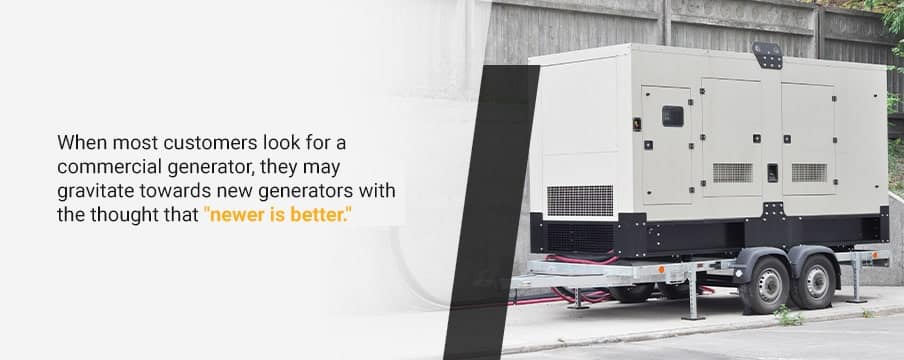
Credit: woodstockpower.com
Positioning The Generator
Proper generator positioning ensures safety and efficiency. Choose a stable, flat surface away from flammable materials. Maintain adequate clearance around the generator for ventilation and easy access.
Choosing Indoor Or Outdoor Placement
Decide if the generator will be inside or outside. Indoor placement needs good ventilation to avoid fumes. Outdoor placement should be sheltered from rain and snow. Both choices need a strong, stable surface.
Maintaining Safe Distance
Place the generator away from doors and windows. This keeps harmful gases out of the house. Keep at least 5 feet from any structure. This distance helps in preventing fire hazards.
Leveling The Base
The generator must sit on a level surface. Use a concrete pad or compacted gravel base. This helps the generator work better and last longer. Check the level with a tool before starting the generator.
Installing Fuel System
Begin by connecting the fuel line to the diesel generator securely. Ensure there are no leaks. Attach the fuel filter properly to prevent impurities.
Connecting Fuel Lines
Fuel lines are vital for the generator. Connect them securely to avoid leaks. Use the right tools for a tight fit. Make sure lines are not twisted. Check every connection carefully.
Securing Fuel Tank
The fuel tank must be stable. Place it on a level surface. Secure it with bolts or straps. Ensure it cannot move or tip over. A stable tank prevents spills and accidents.
Checking For Leaks
Leaks can be dangerous. Inspect all connections and fittings. Look for wet spots or smells. Tighten any loose parts immediately. Use a flashlight for better visibility.
Electrical Connections
Ensure the generator’s poweris off before starting. Connect the wiresto the transfer switch. Use the correct wire colors. Match the colors with the switch terminals. Double-check each connection is tight and secure. Loose wires can cause problems. Follow safety guidelines during this process.
Attach the generator cablesto the load panel. Make sure the connections are firm. This ensures the power flows correctly. Check the load requirements match the generator’s capacity. Overloading can damage the generator. Use a circuit breaker to protect the system.
Turn on the generator and transfer switch. Use a multimeterto test the output. Ensure the readings are within the expected range. Check for any unusual noises or smells. If everything is fine, the setup is complete. Regular testing ensures safety and performance.
Cooling And Exhaust Systems
Proper installation of cooling and exhaust systems ensures efficient diesel generator performance. Connect cooling components securely to prevent overheating. Attach exhaust systems tightly to manage emissions and maintain safety.
Installing Radiator And Fans
Place the radiatornear the generator to keep it cool. Attach the radiator securely to prevent any movement. Install fansto help in cooling the engine. The fans should face the radiator. This helps push the hot air away. Check that all connections are tight. Loose connections can cause problems.
Setting Up Exhaust Pipes
Connect the exhaust pipesto the generator’s exhaust outlet. Ensure the pipes are tightly sealed. This prevents leaks and keeps the area safe. Direct the pipes away from buildings and people. Hot gases should be far from living spaces. Use clamps to secure the pipes in place. Check for any leaks after installation.
Ensuring Proper Ventilation
Make sure the area has good ventilation. Open windows or vents to allow fresh air in. This helps remove hot air and fumes. Place the generator in a room with large openings. Avoid small, closed spaces. Good airflow is important for safety. It also keeps the generator running well.
Initial Startup And Testing
Begin by placing the diesel generator on a stable, level surface. Connect the fuel lines and battery securely. Test the generator by starting it with a small load, ensuring everything functions smoothly. Adjust settings as needed for optimal performance.
Priming The Engine
Make sure the fuel tank is full. Check all oil and coolant levels. Turn the fuel valve to “on” position. Prime the engine by pressing the fuel pump button. Wait until you hear fuel moving.
Starting The Generator
Turn the generator switch to “start” mode. Listen for the engine’s sound. If it doesn’t start, check connections. Ensure all wires are properly attached. After starting, let it idle for a few minutes.
Monitoring Performance
Check the generator’s gauges regularly. Watch temperature and fuel levels closely. Listen for strange noises. Adjust settings if necessary. Ensure it runs smoothly without interruptions. Record any issues for future reference.
Regular Maintenance Tips
Oil and coolant are important for the generator. Check the oil levelusing the dipstick. Make sure the oil is clean and not dark. Look at the coolant levelin the radiator. Top up if it’s low. Use the right type of oil and coolant for the generator.
Belts and hoses wear out over time. Check if belts are tight and not cracked. Look at hoses for any leaks or damage. Replace them if you find problems. Make sure everything is in good shape to avoid breakdowns.
Professional servicing is very important. Find a qualified technician for the job. They will check the generator deeply. Schedule servicing regularly to keep the generator running well. Professional servicing helps avoid big problems.

Credit: www.morganscloud.com

Credit: woodstockpower.com
Frequently Asked Questions
What Is A Downside Of Using Diesel Generators?
Diesel generators emit harmful pollutants, contributing to air pollution. They also require regular maintenance and can be noisy. Fuel costs may rise, increasing operational expenses. Additionally, diesel generators can have a higher initial purchase cost compared to other options.
What Size Diesel Generator Would You Need To Run A House?
To power a house, a 10-20 kW diesel generator is typically sufficient. Calculate your home’s total wattage needs first. Include essentials like lights, appliances, and HVAC systems. Ensure a generator size that covers surge power requirements for starting appliances. Consult a professional for precise calculations.
What Is The Abcd Checklist Of A Diesel Generator?
The ABCD checklist for a diesel generator includes: Air filter inspection, Battery condition check, Coolant level check, and Diesel fuel quality assessment. Regular maintenance ensures optimal performance and longevity.
How Do You Hook Up A Diesel Generator To Your House?
Install a transfer switch to connect your diesel generator to your house’s electrical system. Ensure compatibility with your generator. Turn off the main power supply before connecting. Use appropriate cables and follow the manufacturer’s instructions. Consult a licensed electrician for safety and compliance with local regulations.
Conclusion
Installing a diesel generator ensures reliable power for your needs. Follow each step carefully. Safety matters most during installation. A well-installed generator works efficiently and lasts longer. Regular checks and maintenance keep it running smoothly. Remember to consult professionals if needed.
They provide valuable guidance and support. Now you’re ready for unexpected power outages. Enjoy the peace of mind that comes with preparedness. With these tips, your generator will serve you well. Stay safe and power your world effectively.