Imagine a world where a sudden power outage no longer disrupts your day. Your lights stay on, your fridge keeps running, and your devices stay charged.
This is not a distant dream but a reality you can achieve by installing a home backup battery system. If you’ve ever wondered about the peace of mind and energy independence such a system can bring, you’re in the right place.
This guide will walk you through the steps of installation, ensuring you can take control of your home’s power needs with confidence. Stick with us, and you’ll discover how easy and rewarding it can be to enhance your home’s resilience against power interruptions.
Choosing The Right Battery System
Choosing the right battery system ensures effective home backup power. Consider battery capacity and compatibility with your home setup. Proper installation enhances safety and reliability.
Types Of Home Batteries
Home batteries come in different types. Lithium-ion batteries are popular and last long. Lead-acid batteries cost less but are heavier. Nickel-cadmium batteries are durable but can be expensive.
Capacity And Efficiency
Battery capacity is important. It tells how much energy a battery stores. Higher capacity means more power for your home. Efficiency matters too. Efficient batteries save more energy.
Cost Considerations
Cost is a big factor. Lithium-ion batteries cost more upfront but last longer. Lead-acid batteries are cheaper but need replacing often. Think about long-term savings when choosing.

Credit: www.ionixpro.com
Preparing Your Home For Installation
Ensure your home is ready for a backup battery system by clearing space and organizing electrical panels. Check for adequate ventilation and accessibility to enhance installation efficiency.
Assessing Energy Needs
Calculate how much energy your home uses daily. Look at your electricity bills. Total the kilowatt-hours used each month. Decide which appliances need backup power. Choose critical devices like refrigerators and lights. Estimate the duration of power outages in your area. Select a battery system that can handle your energy needs.
Safety Precautions
Ensure proper ventilation in the installation area. Avoid placing batteries near heat sources or water. Check for any electrical hazards in the vicinity. Use insulated tools for handling battery components. Wear safety gear like gloves and goggles during installation. Keep children and pets away from the setup area.
Space Requirements
Measure the area where the battery will be installed. Ensure the space is large enough for the battery system. Check accessibility for maintenance and repairs. Keep the area clutter-free for easy access. Plan for proper storage of related equipment like cables and connectors.
Gathering Necessary Tools And Materials
Gathering necessary tools and materials ensures a smooth installation of a home backup battery system. Prepare items like screwdrivers, wrenches, and the battery unit. Double-check that all components are in place before starting the installation process.
Essential Tools
You need some basic tools for this job. A screwdriver is important. Get both Phillips and flathead types. A drill helps make holes quickly. You will also need a voltage tester. It checks if wires have electricity. A wrench helps tighten bolts. Safety goggles protect your eyes.
Required Materials
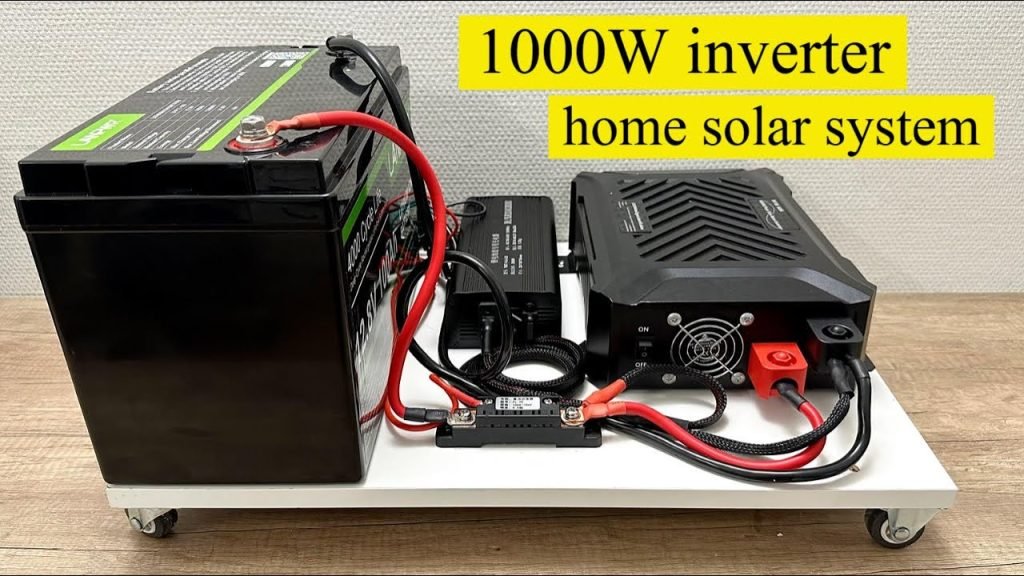
Batteries are the most important part. Choose ones that fit your system. You will need cables to connect everything. Connectors join the cables to the battery. Use mounting brackets to hold the battery. Insulation tape covers exposed wires. It stops electricity from leaking. A battery charger keeps the battery full.
Credit: southfacesolar.com
Installing The Battery System
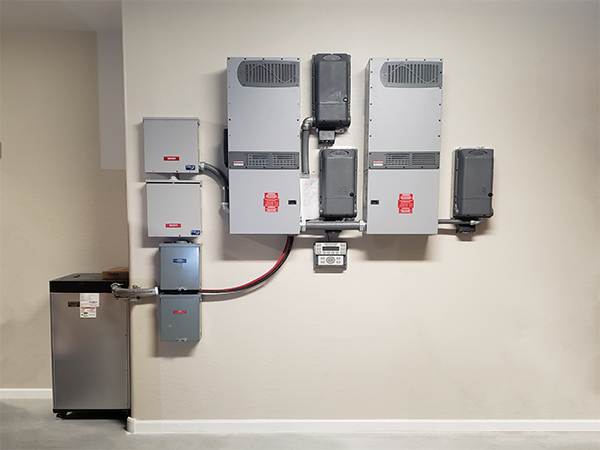
Choose a strong wall for mounting the battery. Use a drill to make holes. Screw the battery mount securely into the wall. Ensure the battery is placed correctly. It must not be tilted or loose. Check the instructions carefully for safety.
Locate the main power panel in your home. Turn off the power to avoid accidents. Connect the battery wires to the panel. Follow the color coding of wires. Ensure all connections are tight. Turn on the power to test the system.
Find the solar inverter in your setup. Connect the battery to the inverter. Use proper cables for connection. Ensure the solar panels are active. Check if the battery charges from solar energy. Monitor the system for any issues.
Setting Up The System Controller
The system controller is the brain of your backup battery. It manages all functions. Carefully read the manual before starting. Connect the controller to the battery. Ensure all connections are secure. Then, connect to your home’s electrical system. Use appropriate cables and tools. Follow safety instructions to prevent accidents. Test the system to ensure proper functioning. If unsure, seek professional help.
Configuring Settings
Open the controller’s settings menu. Set the preferred language first. Adjust the time and date accurately. Set the battery’s charge levels. Choose the power-saving mode for efficiency. Enter your energy provider information if needed. Save all changes before exiting. Double-check settings to avoid errors.
Monitoring Energy Usage
Keep an eye on energy consumption daily. The controller shows real-time data. Look for patterns in energy use. Adjust settings to save more energy. The display will show battery levels. Low levels mean it’s time to recharge. Use the information to plan energy use. Track changes over weeks and months.

Credit: www.youtube.com
Testing And Troubleshooting
Testing and troubleshooting ensure your home backup battery system works efficiently. Check connections and monitor battery performance regularly. Resolve errors promptly to maintain optimal functionality.
Initial Power-up
Turn on the backup battery system. Ensure all connections are secure. Check the display panel for error messages. Look at the battery charge level. Ensure the system starts without issues. Listen for unusual sounds. If problems arise, refer to the user manual.
Addressing Common Issues
- System not powering up:Check the power source and connections.
- Battery not charging:Inspect the battery connections. Verify the charge settings.
- Error messages displayed:Follow troubleshooting steps in the manual.
- Unusual sounds:Ensure all components are properly installed.
- Display not working:Confirm the panel connections are secure.
Maintaining Your Backup Battery System
Regular checks help keep your battery strong. Look for dirt or dust. Clean it with a dry cloth. Check connections often. Tighten loose wires safely. Listen for strange noises. They can mean trouble. Keep vents clear. Airflow is important.
Good care makes batteries last longer. Charge them properly. Avoid overcharging or deep discharges. Store them in a cool place. Heat can damage them. Follow user manuals for best practices. Replace old batteries when needed. This keeps the system efficient. Monitor performance with apps if available.
Frequently Asked Questions
How Much Does It Cost To Install A Whole Home Battery Backup System?
Installing a whole home battery backup system typically costs between $10,000 and $20,000. Prices vary based on battery capacity and installation complexity. Factors like brand, energy needs, and labor can affect total costs. Research and compare options to find the best fit for your home and budget.
How To Connect Battery Backup To House?
To connect battery backup to your house, install an inverter and battery system. Connect the inverter to your main electrical panel. Ensure proper wiring and circuit integration. Consult a professional electrician for safety and compliance with local regulations. Regular maintenance ensures efficient operation and longevity.
Is A 10kw Battery Enough To Run A House?
A 10kW battery can power a small house, depending on energy needs. It supports essential devices and lighting. Larger homes or high energy use may require more capacity. Efficient appliances and energy-saving habits enhance battery performance. Always evaluate your household’s specific energy requirements before deciding.
How Big Of A Battery Backup Do I Need For My House?
Calculate your home’s daily energy usage in kilowatt-hours. Choose a battery backup matching your energy needs. Consider factors like power outages, essential appliances, and future energy goals. Consult an expert for precise sizing. A typical home may need a 10-20 kWh battery system.
Conclusion
Installing a home backup battery system ensures reliable power during outages. It’s an investment in safety and convenience. Start with understanding your power needs. Choose the right battery system that fits your home. Follow the installation steps carefully for best results.
Always remember safety first. Professional help can be useful for complex setups. Regular maintenance keeps your system running smoothly. This way, you enjoy peace of mind, knowing your home is prepared. Backup power is a smart choice for any household.
Stay powered, stay safe.