
Are you ready to take control of your home’s power during an outage? Installing a manual transfer switch is the key to safely and easily switch between your main power and a backup generator.
Imagine never worrying about sudden blackouts again. This guide will walk you through every step, making the process simple—even if you’re not an expert. By the end, you’ll have the confidence to keep your lights on and your family safe no matter what.
Keep reading to learn how to install a manual transfer switch quickly and securely.
Preparing For Installation
Choosing the right transfer switch is key. Select one that matches your generator’s powerand your home’s electrical load. Make sure it has enough circuits for your needs and is compatiblewith your setup.
Gather tools like screwdrivers, wire strippers, voltage testers, and a drill. Materials include the transfer switch, electrical wires, conduit, and mounting hardware. Having everything ready helps the job go smoothly.
Safety is very important. Turn off the main power before starting. Use insulated tools and wear protective gloves and glasses. Double-check that no wires are live before handling them. Follow all local electrical codes to stay safe.

Credit: www.reddit.com
Locating The Transfer Switch
Choose a location near your main electrical panel for easy access. The spot should be dry and free from dust or water. Make sure there is enough space around the switch for safe operation and maintenance. Avoid placing it in tight or hard-to-reach areas.
Local codes and rules guide where and how to install the switch. These rules keep your home safe and meet legal standards. Check with your city or local building office before starting. Following these rules helps avoid fines and problems later.
| Local Code | Importance | Tip |
|---|---|---|
| Distance from Panel | Ensures easy wiring and access | Keep switch close to main panel |
| Weather Protection | Protects from moisture and damage | Install indoors or in a covered area |
| Clearance Space | Allows safe operation and repairs | Leave enough room around the switch |
Turning Off Power
Before starting, it is crucialto turn off the main power supply. This step ensures safety while working with electrical components. Locate the main circuit breaker in your home’s electrical panel and switch it to the offposition.
After shutting down, confirm that the power is off. Use a voltage tester or a multimeter on the panel to check for any live current. Test multiple points to be sure. Never assume the power is off without checking.
- Switch off the main breaker.
- Use a voltage tester on the panel wires.
- Check lights and appliances to confirm no power.
- Wear insulated gloves for extra protection.
Mounting The Transfer Switch
Find a strong wall near the main power source. Use the transfer switch as a template. Mark the spots where screws will go. Make sure marks are level and spaced correctly. Double-check the marks before drilling.
Drill holes at the marked points. Use wall anchors if needed for extra support. Align the switch with the holes. Secure it tightly with screws. The switch should not move or wobble.
Wiring The Transfer Switch
Connect the transfer switch wires to the main electrical panelcarefully. Turn off the main power before starting. Use a screwdriver to attach the wires from the transfer switch to the correct breakers. Match the wires by color: black to black, white to white, and green to ground. Make sure connections are tight to avoid sparks or loose wires.
Attach the generator wires to the transfer switch. Use proper cable size to handle the power load. Connect the hot wires to the switch terminals and the neutral wire to the neutral bar. Ensure all connections are secure to prevent power loss during use.
Grounding is important for safety. Connect the grounding wire from the transfer switch to a grounding rod or metal water pipe. This protects against electric shock and equipment damage. Check local codes for grounding rules.
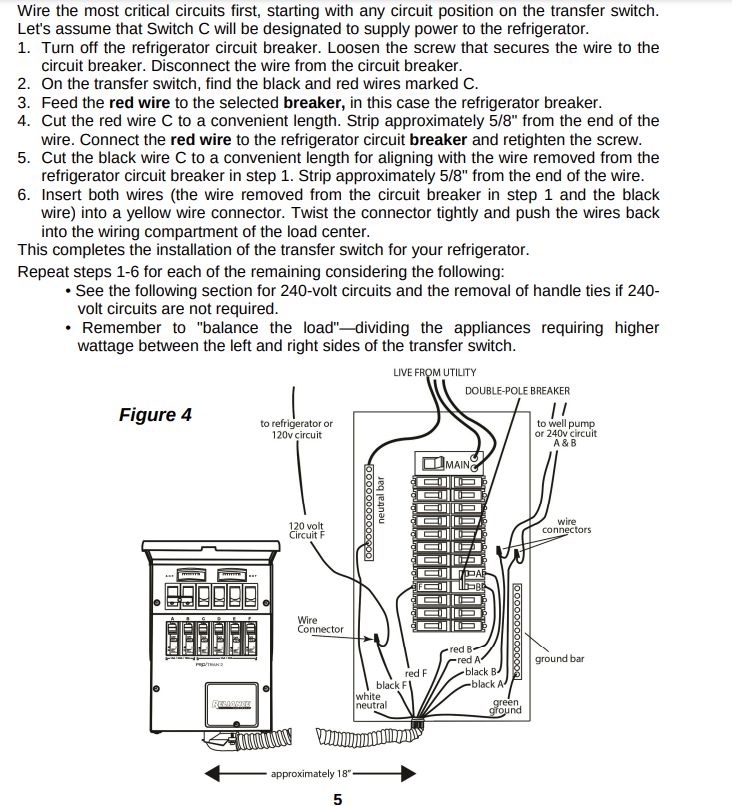
Credit: www.doityourself.com
Testing The Installation
Restore power by first ensuring the main power source is off. Turn the generator on. Then, flip the manual transfer switch to the generator position. Check if the power is running properly to your home circuits. Always use a voltage tester to confirm safe power flow.
Switching between power sources requires care. Turn off the main power source before switching. Flip the transfer switch to the desired power source position. Wait a few moments to let the system stabilize. Never switch power sources without turning off the main breaker.
| Common Issue | Possible Cause | Fix |
|---|---|---|
| No Power to Load | Switch not fully in position | Move the switch firmly to correct side |
| Generator Won’t Start | Low fuel or battery | Refuel or recharge battery |
| Power Fluctuations | Loose wiring connections | Tighten all wire terminals |
Maintenance Tips
Regular inspection is key to keeping the manual transfer switch working well. Check for any loose connectionsor signs of wear and tear. Look for corrosionon terminals and wires. Make sure all components are clean and dry.
Ensuring proper operation means testing the switch regularly. Switch it from utility powerto generator powerand back. This helps confirm the switch moves smoothly and safely. Watch for any unusual noisesor resistance.
- Inspect the switch at least twice a year.
- Keep the area around the switch free of dustand debris.
- Replace any damaged parts immediately.
- Use a non-contact voltage testerto check for live wires safely.

Credit: www.dabbsson.com
Frequently Asked Questions
What Is A Manual Transfer Switch Used For?
A manual transfer switch safely transfers power from your generator to your home. It prevents backfeed, protecting utility workers and your equipment.
How Do I Connect A Manual Transfer Switch?
Connect the switch between your main electrical panel and your generator. Ensure all power sources are off before wiring for safety.
Can I Install A Manual Transfer Switch Myself?
Yes, if you have electrical experience. Always follow local codes and consider hiring a licensed electrician to ensure safety and compliance.
How Much Does Installing A Manual Transfer Switch Cost?
Installation costs vary but typically range from $500 to $1,500. Costs depend on switch type, labor, and panel complexity.
Conclusion
Installing a manual transfer switch is a smart safety step. It ensures power during outages. With clear steps, you can do it yourself. Always prioritize safety. Double-check connections before using. Turn off the main power before installation. Follow these guidelines closely.
Consult the manual for specific models. A manual transfer switch offers peace of mind. Keeps your home functional in emergencies. Investing time now saves trouble later. Enjoy the benefits of reliable power. Stay safe and prepared with this essential tool.