
Imagine never worrying about power outages again. Think about reducing your electricity bills and helping the environment, all at the same time.
Installing a solar generator can turn these dreams into reality. You might wonder if this is too complex or costly for you. But guess what? It’s more straightforward and affordable than you think. This guide will walk you through each step, making the process easy and understandable.
Are you ready to discover how you can harness the sun’s energy and power up your life? Let’s dive in!
Choosing The Right Solar Generator
First, find out how much energy you use. Check your appliances. Note their power needs. Add them up. This is your total energy need. Solar generators have different capacities. Pick one that meets your needs. Consider future use too. Maybe you want more power later. Plan wisely.
Generators have different features. Check battery storage. Bigger batteries last longer. Look at portability. Some are easy to carry. Others are heavy. Think about charging options. Can you charge with AC power? Or only solar panels? Look at extra ports. More ports mean more devices. Choose what suits you.
Solar generators come at different prices. Set a budget first. Check what’s available in your range. Sometimes, cheaper isn’t better. Look for deals, but focus on quality. Buying a good one saves money in the long run. Balance cost with features. Make a smart choice.
Preparing For Installation
Choosing the right spot is very important. Pick a place with plenty of sunlight. Avoid areas with trees or tall buildings. Ensure the ground is stable and flat. This helps the solar generator stay safe. Easy access is also key. You will need to check it often. Make sure the site is close to where you need power. This reduces cable length.
Safety is always first. Wear gloves to protect your hands. Use goggles to shield your eyes. Check the tools before using them. Ensure they are in good condition. Keep children and pets away from the area. This helps prevent accidents. Be aware of your surroundings. Watch out for cables and cords.
Collecting the right tools is crucial. Here’s a list of tools you might need:
- Drill
- Screwdriver set
- Wrench
- Measuring tape
- Level
- Safety gloves and goggles
Having these tools handy makes the job easier. Ensure they are clean and ready to use. This speeds up the installation process.
Setting Up The Solar Panels
Choose a spotwith lots of sun. The roof or open yard is best. Face the panelstoward the south if you can. This direction catches the most sun. Avoid shadowsfrom trees or buildings. Shadows can block sunlight and reduce power. Check the sun’s path during different times of the day.
Use strong brackets to keep panels in place. This prevents the wind from moving them. Check that each panel is tight and stable. Secure all screwsand bolts well. Loose parts can make the panel fall. Safety is important, so be careful on ladders. It is better to have help when doing this task.
Link the panelswith special cables. These cables carry the power. Make sure the cables are safeand dry. Connect cables to the right spots on the generator. Check all connections are tight. This helps the power flow smoothly. Now, your generator can start making electricity.

Credit: www.youtube.com
Installing The Battery Bank
Batteries need a dry and safe spot. Keep them away from heat. Ensure they are level on the ground. Avoid placing them near water. Pick a spot with easy access. Safety first is important when choosing the location.
Connect batteries using the right cables. Use connectors that fit tight. Red cables connect to positive spots. Black cables go to negative ones. Make sure all cables are tight. This stops loose connections. Loose connections can cause problems.
Batteries need air to stay cool. Good airflow is important. Leave space around the batteries. This helps air move freely. Avoid closed boxes for storage. Good ventilation keeps batteries safe. It prevents overheating and damage.
Connecting The Inverter
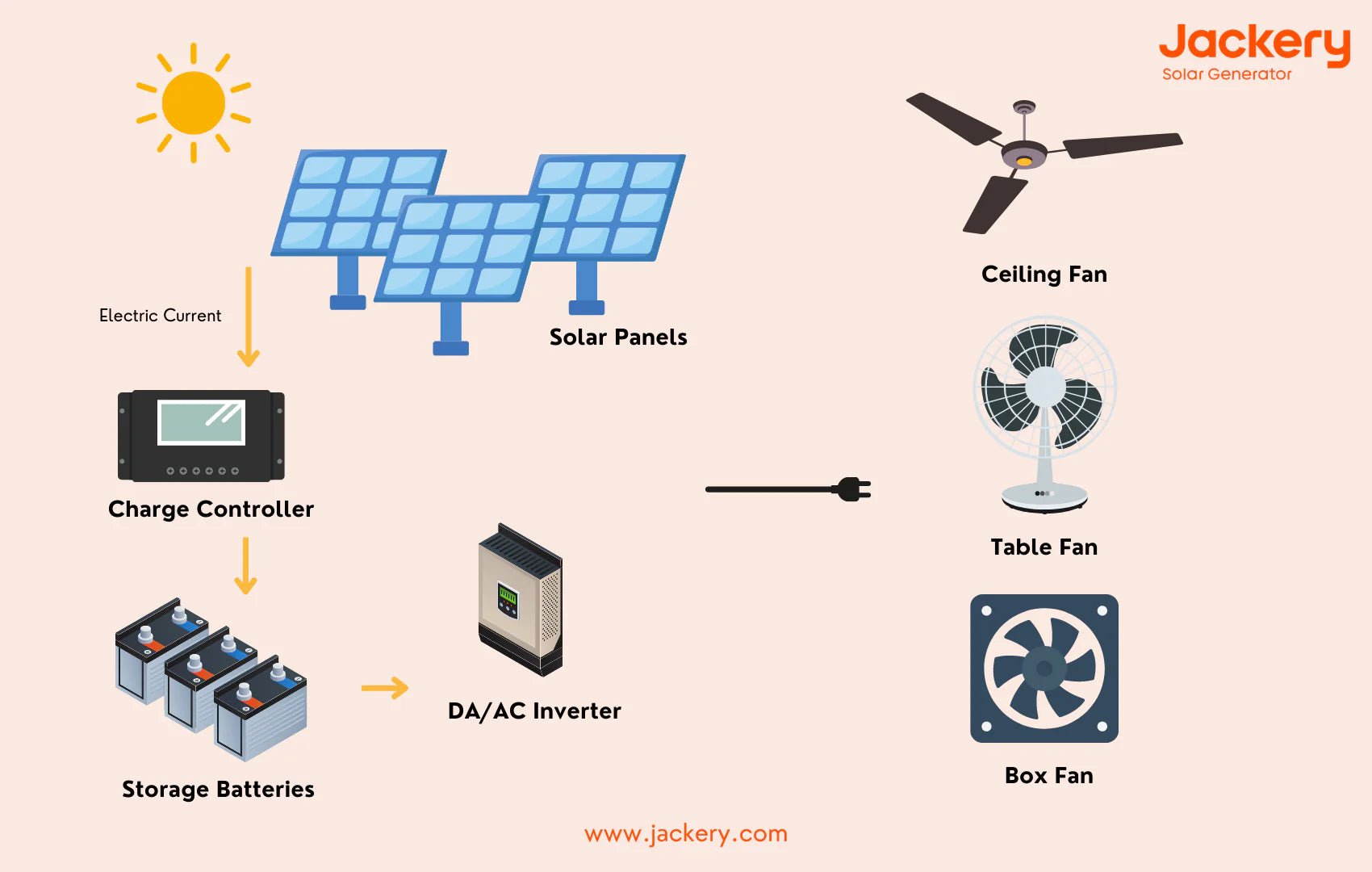
Connect the inverter to the solar generator for efficient energy conversion. Ensure the inverter is securely attached and properly aligned. This step allows the solar power to be utilized effectively in your home.
Selecting Inverter Type
Choosing the right inverter typeis essential. There are mainly two types: pure sine waveand modified sine wave. Pure sine wave inverters are better for sensitive devices. They are usually more expensive. Modified sine wave inverters are cheaper. They work well for simple electronics. Understand your needs before buying.
Wiring The Inverter
Ensure the inverter is turned off. Connect the battery to the inverter using proper wires. Use thick cablesto prevent overheating. Positive and negative terminals should be connected correctly. Secure the wires to avoid loose connections. Follow the manufacturer’s instructionsfor wiring details.
Testing Inverter Functionality
Plug in a simple device to test the inverter. Turn on the inverter and check if the device works. Look for any error lightsor beeping sounds. Ensure the inverter does not get too hot. If problems occur, check the wiring again. Verify all connections are secure.
Credit: www.jackery.com
Final Checks And Testing
Start by checking all cables and connections. Ensure there are no loose wires. Look for any visible damage. Verify the solar panels are clean. Dust can reduce their efficiency. Check the battery for any leaks. A leaking battery can be dangerous. Make sure all switches are in the correct position. The generator should be securely mounted.
Turn on the solar generator. Observe if the lights or indicators function properly. Confirm the battery is charging. Use a multimeter to measure voltage. Compare readings with expected values. Test the generator under a load. Connect a small appliance. See if it powers on correctly. This shows the generator works well.
- If the generator doesn’t start, check the power switch.
- Ensure the battery terminals are clean.
- If charging is slow, clean the solar panels.
- Check for software updates if applicable.
- Consult the manual for specific error codes.
Maintenance And Care
Installing a solar generator involves choosing a sunny spot and securing the panels. Connect the generator to the panels carefully. Ensure all connections are tight and check for any damage regularly.
Regular Cleaning
Solar generators need regular cleaningto work well. Dust and dirt can block the sun’s rays. Use a soft cloth to wipe the panels. Do this every month. Keep the panels free from debrislike leaves. Clean with water if needed. Avoid using harsh chemicals.
Battery Maintenance
The battery is important for storing power. Check the battery for any damage. Look for leaks or corrosion. Keep the battery connections tight. A weak connection can cause problems. Charge the battery regularly. This keeps it healthy and ready to use.
Monitoring System Performance
Watch the system’s performance closely. Look at the display screen often. It shows how much energy is being made. Check if all parts are working properly. If something seems wrong, fix it quickly. Regular checks ensure everything is running smoothly.

Credit: www.youtube.com
Frequently Asked Questions
How Do You Hook Up A Solar Generator To Your House?
Connect the solar generator to your home’s electrical panel using a transfer switch. Ensure compatibility and safety by consulting a licensed electrician. Install solar panels and batteries if not included. Follow manufacturer instructions for proper setup. Regularly maintain and monitor for efficient energy use and safety compliance.
How Long Will A 1000 Watt Solar Generator Run A Refrigerator?
A 1000-watt solar generator can run a refrigerator for about 6 to 10 hours. This depends on the refrigerator’s energy consumption and the generator’s battery capacity. Always check the appliance’s wattage and the solar generator’s specifications for precise calculations.
How Much Does It Cost To Install A Solar Generator?
Installing a solar generator typically costs between $1,000 to $5,000. Prices vary by size, brand, and installation complexity. Factors like location and energy needs affect costs. Always consult professionals for precise estimates tailored to your requirements. Investing in solar can reduce long-term energy expenses and promote sustainability.
How Big Of A Solar Generator Do You Need To Power A House?
To power a house, a solar generator should have at least 5,000 watts capacity. Calculate energy needs based on appliances and usage. Consider battery storage for nighttime use. Consult with a solar expert for precise requirements tailored to your home and lifestyle.
Conclusion
Installing a solar generator is simple. Follow these steps for success. Begin by choosing the right spot. Ensure it gets plenty of sunlight. Gather all necessary tools before starting. Connect components carefully. Double-check connections for safety. Test your generator after installation.
Make sure it works well. Regular maintenance keeps it efficient. Clean panels often. Inspect wires for wear. Enjoy reliable, green energy. Reduce your carbon footprint. Save on electricity bills. A solar generator provides peace of mind. Power your home sustainably.
Embrace solar energy today. It’s a smart choice for the future. Feel empowered with renewable energy.