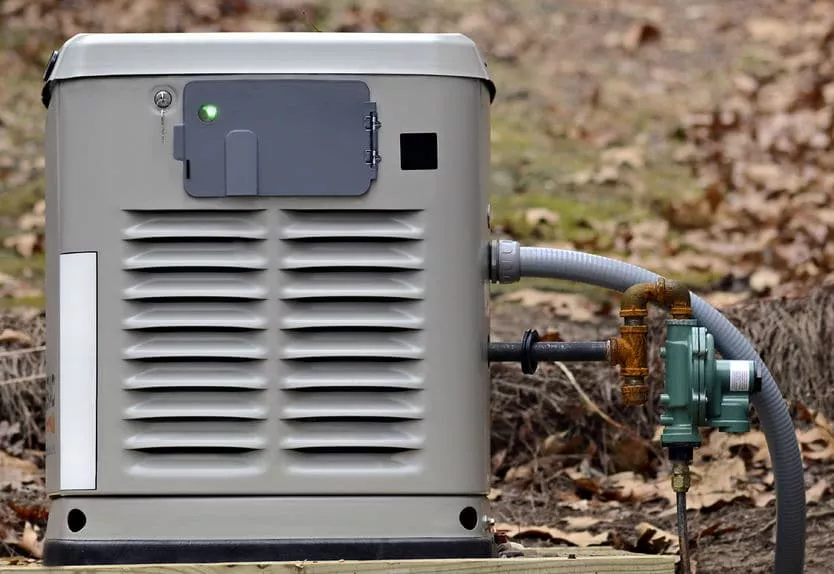
Imagine a world where power outages don’t disrupt your life. No more spoiled food in the fridge, no interruptions during your favorite TV shows, and no worries about your home security system going offline.
Sounds great, right? That’s the peace of mind a whole house standby generator can offer you. If you’ve ever wondered how to install a whole house standby generator, you’re in the right place. This guide will walk you through the steps, so you can ensure your home stays powered up when the grid goes down.
Stay with us and discover how to protect your home and family effortlessly.
Choosing The Right Generator
Start by calculating your home’s power needs. Check all appliances and systems that need backup power. Add their wattage to find total demand. This ensures you pick a generator that can handle the load.
Standby generators come in several types. Air-cooled models are smaller and quieter, ideal for small homes. Liquid-cooled units are bigger and more powerful, fit for large homes or businesses.
| Fuel Type | Pros | Cons |
|---|---|---|
| Natural Gas | Continuous fuel supply, clean burning | Requires gas line connection |
| Propane | Long shelf life, portable | Needs tank refills |
| Diesel | High power, fuel efficient | Noisy, needs storage space |

Credit: www.angi.com
Preparing For Installation
Choose a dry and level spotfor the generator. It should be close to your main electrical panel and fuel source. Make sure the location allows easy access for maintenance and has good airflow.
Check local permits and regulationsbefore installation. Different areas have rules about noise, placement, and safety. Contact your city office or a professional to get the right permits.
| Tools Needed | Materials Needed |
|---|---|
|
|
Setting Up The Generator Base
A solid foundationis key for a whole house standby generator. The base must support the generator’s weight without shifting or cracking.
Concrete pads are the most common choice. They should be level and smoothto keep the generator stable. The size should match or exceed the generator’s footprint to prevent overhang.
Proper drainage is essential to avoid water pooling. The pad should be slightly raised or sloped away from the house. Use gravel or a drain system around the pad if needed.
| Foundation Requirement | Details |
|---|---|
| Material | Concrete, at least 4 inches thick |
| Size | Equal or larger than generator base |
| Level | Must be flat and even |
| Drainage | Pad raised or sloped away; use gravel if needed |
Installing The Generator
Position the generatoron a flat, stable surface outside your home. Keep it at least 5 feet awayfrom windows and doors. This allows for proper air flow and safety. Make sure the spot is easy to access for maintenance and refueling.
For connecting fuel supply, use approved fuel lines. Natural gas or propane lines must be secure and leak-free. A professional should check the connections to avoid risks. Never use old or damaged hoses.
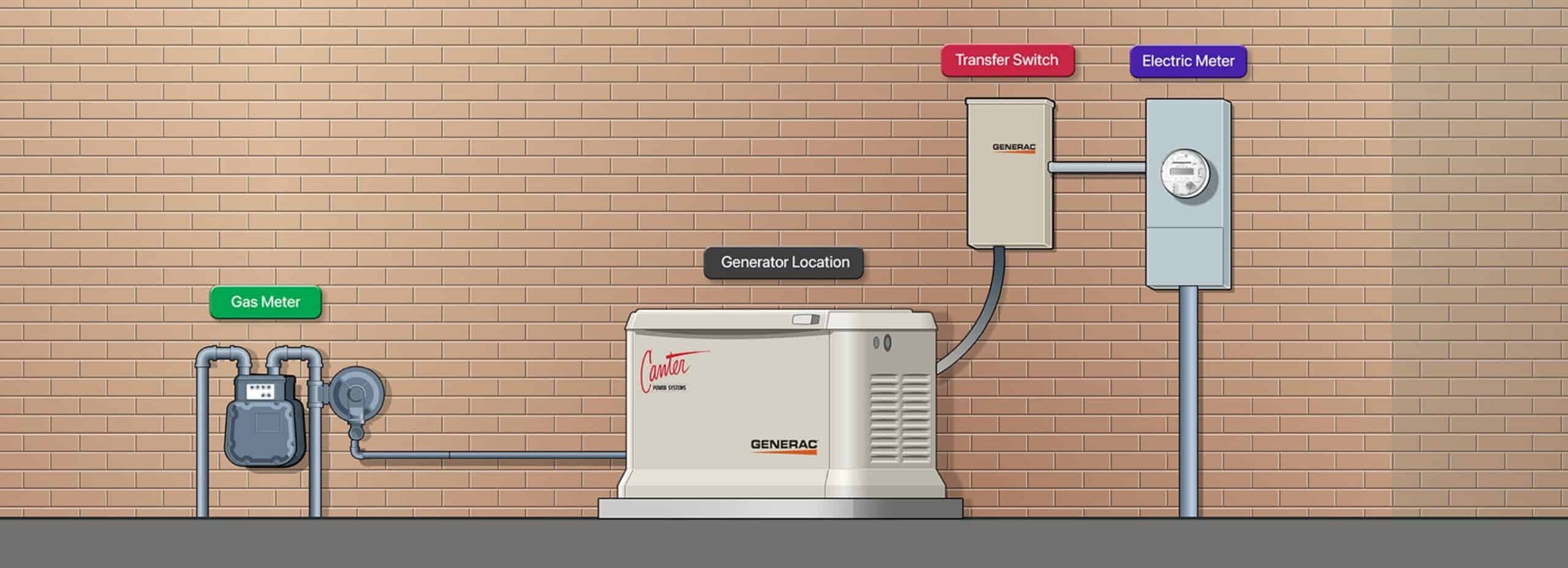
Electrical connections should link the generator to your home’s main panel. Use a transfer switch to safely switch power from the grid to the generator. All wiring must follow local codes. Hiring a licensed electrician is best for safety and code compliance.
Wiring The Transfer Switch
Find the main electrical panelin your home. It is usually near the electric meter or in a utility room. Make sure the panel is easily accessible and has enough space around it. The transfer switch needs to be close to this panel for easier wiring.
The transfer switchshould be mounted on a sturdy wall near the main panel. Use screws and anchors to secure it firmly. Keep it at a height that is easy to reach for maintenance and inspection. Avoid places with moisture or extreme heat.
- Turn off power at the main breaker before starting.
- Install circuit breakers inside the transfer switch box.
- Connect each breaker to the wires leading to the circuits you want to back up.
- Use correct wire sizes to handle the load safely.
- Double-check all connections for tightness and proper placement.
Credit: canterpowersystems.com
Testing The System
Start the generator according to the manual instructions. Let it run for a few minutes. Check for any unusual sounds or vibrations. Observe the control panel for error messages or warnings. Make sure the generator switches to standby mode smoothly.
To simulate a power outage, turn off the main power supply. The generator should start automatically within seconds. Confirm it powers the house without interruption. Turn the main supply back on to test automatic shutoff.
| Common Issue | Possible Cause | Simple Fix |
|---|---|---|
| Generator won’t start | Low fuel or battery | Refuel or charge battery |
| Fails to switch to standby | Faulty transfer switch | Check or replace switch |
| Unusual noise | Loose parts or debris | Tighten parts, clean area |
| Power fluctuations | Improper wiring | Inspect and fix wiring |
Maintenance Tips
Regular inspection keeps the generator ready and safe. Check for leaks, cracks, or loose parts. Clean debris and dust from the unit. Test the automatic transfer switch monthly to ensure it works. Listen for unusual noises during operation.
Fuel system care is essential for smooth running. Use fresh fuel and replace old fuel every six months. Check fuel lines for cracks or leaks. Clean or replace fuel filters as recommended. Store fuel in a cool, dry place.
Battery and electrical checks prevent start-up problems. Inspect battery terminals for corrosion and clean if needed. Test battery voltage regularly. Replace batteries every 2-3 years. Check wiring connections and tighten loose ones.

Credit: aquariushomeservices.com
Frequently Asked Questions
What Tools Are Needed To Install A Whole House Generator?
You need a generator transfer switch, wiring tools, conduit, mounting hardware, and safety gear. Basic electrical tools like pliers, screwdrivers, and a multimeter are essential. Always use proper safety equipment and follow local electrical codes for a safe installation.
How Long Does Whole House Generator Installation Take?
Installation usually takes 1 to 2 days. Time varies based on home size, generator type, and complexity. Professional installation ensures proper setup and compliance with safety standards. Planning the process helps minimize downtime during power outages.
Can I Install A Standby Generator Myself?
DIY installation is possible but not recommended. It requires electrical expertise and permits. Improper installation risks safety and may void warranties. Hiring a licensed electrician ensures code compliance and reliable generator performance.
What Fuel Types Do Standby Generators Use?
Standby generators commonly use natural gas, propane, or diesel. Natural gas and propane are cleaner and easier to store. Diesel is powerful but requires more maintenance. Choose fuel type based on availability, cost, and home needs.
Conclusion
Installing a whole house standby generator keeps your home powered during outages. Follow safety steps and local rules for best results. Regular maintenance helps your generator work well over time. Choose the right size to meet your home’s needs. With careful setup, you can avoid common problems and enjoy peace of mind.
A standby generator gives comfort and security when power fails. Take your time and double-check each step for success. Ready to stay powered no matter what?