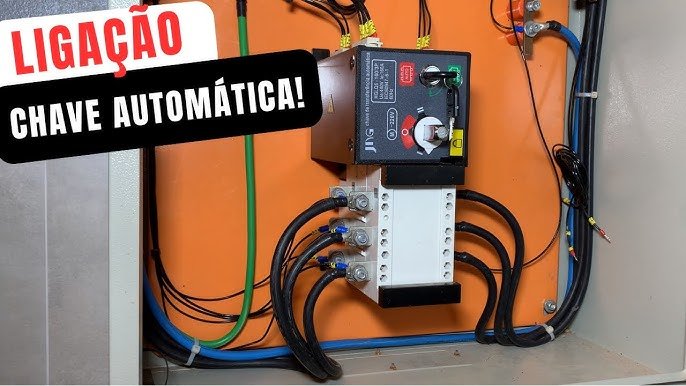
Are you ready to take control of your home’s power during outages? Installing an automatic transfer switch (ATS) is the key to seamless energy backup.
Imagine never worrying about flipping switches or losing power when it matters most. In this guide, you’ll learn simple, step-by-step instructions to install your own ATS safely and efficiently. Whether you’re a beginner or have some experience, this article will help you get it done right.
Keep reading to discover how to protect your home and enjoy uninterrupted power with ease.
Tools And Materials Needed
Installing an automatic transfer switch requires some basic toolsand materials. Safety gear like insulated glovesand safety glassesis important to protect yourself.
- Screwdrivers(flathead and Phillips) for panel access
- Wire strippersto prepare wires
- Voltage testerto check power status
- Drillwith bits for mounting
- Wrenchesand pliers for tightening
- Automatic transfer switchunit
- Electrical cablessuitable for your generator and main power
- Conduitfor protecting cables
- Mounting hardwarelike screws and anchors
Ensure all materials meet local electrical codes. Proper tools help make the job safe and smooth.
Safety Precautions
Turn off all power sourcesbefore starting the installation. This prevents electric shock or injury.
Wear insulated gloves and safety glassesfor protection. Use tools with insulated handles only.
Check that the area is dry and clean. Water or dampness can cause accidents.
Use a voltage tester to confirm no electricity flowsin wires before touching them.
Follow all local electrical codes and guidelines strictly. This ensures safe and legal installation.
Keep children and pets away from the work area. It helps avoid distractions and accidents.
- Label all wires clearly to avoid confusion.
- Do not work alone; have someone nearby for help.
- Read the transfer switch manual carefully before starting.
Choosing The Right Transfer Switch
Automatic transfer switchescome in different types. The main ones are manualand automatic. Manual switches need you to flip a switch yourself. Automatic switches do this job on their own. They sense power loss and switch to backup power fast. Some switches work for whole housepower. Others work only for specific circuits. Choose a type based on your needs and budget.
Sizing the switchis very important. Pick one that handles the total power your home or building uses. This means checking the total wattageof your devices. The switch should have a higher ratingthan your total load. Too small, and it won’t work well. Too large, and it may cost more than needed. Always check the generator sizetoo. Both must match for safe operation.
Preparing The Installation Site
Choose a dry, accessible, and well-ventilatedlocation for the switch. Avoid areas exposed to water or extreme heat. The site should allow easy access for maintenance and inspection.
Check the distance to the power sources. The transfer switch must connect easily to both the main power and the generator. Shorter distances reduce wiring costs and power loss.
| Power Source | Assessment Points |
|---|---|
| Main Power |
|
| Generator |
|
Disconnecting Power
Turn offthe main power supply before starting any work. This prevents electric shockand injury. Locate the main breakerin your electrical panel and switch it to the “off” position. Verify that the power is completely disconnectedby using a voltage tester on the wires you will work with.
Always wear insulated glovesand use tools with insulated handles. Keep the area dry and clear of any water or dampness. Never touch wires directly until you confirm power is off. Safety is key.
- Switch off main breaker.
- Use voltage tester on wires.
- Wear insulated gloves and tools.
- Ensure the workspace is dry.
- Confirm no power before touching wires.

Credit: www.youtube.com
Mounting The Transfer Switch
Choose a dry, sturdy wall near the main power source. The transfer switch must be close to the generator and your home’s main panel. Check the wall for studs to securely mount the switch. Use a level to keep the switch straight. Mark the drill holes carefully to avoid mistakes. Make sure there is enough space for wiring behind the switch. The area should be free of dust and moisture. Avoid places with direct sunlight or heat sources. Use proper screws and anchors for a firm hold. Safety first: wear gloves and goggles during installation. Ensure the switch is mounted at a comfortable height for easy access. Double-check the position before drilling to prevent damage.
Wiring The Transfer Switch
Connect the transfer switch wires to the main power panel carefully. Turn off the main breaker before starting. Use the correct wire size for safety. Attach the wires to the main breaker terminals. Secure all connections tightly to avoid loose contacts.
Link the transfer switch to the generator output. Use a generator-compatible cable. Connect the wires to the generator terminals properly. Check that the wires match the labeled terminals. Always follow the manufacturer’s wiring diagram.
| Grounding Requirements | Description |
|---|---|
| Ground Wire | Must connect to the grounding bus bar in the main panel. |
| Generator Ground | Connect the generator frame to the grounding system. |
| Bonding | Ensure neutral and ground are bonded only at one point. |
| Safety | Proper grounding prevents electrical shocks and damage. |

Credit: www.youtube.com
Testing The Transfer Switch
Before starting the transfer switch, check all wiring connections. Turn on the main power to the switch. Watch for any unusual sounds or smells. The switch should power up smoothly without errors.
To test, simulate a power outage by turning off the main power supply. The transfer switch must detect the outage quickly. It should transfer power from the generator within seconds. This ensures your home stays powered without delay.
- Turn off main power supply.
- Observe the switch transfer to generator power.
- Check if all connected devices receive power.
- Turn main power back on to switch back.
Troubleshooting Common Issues
Check the power sourcefirst. Make sure the main power and generator are on.
Inspect the connectionsfor loose wires or corrosion. Tighten or clean them as needed.
Look at the transfer switch control panel. Reset or replace any blown fuses.
If the switch does not transfer power, test the voltage outputusing a multimeter.
Listen for unusual noises. Buzzing or clicking sounds can mean a mechanical problem.
Check the battery backupif the switch has one. Replace weak batteries.
Keep the switch free of dust and moistureto avoid faults.
- Ensure the switch matches the generator and load requirements.
- Verify the control settings are correct for your setup.
- Consult the user manual for error codes or indicator lights.
Maintenance Tips
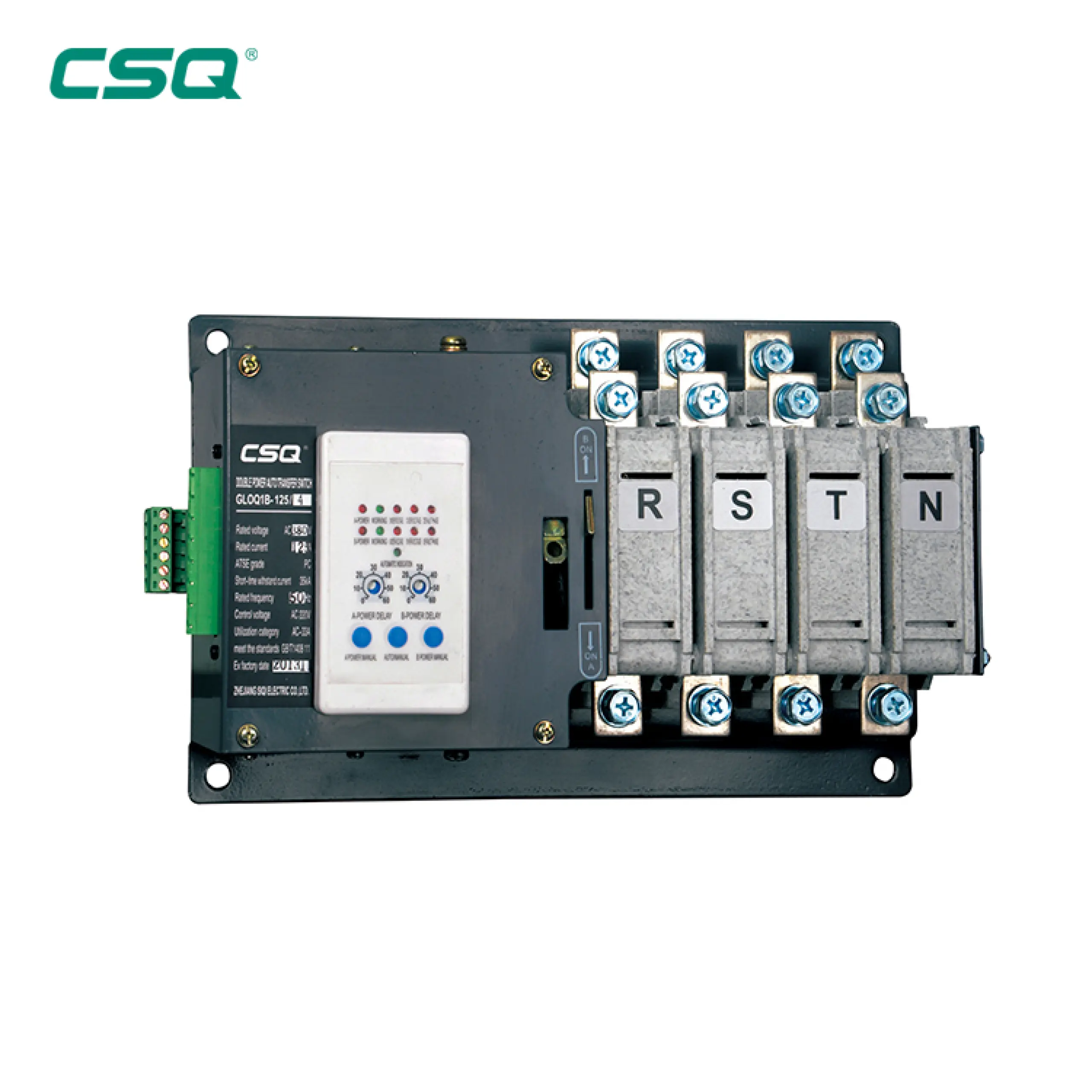
Regular checks keep the automatic transfer switchworking well. Look for any signs of wear or damageon wires and connections. Tighten loose screws and clean dust from the switch parts. Test the switch to ensure it moves power smoothly between sources.
Keep the switch dry. Moisture can cause rust and electrical problems. Use a soft clothto clean the exterior. Avoid using water or harsh chemicals. Check the battery backupif your switch has one. Replace old batteries to keep it ready for power loss.
- Inspect the switch every 6 months
- Test transfer operation during scheduled maintenance
- Replace damaged wires immediately
- Keep the area around the switch clean and dry
Credit: www.csqelectric.com
Frequently Asked Questions
What Is An Automatic Transfer Switch (ats)?
An automatic transfer switch (ATS) is a device that switches power between a primary source and a backup generator automatically. It ensures seamless power supply during outages without manual intervention, improving safety and convenience.
How Do You Install An Automatic Transfer Switch?
To install an ATS, turn off all power, connect the switch between the main power and generator, and follow the manufacturer’s wiring instructions carefully. Always ensure compliance with local electrical codes and consider hiring a professional electrician.
What Tools Are Needed To Install An Ats?
Essential tools include a screwdriver, wire stripper, voltage tester, drill, and safety gear. Proper tools ensure accurate wiring and secure installation, reducing risks and improving system reliability.
How Long Does Ats Installation Usually Take?
Installation typically takes 2 to 4 hours depending on the system complexity and installer experience. Proper planning and preparation can speed up the process and ensure a smooth setup.
Conclusion
Installing an Automatic Transfer Switch ensures seamless power transitions. It boosts your home’s safety during outages. Follow each step carefully to avoid mistakes. Always prioritize safety and consult a professional if unsure. This installation enhances convenience and reliability. With your new switch, power interruptions become less stressful.
You’ll enjoy peace of mind knowing your home stays powered. Regular maintenance keeps it functioning well. Remember, preparation is key for a smooth setup. Now, you’re ready to tackle power outages confidently. Stay safe and enjoy uninterrupted power!