
Are you tired of power outages disrupting your daily life? Installing a Generac standby generator might be the perfect solution for you.
Imagine never having to worry about sudden blackouts again, and enjoying uninterrupted power at home or work. In this guide, we’ll walk you through the simple steps of installing a Generac standby generator. Whether you’re a seasoned DIY enthusiast or just getting started, this article will provide you with all the information you need.
You’ll discover how easy it can be to ensure your home or business is always powered, offering you peace of mind and security. So, are you ready to take control of your power supply and enhance your comfort? Keep reading to find out how you can make it happen.
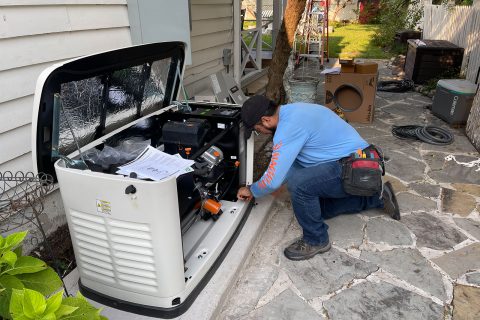
Credit: greatbrotherelectrical.com
Preparing For Installation
Choose a location for the Generac generator that is flat and stable. It must be outdoors, away from windows and doors. Keep it at least 5 feet from the house for safety. Avoid places with heavy dust or poor air flow.
Gather all tools before starting. Common tools include:
- Wrenches and screwdrivers
- Level to check the ground
- Electrical tape and wire cutters
- Safety gloves and goggles
- Concrete pad or mounting base
Read the safety rules carefully. Turn off power before working. Never touch live wires. Keep children and pets away. Follow local codes and permits to avoid fines.
Setting Up The Generator Base
Start by choosing a flat and solid spot for the generator base. The ground must support the generator’s weight without sinking.
Clear the area around the base to keep enough space for air to flow and for maintenance. Leave at least 3 feet of clearance on all sides.
Use a level tool to check the ground. The base should be perfectly level to avoid problems later.
- Remove rocks, roots, and debris from the site.
- Compact the soil to prevent shifting.
- Consider using a concrete pad or gravel bed for stability.
Connecting The Fuel Supply
Generac standby generators use different fuel types. Common options are natural gas, propane, and diesel. Choose the fuel type that matches your home setup and local rules.
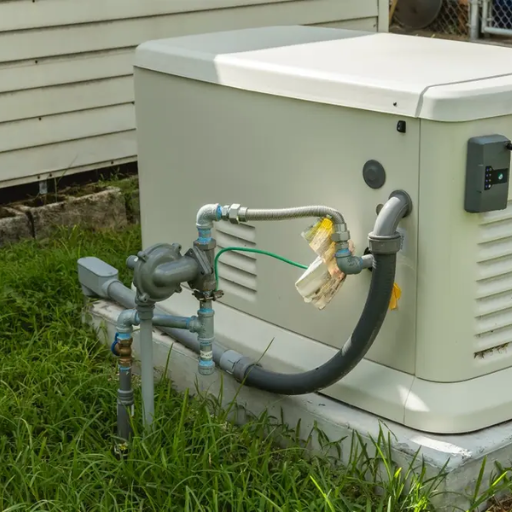
Connecting the fuel line requires care. Use the right fuel line sizeand material. Secure all connections tightly to avoid leaks. Always follow the generator’s manual instructions.
Check for leaks after installation. Turn on the fuel supply and inspect all joints. Use a soapy water solution to spot bubbles that show leaks. Fix any leaks immediately for safety.
Credit: shgeneratorset.com
Electrical Wiring And Transfer Switch
Installing the transfer switchrequires careful attention. Mount the switch near the main electrical panel. Ensure it is easily accessible. Turn off the main power before starting. Connect the transfer switch wires to the panel according to the instructions. Use a voltage tester to confirm no power is present.
Wiring the generator to the home panelinvolves running cables from the generator to the transfer switch. Use wires rated for outdoor use and the proper gauge. Connect the black, white, and ground wires to their matching terminals. Secure all connections tightly to prevent loose wires. Label the wires for easy identification later.
Testing electrical connectionsis important for safety. Turn the main power back on. Start the generator and switch the transfer switch to generator mode. Check that power flows correctly to the home circuits. Use a multimeter to verify voltage levels. Look for any sparks or unusual sounds and shut off power if found.
Starting And Testing The Generator
Begin by connecting the generator to your power source and fuel supply carefully. Test the generator by running it for a few minutes to ensure proper operation and safety. Adjust settings as needed before full use.
Initial Startup Procedures
Make sure the generator is properly connected to fuel and power. Turn on the main power switch to start the unit. Listen for the engine to run smoothly without strange noises. Check all indicator lights for normal operation. Allow the generator to warm up for a few minutes before applying any load.
Running A Test Load
Connect some appliances or devices to the generator. Observe how the generator handles the load without stopping. Monitor fuel levels and engine temperature. Confirm the generator maintains steady power output. Shut down the load after 10-15 minutes to avoid overworking the system.
Troubleshooting Common Issues
- Engine won’t start: Check fuel supply and battery charge.
- Generator shuts off under load: Reduce load and inspect air filter.
- Strange noises: Tighten loose parts and check for debris.
- Warning lights: Refer to the user manual for specific error codes.
- Low power output: Verify connections and fuel quality.

Credit: dustinsmechanical.com
Maintenance Tips After Installation
Regular inspections help keep your Generac standby generatorrunning well. Check for any leaks, loose parts, or damage. Listen for unusual sounds during operation.
Cleaning is key. Wipe away dust and debris from the generator’s surface. Make sure air vents are clear to avoid overheating. Change the oil and filters as stated in the user manual.
Schedule professional maintenance at least once a year. Experts can test the battery, fuel system, and electrical connections. This prevents problems and extends the generator’s life.
Frequently Asked Questions
How Long Does Generac Generator Installation Take?
Typically, installing a Generac standby generator takes 4 to 8 hours. This depends on site conditions and electrical setup. Proper planning ensures a smooth and timely installation process.
What Tools Are Needed For Generac Generator Installation?
You will need basic electrical tools, wrenches, screwdrivers, and a drill. A level and conduit bender may also be required. Having the right tools ensures a safe and efficient installation.
Can I Install A Generac Generator Myself?
While possible, professional installation is recommended. Generac generators involve complex electrical and fuel connections. Licensed technicians ensure compliance with safety and local codes.
Where Should I Place My Generac Standby Generator?
Place the generator outdoors on a flat, stable surface. Ensure it’s at least 5 feet from windows and vents. Proper placement prevents exhaust buildup and allows easy maintenance access.
Conclusion
Installing a Generac standby generator helps protect your home during power outages. Follow each step carefully for a safe setup. Check local rules before starting the installation. Use proper tools and safety gear at all times. Testing the generator after installation ensures it works well.
Regular maintenance keeps it ready for emergencies. This guide makes the process clear and manageable. Stay prepared and enjoy peace of mind with reliable power backup.