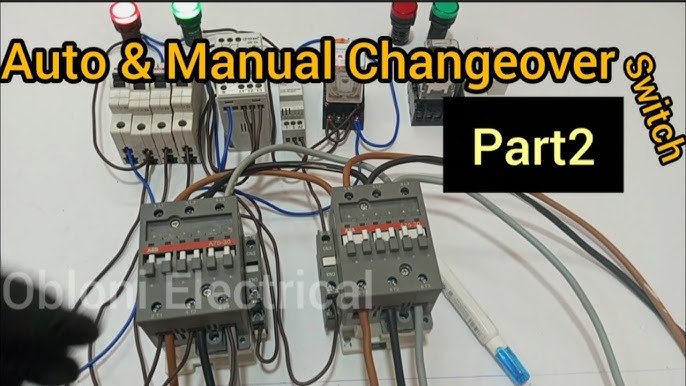
Are you ready to take control of your power backup and never worry about outages again? Installing a Generator ATS (Automatic Transfer Switch) is the key to seamless electricity flow when the main power goes out.
But how do you install it correctly and safely? This guide will walk you through every step, making the process simple and clear. By the end, you’ll have the confidence to set up your ATS and keep your home or business powered without interruption.
Keep reading—your reliable power solution is just a few steps away.

Credit: www.duthiepower.com
Choosing The Right Ats
Automatic Transfer Switches (ATS)come in different types. The main types are open transition, closed transition, and delayed transition. Open transition switches briefly disconnect power before switching. Closed transition switches transfer power without interruption. Delayed transition switches wait a few seconds before switching to avoid power surges.
Choosing an ATS depends on the capacityand compatibilitywith your generator and home or business electrical system. The switch must handle the load safely without damage.
| Capacity (Amps) | Generator Size (kW) | Common Use |
|---|---|---|
| 100 – 200 | 7 – 15 | Small homes |
| 200 – 400 | 15 – 30 | Medium homes, small businesses |
| 400+ | 30+ | Large buildings, commercial use |
Safety certifications like UL, CSA, or IECshow the ATS meets safety rules. Always choose a switch with proper certification for peace of mind and legal compliance.
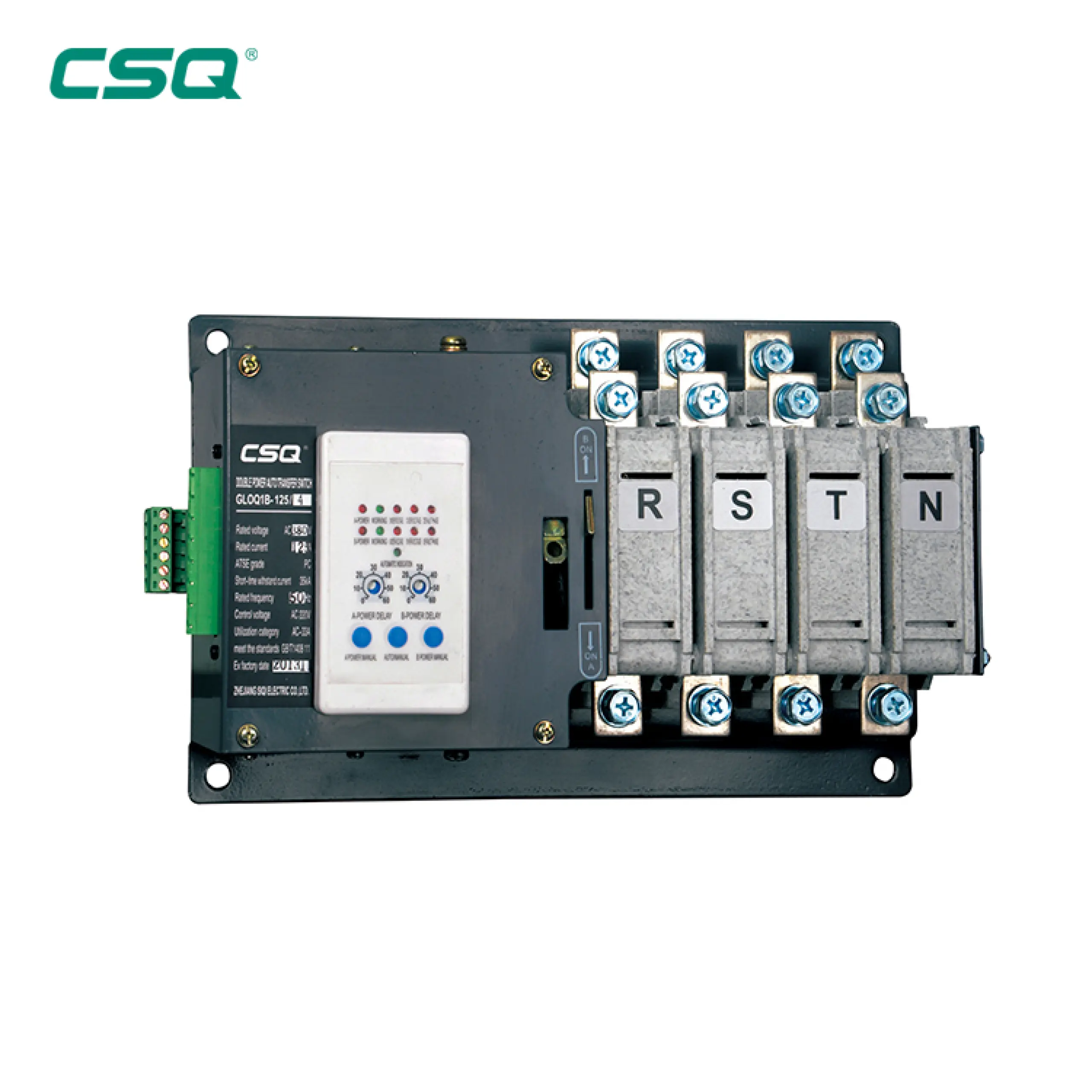
Credit: www.csqelectric.com
Preparing For Installation
Gather all tools and materialsbefore starting. Essential tools include screwdrivers, wire strippers, and a voltage tester. Also, have the ATS unit, wires, and connectorsready.
Turn off all power sourcesto avoid any electrical shock. Make sure to switch off the main breaker and any backup power supply.
Carefully read the manufacturer’s instructions. Each ATS model has specific steps. Following these will ensure a safe and correct installation.
Mounting The Ats
Choose a location that is close to both the generator and main power source. The spot should be dry and easy to access for maintenance. Avoid places exposed to rain or direct sunlight. Make sure the surface is flat and strong enough to hold the ATS.
Secure the ATS enclosure firmly using bolts or screws. Check that it does not wobble or move after installation. Tighten all fasteners to keep the unit stable and safe from vibrations.
Proper ventilation is key to prevent overheating. Leave space around the ATS for air to flow freely. Avoid covering vents or blocking airflow with objects. Good ventilation helps the ATS work well and last longer.
Wiring The Ats
Connect the ATS to the main power sourceby attaching the input wires to the circuit breaker panel. Use proper wire sizes to handle the load safely. Make sure the power is turned off before starting any connections.
Link the ATS to the generatorby connecting output wires from the ATS to the generator terminals. Use thick, insulated wires designed for high current. Secure all connections tightly to avoid loose contacts.
Ground the systemby attaching a grounding wire from the ATS to a metal grounding rod or grounding point. This step is crucial for safety and helps protect against electrical faults.
- Double-check all connections for tightness and correctness.
- Verify that wires are connected to the correct terminals.
- Ensure no exposed wires or loose ends remain.
- Turn power back on only after confirming all wiring is secure.
Configuring The Ats Settings
Setting transfer time delayshelps prevent false switching. It sets how long the ATS waits before switching power sources. Adjust delay times for both transfer to generator and return to utility power. This avoids quick switching from short power blips.
Testing sensor functionsensures the ATS detects power changes correctly. Test voltage sensors and current sensors for accurate readings. Use a multimeter to check sensor outputs. Proper sensor function is key for reliable ATS operation.
Programming control parameterscustomizes ATS behavior. Set voltage thresholds, frequency limits, and timeout values. These parameters control when the ATS switches power. Follow the ATS manual for exact settings to match your generator and power needs.
Testing And Troubleshooting
Testing the Automatic Transfer Switch (ATS) is crucial after installation. Begin by simulating a power outage to see if the ATS switches power sources smoothly. Check for any delay or failure in transfer. Watch the generator start and supply power without interruption.
Common issues include failure to transfer, delayed switching, and incorrect power readings. These problems often arise from loose wiring, faulty sensors, or incorrect settings. Inspect all connections and ensure sensors work properly. Tighten any loose wires and replace damaged parts as needed.
Adjusting settings improves ATS performance. Set the transfer delay time to avoid false triggers. Calibrate voltage and frequency thresholds for accurate switching. Regularly test and fine-tune these settings to keep the system reliable and efficient.
Maintenance Tips
Regular checks keep the Automatic Transfer Switch (ATS) working well. Look for signs of wear, loose wires, or dirt. Testing ATS functions often helps catch issues early. A schedule every few months is best.
Cleaning the ATS parts stops dust build-up. Use a dry cloth or a soft brush. Avoid water or sprays near electrical parts. Lubricate moving parts lightly to reduce friction and wear. This keeps the switch moving smoothly.
Firmware and software updates fix bugs and improve performance. Check the manufacturer’s website for updates. Installing updates on time keeps the ATS reliable and safe.

Credit: forumelectrical.com
Frequently Asked Questions
What Is A Generator Ats Automatic Transfer Switch?
A Generator ATS Automatic Transfer Switch is a device that automatically switches power from the main source to a generator during outages. It ensures seamless power supply, preventing interruptions. This switch is vital for homes and businesses relying on backup power.
How Do I Wire A Generator Ats Transfer Switch?
To wire a Generator ATS transfer switch, first turn off all power sources. Connect the main power, generator, and load wires to the switch terminals as per the manual. Always follow safety guidelines and local electrical codes to ensure proper and safe installation.
Can I Install A Generator Ats Myself Safely?
Yes, if you have electrical knowledge and follow safety protocols, you can install it yourself. However, hiring a licensed electrician is recommended to ensure compliance and avoid risks. Proper installation is critical for the switch’s reliable and safe operation.
What Tools Are Needed For Ats Installation?
Basic tools include a screwdriver, wire stripper, voltage tester, drill, and mounting hardware. You may also need safety gear like gloves and goggles. Having the correct tools ensures a smooth, safe, and efficient installation process.
Conclusion
Installing an ATS switch boosts your generator’s efficiency. It’s a straightforward process. Follow each step carefully for a successful setup. Safety should always be your priority. Make sure everything is securely connected. Regular maintenance can prevent future issues. Stay informed about your generator’s condition.
A reliable power source is crucial during outages. Enjoy peace of mind with a well-installed ATS. It ensures seamless power transitions. Your home or business remains powered. No more unexpected blackouts. Reliable electricity, always. Remember to consult an expert if needed.
They can provide valuable guidance. Stay powered and stay safe.