
Are you tired of unexpected power outages leaving you in the dark? A generator can be your best ally, ensuring that your home remains lit and your appliances running smoothly.
However, the key to keeping your generator reliable is a properly installed battery. If you’ve ever wondered how to install a generator battery and ensure it works flawlessly, you’re in the right place. In this guide, you’ll discover simple, step-by-step instructions that even beginners can follow.
Imagine the peace of mind you’ll have, knowing you’re prepared for any power interruption. Let’s dive in and get your generator ready to serve you when you need it most.
Choosing The Right Battery
Generator batteriescome in several types. The most common are lead-acidand lithium-ion. Lead-acid batteries are affordableand easy to find. Lithium-ion batteries last longer and weigh less but cost more.
Important specificationsinclude voltage, capacity(measured in amp-hours), and cold cranking amps (CCA). The right voltage matches your generator’s needs. Capacity shows how long the battery can supply power. CCA indicates how well the battery starts the generator in cold weather.
| Specification | What It Means |
|---|---|
| Voltage | Matches the generator’s power system |
| Capacity (Ah) | How long the battery can provide power |
| Cold Cranking Amps (CCA) | Ability to start generator in cold weather |
- Always wear gloves and eye protection.
- Keep battery terminals clean and dry.
- Charge the battery in a well-ventilated area.
- Avoid short circuits by not touching terminals together.
- Dispose of old batteries properly at recycling centers.
Tools And Materials Needed
Essential toolsinclude a wrench, screwdriver, and pliers. These help in loosening and tightening bolts and screws. A multimeter checks the battery’s voltage to ensure it works well. A wire brush cleans the battery terminals for better connection.
Protective gearis very important. Wear safety goggles to protect your eyes from sparks or battery acid. Use gloves to keep your hands safe and clean. Wearing old clothes or a protective apron prevents damage from spills.
Battery accessoriesneeded are battery cables and terminal connectors. Make sure cables are thick enough to carry current safely. Terminal connectors attach the battery to the generator. A battery tray or holder keeps the battery stable and secure.
Preparing The Generator
Make sure the generator is offbefore starting any work. This prevents accidents and damage.
Find the battery compartment. It is usually near the base or side of the generator. Check the user manual for the exact location.
Clean the area around the battery compartment. Remove any dirt, dust, or debrisusing a dry cloth. This helps keep the battery connections clear and safe.

Credit: www.youtube.com
Removing The Old Battery
Start by turning offthe generator to avoid accidents. Locate the battery and identify the positive (+)and negative (-)cables. Always disconnect the negative cable firstto prevent sparks. Use a wrench to loosen the nuts on the cable clamps. Remove the negative cable and then the positive cable. Be gentle to avoid damaging the cables.
Old batteries contain harmful chemicals. Handle them with care. Avoid touching the battery acid or leaking parts. Wear gloves and safety glasses if possible. Store the old battery in a sturdy container to prevent spills.
Dispose of the old battery at a local recycling centeror hazardous waste facility. Many auto parts stores accept used batteries. Never throw batteries in the trash. Proper disposal protects the environment and follows the law.
Installing The New Battery
Place the new battery in the generator’s battery tray carefully. Ensure the battery terminals face the correct direction. This helps avoid cable stretching or damage.
Connect the battery cables tightly. Attach the positive cable (red)first, then the negative cable (black). This prevents sparks and short circuits.
Secure the battery using the hold-down clamp or strap. This stops the battery from moving during generator operation. Double-check that all cables are firmly attached and no wires are loose.
Testing The Installation
To start the generator, turn the key or press the start button. Listen for a smooth engine sound. If it struggles, the battery might be weak or connected wrong.
Check battery performance by measuring voltage with a multimeter. A healthy battery shows about 12.6 voltswhen the generator is off. When running, voltage should be between 13.5 and 14.5 volts. Lower voltage means the battery is not charging well.
| Issue | Possible Cause | Solution |
|---|---|---|
| Generator won’t start | Battery dead or loose connection | Check and tighten battery terminals, charge or replace battery |
| Generator starts but stops | Low battery voltage | Test battery, replace if voltage is low |
| Battery drains quickly | Faulty charging system | Inspect alternator and wiring |
Maintenance Tips For Battery Longevity
Regular inspectionhelps catch problems early. Check battery terminals for corrosion. Clean terminals with a mixture of baking soda and water. Look for cracks or leaks on the battery case. Tighten loose connections to avoid power loss. Inspect the electrolyte level in non-sealed batteries and top up with distilled water if low.
Proper charging practicesextend battery life. Use a charger that matches the battery’s voltage and type. Avoid overcharging as it can damage the battery. Charge the battery slowly for better results. Disconnect the charger once the battery is full to prevent overheating.
Storage recommendationskeep the battery healthy when not in use. Store in a cool, dry place away from direct sunlight. Keep the battery fully charged before storing. Check and recharge the battery every few months during storage. Avoid freezing temperatures to prevent damage.

Credit: www.youtube.com
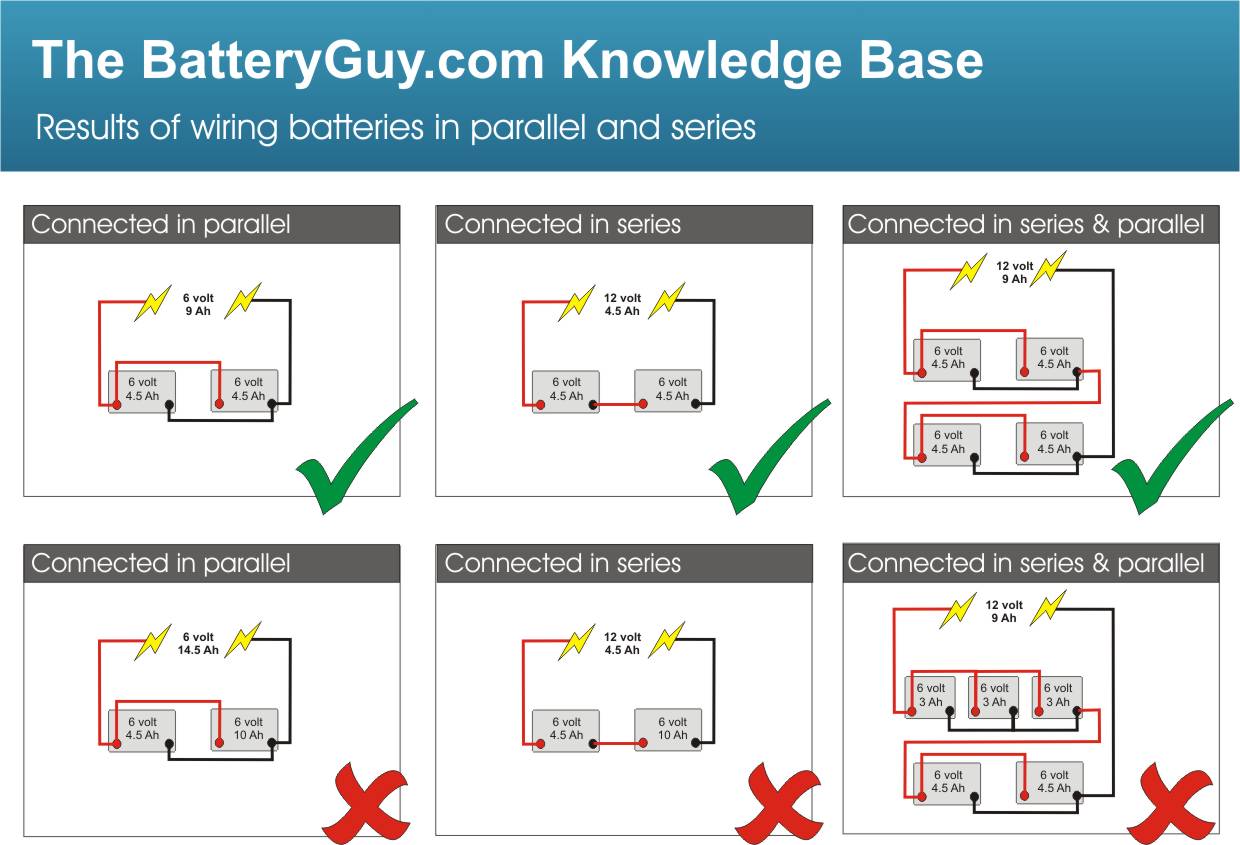
Credit: batteryguy.com
Frequently Asked Questions
How Do I Safely Install A Generator Battery?
To install a generator battery safely, first disconnect all power sources. Wear protective gear, connect the positive cable first, then the negative. Ensure secure connections and avoid contact with battery acid. Follow the manufacturer’s guidelines to prevent damage or injury.
What Tools Are Needed For Generator Battery Installation?
You will need a wrench, screwdriver, battery terminal cleaner, and safety gloves. A multimeter helps check voltage. Having a battery charger handy is also useful for maintenance. These tools ensure a smooth and safe installation process.
How Often Should I Replace My Generator Battery?
Typically, replace your generator battery every 3 to 5 years. Check for signs like slow starting or corrosion. Regular maintenance extends battery life, but timely replacement ensures reliable generator performance during outages.
Can I Install Any Battery In My Generator?
No, always use the battery type recommended by your generator manufacturer. Using the wrong battery can cause damage or poor performance. Check voltage, size, and specifications before purchase to ensure compatibility.
Conclusion
Installing a generator battery is simple with the right steps. Always check the battery type before starting. Connect the terminals carefully to avoid sparks. Keep the battery clean and dry for long life. Regular checks help your generator run without problems.
A good battery means your generator works when needed. Follow safety rules and take your time. This keeps your home powered safely and smoothly. Now, you can feel confident handling your generator battery.