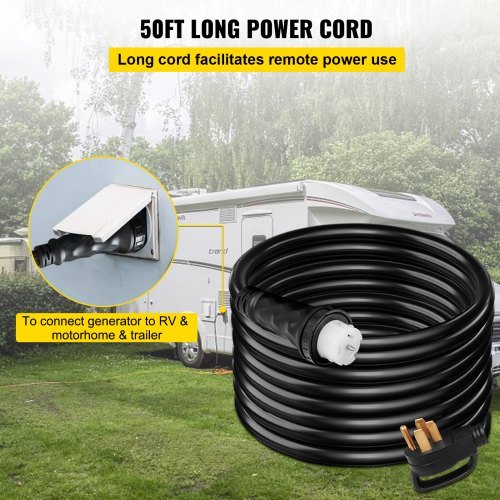
Imagine facing a power outage during a stormy night, and all you need is a reliable backup to keep your home illuminated and your appliances running. You’ve invested in a generator, but now you need to ensure it’s set up correctly to power your home when it matters most.
Installing a generator extension cord in your outdoor area might sound daunting, but it’s simpler than you think. In this guide, you’ll discover step-by-step instructions to safely and efficiently connect your generator, ensuring peace of mind during unexpected power failures.
Ready to transform your preparedness and ensure your home remains a beacon of comfort? Let’s dive in and get your generator extension cord installed the right way.
Choosing The Right Extension Cord
Choose an extension cord with the correct lengthto reach your generator safely.
Long cords may cause power loss. Select a cord with the right gaugefor your power needs.
Look for cords labeled weatherproofor with outdoor ratings. These resist rain and sun damage.
Check the cord’s ampacityto match your generator’s output. This avoids overheating and fire risks.
Power requirements differ by devices. Use a cord that supports the total wattageof your tools.
| Factor | Tip |
|---|---|
| Cord Length | Choose shortest length needed to reduce power loss |
| Gauge | Lower gauge number means thicker wire for more power |
| Weatherproof Rating | Use cords with outdoor and water-resistant labels |
| Ampacity | Match cord’s amp rating with generator output |
| Power Needs | Calculate total wattage of all connected devices |
Safety Precautions Before Installation
Check the extension cord for any cuts, cracks, or damage. Make sure plugs and sockets are clean and dry. Inspect the generator and other equipment for visible issues before use. Using damaged tools can cause accidents or fires.
Always turn off the generator and power sources before starting installation. This prevents electrical shocks and injuries. Confirm the power is off using a voltage tester if possible.
Use Ground Fault Circuit Interrupters (GFCI) to protect against electric shock. GFCIs cut off power quickly if there is a fault. They are especially important in outdoor, wet, or damp areas. This device adds an extra layer of safety during installation.
Preparing The Outdoor Area
Choose a dry and stable locationto place the generator extension cord. Wet or uneven ground can cause electric shock or damage. Avoid areas where water pools or the ground is soft.
Keep the cord away from places where people walk or play. This reduces the chance of tripping accidents. Use cable covers or tape to secure the cord if it crosses a path.
Protect the cord from sharp objects, heat, or heavy foot traffic. These can cause wear and tearor break the cord. Store the cord properly when not in use to extend its life.
Connecting The Extension Cord To The Generator
Start by matching the plug and socket shapes carefully. This ensures proper alignmentand prevents damage to the connectors. Hold the plug firmly and push it straight into the generator’s outlet.
Turn the connector slightly if needed, but do not force it. A secure fitmeans the connection is tight and safe. Loose connections can cause sparks or power loss.
- Check the locking ring or clips, if your cord has them.
- Twist or snap these into place to hold the connector firmly.
- Make sure no wires are visible or exposed.
Test the connection by gently pulling the cord. It should not come loose easily. A tight and safe connectionprotects you and your equipment from electrical hazards.
Running The Cord Safely To The Destination
Run the extension cord close to walls to keep it safe and tidy. Avoid placing cords where people walk or drive. For long distances, bury the cord underground using a protective conduit. This stops damage from weather or animals. Use cord covers to protect cords crossing walkways. Covers also prevent tripping hazards.
- Keep cords awayfrom water and sharp edges.
- Use conduit pipesfor underground routing.
- Cord coversprotect cords on hard surfaces.
- Secure cordswith clips or ties to walls.
- Check cords regularly for wear or damage.

Credit: www.peaktow.com
Testing And Operating The Setup
Start by turning on the generator using the main switch. Make sure the extension cord is properly connected to the generator and outdoor outlet. Check that the generator runs smoothly without strange noises or vibrations.
Observe the cord and plug for any signs of heat buildupor damage. Touch the cord lightly; it should not feel hot. Look for cracks, cuts, or melted spots on the insulation. If any damage is found, stop using the setup immediately.
- Confirm power reaches the connected device.
- Listen for unusual sounds from the generator.
- Feel the extension cord for warmth or damage.
- Check all connections are secure and dry.
Maintenance Tips For Longevity
Regular inspection keeps the extension cord safe and working well. Check for cracks, cuts, or exposed wires often. Clean the cord using a dry cloth to remove dirt and debris. Avoid using water or harsh cleaners that can damage the cord.
Storing the cord properly extends its life. Coil it loosely to avoid kinks or bends. Keep it in a cool, dry place away from direct sunlight and moisture. Avoid placing heavy objects on the cord during storage.
Replace any damaged parts immediately to prevent accidents. Broken plugs or frayed wires can cause electrical shocks or fires. Use parts made for outdoor use and match the cord’s specifications.

Credit: truegear.com.au

Credit: www.amazon.ca
Frequently Asked Questions
What Type Of Extension Cord Is Best For Outdoor Generators?
Use a heavy-duty, outdoor-rated extension cord with a thick gauge. It should be water-resistant and designed for generator use to ensure safety and durability.
How Do I Safely Connect A Generator Extension Cord Outdoors?
Connect the cord firmly to the generator and the appliance. Keep connections dry and elevated to avoid water exposure and minimize trip hazards.
Can I Use A Regular Extension Cord With My Generator?
No, regular cords may overheat or fail. Always use cords rated for outdoor, heavy-duty, and generator-specific applications.
How Long Can A Generator Extension Cord Be Safely?
Keep the cord length under 100 feet to reduce power loss. Use thicker gauge cords for longer distances to maintain efficiency.
Conclusion
Installing a generator extension cord outdoors can be safe and easy. Use the right cord with proper insulation. Keep connections dry and secure to avoid hazards. Check your work to ensure everything fits well. Follow these simple steps for reliable power outdoors.
Stay careful and prepared for any weather changes. This helps protect your equipment and your home. Enjoy steady power without worry during outdoor use. Safety and proper setup matter most every time.