
Are you planning to install a generator temperature sensor but concerned about doing it safely? You’re not alone, and you’re definitely in the right place.
Ensuring that your generator operates smoothly and efficiently can save you from unexpected breakdowns and costly repairs. But the key to achieving this lies in the correct installation of your temperature sensor. In this guide, you’ll discover step-by-step instructions that not only make the process easy but also prioritize your safety.
You’ll gain insights into the essential tools needed, common mistakes to avoid, and tips to ensure a seamless installation. Ready to become confident in safeguarding your generator’s performance? Keep reading to unlock the secrets to a hassle-free installation.
Credit: www.alibaba.com
Choosing The Right Sensor
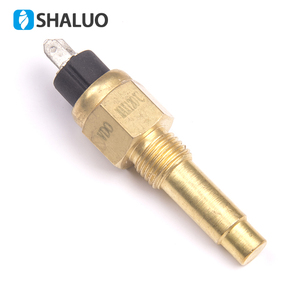
Generator temperature sensors come in several types. Thermocouplesare common and measure temperature using voltage changes. RTDs (Resistance Temperature Detectors)offer high accuracy and stability. Thermistorsare sensitive and good for small ranges.
Choosing the right sensor depends on key features like temperature range, accuracy, and response time. Sensors must withstand the generator’s environment, including heat and vibration.
| Key Feature | What to Check |
|---|---|
| Temperature Range | Sensor must cover expected temperature values |
| Accuracy | Choose sensors with low error margins |
| Response Time | Faster response helps in quick fault detection |
| Durability | Must resist heat, vibration, and moisture |
Check sensor compatibilitywith your generator model. Some sensors fit only certain brands or types. Using compatible sensors avoids installation problems and errors.
Credit: www.grohe.co.uk
Preparing For Installation
Wear protective glovesand safety glassesbefore starting. Switch off the generatorand disconnect powerto avoid shocks. Ensure the area is dryand clean. Keep a fire extinguishernearby just in case. Follow all manufacturer’s safety instructionscarefully.
- Temperature sensorcompatible with your generator model
- Screwdriversand wrenches
- Wire cuttersand strippers
- Multimeterto test connections
- Electrical tapeand heat shrink tubing
Choose a location close to the engine blockfor accurate readings. Avoid places near moving partsor high heat sourceslike exhaust pipes. The spot should be easy to accessfor maintenance. Check the sensor’s manualfor recommended spots.
Step-by-step Installation Guide
Always power down the generatorbefore starting any work. This prevents electrical shocksand equipment damage. Disconnect the main power source and wait for the generator to cool.
Choose a clean, dry spotto mount the sensor. Fix it firmly near the engine’s hottest part. Use proper screws or bracketsto avoid sensor movement during operation.
Connect the sensor wires to the generator’s control panel. Match the wire colors carefully. Use wire connectorsto secure the joins. Avoid loose connections to ensure accurate readings.
Secure the sensor cable along the generator frame. Use cable ties or clampsto keep wires neat and safe. Prevent wires from touching hot or moving parts to avoid damage.
Testing And Calibration
Check the sensor by connecting it to the generator system first. Look for steady voltage or resistance signals that match the sensor’s specs. Use a multimeter to measure output and confirm sensor works correctly. Test at different temperatures if possible.
Adjust the sensor to get accurate readings. Use a known temperature source like ice water or boiling water. Compare sensor readings to expected values. Make small changes to calibration settings until readings match closely.
| Common Issue | Possible Cause | Fix |
|---|---|---|
| Sensor gives no reading | Loose connection or broken wire | Check and secure wiring |
| Readings jump or fluctuate | Electrical interference | Use shielded cables or move sensor |
| Readings too high or low | Improper calibration | Recalibrate sensor |
Maintenance Tips
Regular inspection keeps the generator temperature sensorworking well. Check for any visible damageor dirt on the sensor. Look for loose wires or corrosion around the connection points. Use a soft cloth to wipe the sensor gently. Avoid using harsh chemicals that can harm the sensor.
Cleaning the sensor helps maintain accurate temperature readings. Turn off the generator before cleaning. Use a dry cloth or a brush to remove dust and debris. For stubborn dirt, use a little water and mild soap. Make sure the sensor is dry before turning the generator back on.
Replace the sensor if it shows signs of wear or damage. Frequent wrong readings or no readings at all mean replacement is needed. Follow the manufacturer’s instructions for safe removal and installation of the new sensor. Proper replacement ensures the generator runs safely and efficiently.

Credit: www.renogy.com
Frequently Asked Questions
What Tools Are Needed To Install A Generator Temperature Sensor?
You need a temperature sensor, screwdriver, wire strippers, electrical tape, and a multimeter. Safety gloves and goggles are also essential for protection during installation.
How Do I Safely Connect The Temperature Sensor Wires?
Strip wires carefully, match sensor wires with generator terminals, and secure connections tightly. Use electrical tape to insulate exposed wires and prevent short circuits.
Where Is The Best Location To Install The Sensor On A Generator?
Install the sensor near the engine block or exhaust manifold. This placement ensures accurate temperature readings and helps monitor generator performance effectively.
How Can I Test If The Temperature Sensor Is Working Correctly?
Use a multimeter to check sensor resistance. Compare readings with manufacturer specifications. If readings are off, the sensor may be faulty or improperly installed.
Conclusion
Installing a generator temperature sensor requires care and attention. Follow safety steps to avoid accidents and damage. Use proper tools and check connections firmly. Test the sensor after installation to ensure it works well. Regular checks keep your generator running safely and smoothly.
Taking time to install the sensor right protects your equipment. Stay safe, and keep your generator in good condition. Simple steps make a big difference.