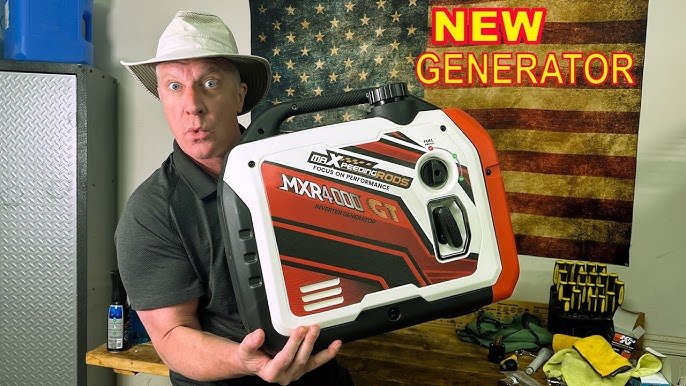
Imagine the convenience of starting your small generator from the comfort of your home or even your car. No more braving the cold or rain just to get things up and running.
Installing a remote start on your small generator can transform your experience, offering you ease and efficiency. But how do you go about it without the stress of complicated instructions? In this guide, you’ll discover a straightforward method to equip your generator with remote start capability.
By the end, you’ll have the confidence and knowledge to tackle this DIY project with ease. Let’s dive in and explore how you can make your generator smarter and your life a little bit easier.
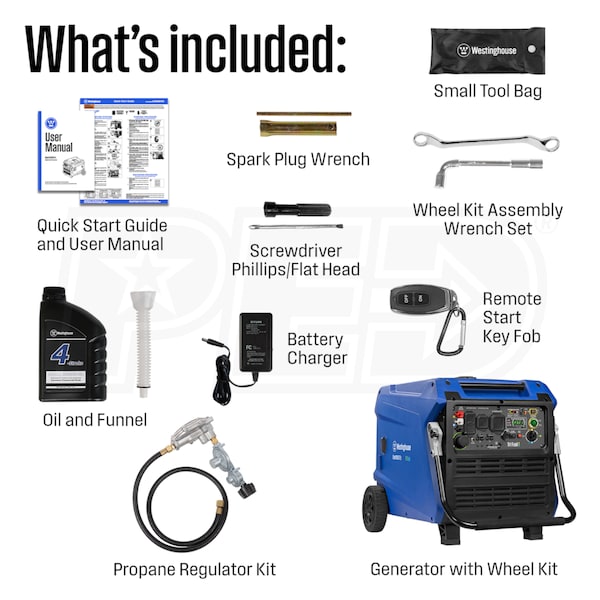
Credit: www.electricgeneratorsdirect.com
Tools And Materials Needed
To install a remote starton a small generator, gather the following tools and materials. Safety gloves and goggles protect you during the work. A wire stripperand screwdrivershelp handle wires and parts.
Basic tools include:
- Remote start kitcompatible with your generator
- Wire stripper and cutter
- Screwdrivers(flathead and Phillips)
- Electrical tapefor insulation
- Multimeterto check voltage and continuity
- Zip tiesto organize wires
- Battery terminalsor connectors
- Drillwith drill bits (if mounting is needed)
Having all these materials ready makes the installation smoother and safer.
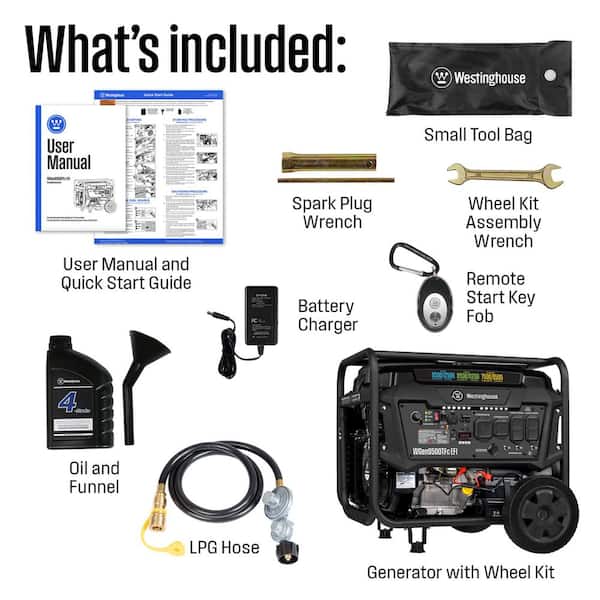
Credit: www.homedepot.com
Preparing The Generator
Safety first.Always unplug the generator before starting work. Wear gloves and safety goggles to protect hands and eyes. Keep the work area dry and well-lit. Avoid sparks near fuel or battery. Check for any damage or leaks before installation.
Find the generator’s key parts. Locate the battery, ignition switch, and starter motor. These are needed to connect the remote start system. The battery usually sits near the engine. The ignition switch is often on the control panel. The starter motor is attached to the engine block.
- Battery: Power source for remote start.
- Ignition switch: Controls engine start and stop.
- Starter motor: Turns the engine on.
Choosing The Right Remote Start Kit
Check the generator modeland power output first. Remote start kits must match these details.
Look for kits made for small generators. They fit better and work well.
Some kits need special wiring. Make sure you can install it safely.
Choose kits with easy-to-use controls. Simple buttons or remotes make starting easy.
Consider range. The remote should work at the distance you need.
Check if the kit has safety features, like automatic shutoff or alerts.
| Feature | Why It Matters |
|---|---|
| Compatibility | Fits the generator model and power size |
| Ease of Installation | Simple wiring and clear instructions |
| Remote Range | Works from the distance you need |
| Safety Features | Protects the generator and users |
| Control Type | Easy buttons or remote control |
Wiring The Remote Start System
Open the generator’s control panel carefully. Look for the starter wire. It is usually near the battery or engine.
Connect the starter wire to the remote start system. Use a wire stripper to remove the insulation. Attach the wire securely using a connector or electrical tape. Make sure the connection is tight to avoid loose wiring.
Install the relay close to the starter wire connection. The relay helps control the power flow. Connect the relay’s input to the remote start switch. Connect the output to the starter wire. Use the generator’s manual to check the relay wiring diagram.
- Use insulated tools for safety
- Double-check all connections
- Secure wires to prevent movement
- Test the system before closing the panel
Mounting The Receiver
The receiver should be placed in a dry and safe spot on the generator. Choose a location that is close enough to the remote start unit. Avoid areas with direct heat or moisture. Use the mounting brackets or screws that come with the receiver. Secure it firmly to prevent movement during use.
Make sure the receiver’s antenna is not blocked. It should have a clear path for signals. Keep wires neat and away from hot parts. Use zip ties to hold cables in place.
- Mount receiver on a flat, dry surface
- Keep it near the remote start unit
- Use screws or brackets provided
- Position antenna for clear signal
- Secure wires away from heat
Testing The Remote Start Function
Turn on the generator’s main power switch. The remote should connect automatically. Press the remote start button. The generator should start within seconds. Listen for a steady engine sound. Check the control panel for normal readings.
Sometimes the generator may not start. Check if the remote has fresh batteries. Ensure the remote is within range. Look for any loose wires in the installation. Make sure the generator’s fuel valve is open.
- Remote not responding? Replace batteries.
- Generator won’t start? Check fuel supply.
- Signal weak? Move closer to the generator.
- Wires loose? Secure all connections.
- Engine stalls? Inspect air filter and oil levels.
Maintenance Tips For Remote Start
Keep the remote start systemclean and dry to avoid damage. Check all wiring connectionsregularly for looseness or corrosion. Test the remote start function every few weeks to ensure it works well.
Replace the batteriesin the remote control on time. Use the correct type of battery for best performance. Store the generator and remote start in a safe place when not used for long periods.
- Inspect the fuel systemand use fresh fuel.
- Keep the generator oillevel correct and change it as needed.
- Clean or replace the air filterregularly.
- Secure all mounting bracketsfor the remote start kit.
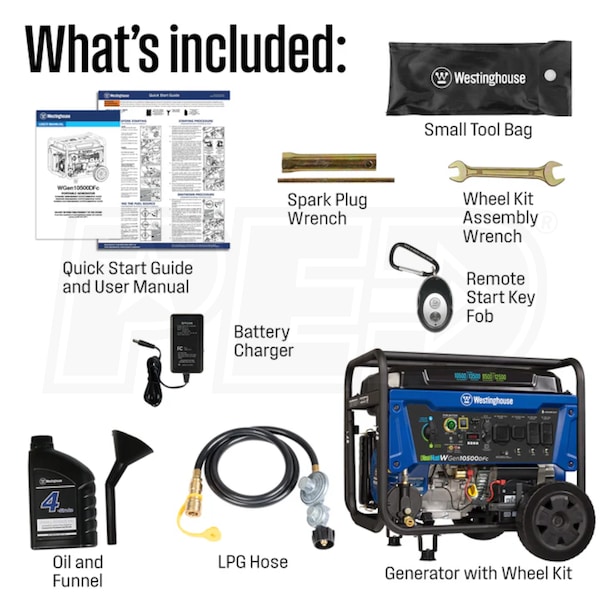
Credit: www.electricgeneratorsdirect.com
Frequently Asked Questions
What Tools Are Needed To Install Remote Start On A Generator?
You will need screwdrivers, wire strippers, electrical tape, a multimeter, and the remote start kit. Safety gloves and a manual for your generator model are also essential for proper installation.
How Long Does It Take To Install A Remote Start?
Installation typically takes 1 to 2 hours, depending on your experience. Following the remote start kit’s instructions carefully can speed up the process and ensure safety.
Can I Install Remote Start On Any Small Generator?
Most small generators can support remote start systems if compatible wiring and controls exist. Always check your generator’s manual and the remote start kit specifications before purchasing.
Is Professional Help Necessary For Remote Start Installation?
Professional help is recommended if you lack electrical skills. Incorrect installation can damage your generator or cause safety hazards. However, skilled DIYers can install it safely with the right tools and instructions.
Conclusion
Installing remote start on a small generator saves time and effort. You can start your generator from a distance easily. This helps during bad weather or emergencies. Always follow safety steps and read instructions well. Double-check all connections before testing the system.
Taking your time ensures the installation works correctly. Enjoy the convenience and comfort this upgrade brings. Stay prepared and keep your generator ready to use anytime.