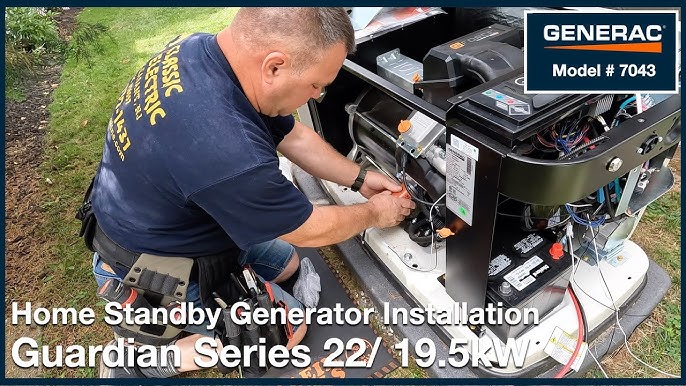
Are you tired of power outages disrupting your daily life? Imagine never having to worry about losing power again.
With a residential standby generator, you can ensure your home stays powered no matter what. But how do you install one of these game-changers? Don’t worry; you’re in the right place. In this guide, we’ll walk you through the steps to install a residential standby generator, making sure you’re prepared for any power interruptions.
Whether you’re a DIY enthusiast or just want to know what to expect when hiring a professional, this article has you covered. Read on to discover how you can keep your home running smoothly and maintain peace of mind, even when the power grid fails.
Credit: shgeneratorset.com
Choosing The Right Generator
Assessing power needsis key before buying a generator. List all devices you want to power. Count their total watts to find the right size. Smaller generators fit basic needs like lights and fridge. Larger ones power whole homes or many appliances. Think about future power needs too.
| Type of Standby Generator | Description | Best for |
|---|---|---|
| Air-cooled | Uses air to cool the engine | Small homes, low power needs |
| Liquid-cooled | Uses liquid coolant for better cooling | Large homes, heavy power loads |
| Portable | Easy to move and store | Temporary or emergency use |
- Natural gasis clean and safe but needs a gas line.
- Propaneis easy to store and lasts long.
- Dieselis powerful but can be noisy and needs fuel storage.
- Electricmodels exist but are less common for standby use.
Preparing The Installation Site
Choosing the right location for a standby generator is key. It should be close to your main electrical panel and fuel source. Make sure the spot is well-ventilated and away from windows or doors. Noise and fumes can be a problem.
Clear the area of plants, debris, and any objects. The ground must be level and firm to hold the generator safely. A concrete pad is often needed for stability and to prevent sinking.
| Aspect | Details |
|---|---|
| Local Codes | Check rules for placement, noise limits, and fuel storage. |
| Permits | Secure necessary permits from your city or county before starting. |
Gathering Tools And Materials
Gather all essential toolsbefore starting the installation. Common tools include:
- Wrench set
- Screwdrivers (flathead and Phillips)
- Pipe wrench
- Voltage tester
- Drill with bits
- Measuring tape
- Level
Required materials must be ready to ensure smooth work. These often include:
- Standby generator unit
- Concrete pad or mounting base
- Electrical cables and conduit
- Fuel supply line (natural gas or propane)
- Transfer switch
- Circuit breakers
Safety equipment is criticalfor protection. Be sure to have:
- Safety goggles
- Work gloves
- Ear protection
- Dust mask
- Non-slip footwear
- Fire extinguisher nearby
Credit: shgeneratorset.com
Installing The Generator Base
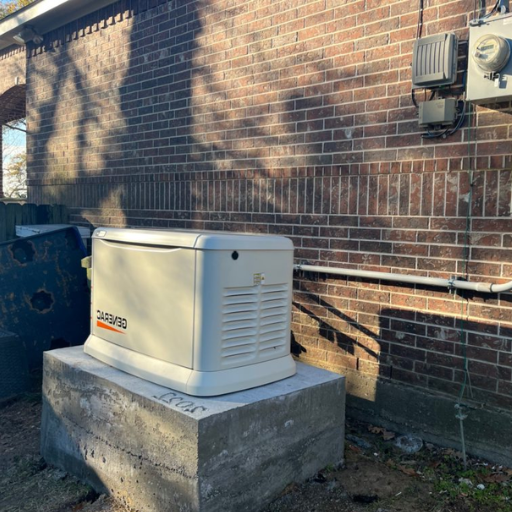
A solid base is key to a good generator setup. A concrete padoffers a strong, flat surface. It holds the generator steady and safe.
Use a wooden frame to shape the pad. Make sure the pad is leveland big enough for the generator size. Let the concrete dry for at least 24 hours.
- Check the pad’s strengthto avoid cracks.
- Place the pad on firm ground to prevent shifting.
- Keep the pad slightly raised to stop water from pooling.
Weatherproofingprotects the generator base. Use sealants to block water and dirt. Cover the base during rain or snow. This stops damage and keeps the generator working well.
Connecting The Fuel Supply
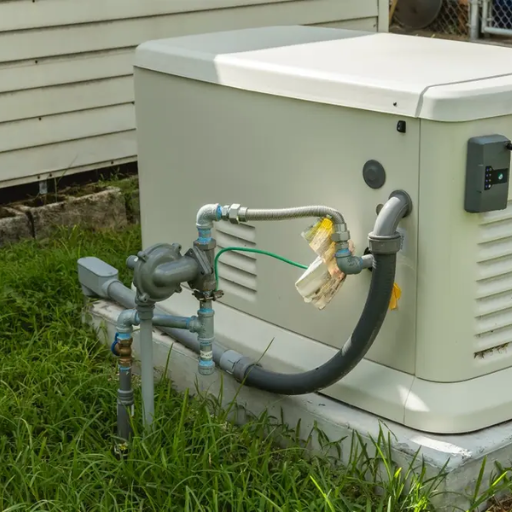
Natural gas installationrequires a licensed professional to connect the generator safely. The gas line must meet local codes and be sized correctly. The connection point is usually near the main gas supply. A shut-off valve should be installed for emergencies. Testing for leaks is crucial before use.
Propane setupinvolves connecting a propane tank to the generator’s fuel line. Tanks come in various sizes, so choose one based on your power needs. Use proper fittings and regulators to control gas flow. Place the tank outside in a ventilated area to prevent gas buildup.
Fuel line safetyis critical to avoid hazards. Always use approved materials for fuel lines and fittings. Secure lines to prevent movement or damage. Regularly inspect for leaks or wear. Never store fuel near the generator or inside the home.

Credit: www.angi.com
Wiring The Generator
Transfer switch installationis essential for safe generator operation. It connects the generator to your home’s electrical system. This switch prevents power from the generator and the grid from mixing. Hire a licensed electrician to install the switch properly. The transfer switch must match your generator’s power rating and your home’s needs.
Electrical connectionsrequire careful attention. Use wires rated for generator power output. Ensure all connections are tight and secure to avoid hazards. Ground the generator to protect against electrical shocks. Follow local electrical codes for safety and compliance.
Testing electrical systemsafter installation ensures everything works correctly. Turn on the generator and switch the transfer switch to generator mode. Check if your home’s circuits receive power. Test critical appliances like the refrigerator and lights. If any issues arise, consult a professional electrician immediately.
Final Checks And Testing
Startup proceduresensure the generator runs smoothly. Check fuel levels and oil before starting. Turn on the main power switch. Listen for any unusual sounds or vibrations. Watch the control panel for error lights. Allow the generator to run for a few minutes to warm up.
Load testingchecks if the generator can handle the home’s power needs. Connect appliances step-by-step while monitoring voltage and frequency. Use a load bank if available. Make sure the generator runs without dropping power or shutting off. Keep tests short to avoid overheating.
| Common Issue | Possible Cause | Simple Fix |
|---|---|---|
| Generator won’t start | Empty fuel tank | Refill fuel tank |
| Low power output | Dirty air filter | Clean or replace air filter |
| Overheating | Blocked vents | Clear vents and cool area |
Maintenance Tips
Check your generator often for any signs of damage or leaks. Look at fuel lines, oil levels, and filters. Clean the area around the generator to avoid dirt buildup. Make sure the battery is charged and cables are tight. Test the generator by running it briefly to see if it starts easily.
Change the oil and oil filter at the start of each season. Replace the air filter and spark plugs if they look worn. Check fuel quality and drain old fuel if needed. Inspect the coolant system to prevent overheating.
Hire a professional to service your generator yearly. They can test electrical parts and engine performance. A pro can find small problems before they become big. Keep a service record to track maintenance dates and repairs.
Frequently Asked Questions
What Tools Are Needed To Install A Standby Generator?
You need basic tools like wrenches, screwdrivers, and a drill. Also, have electrical testers and safety gear ready. Specific tools depend on your generator model and installation complexity.
How Do I Choose The Right Generator Size?
Calculate your home’s total power needs by adding essential appliances’ wattage. Choose a generator that meets or slightly exceeds this load for reliable backup.
Can I Install A Standby Generator Myself?
DIY installation is possible if you have electrical knowledge. However, professional installation is recommended for safety and compliance with local codes.
How Long Does Generator Installation Take?
Installation usually takes one to two days. Time varies based on home size, generator type, and complexity of electrical connections.
Conclusion
Installing a residential standby generator keeps your home powered during outages. Follow each step carefully to ensure safe setup. Choose the right location with good ventilation and easy access. Connect the generator to your home’s electrical system correctly. Test the generator to confirm it works well.
Regular maintenance helps your generator stay reliable. Stay prepared for emergencies with a standby generator. Your home will stay comfortable and safe no matter what. Simple steps bring peace of mind and power backup.