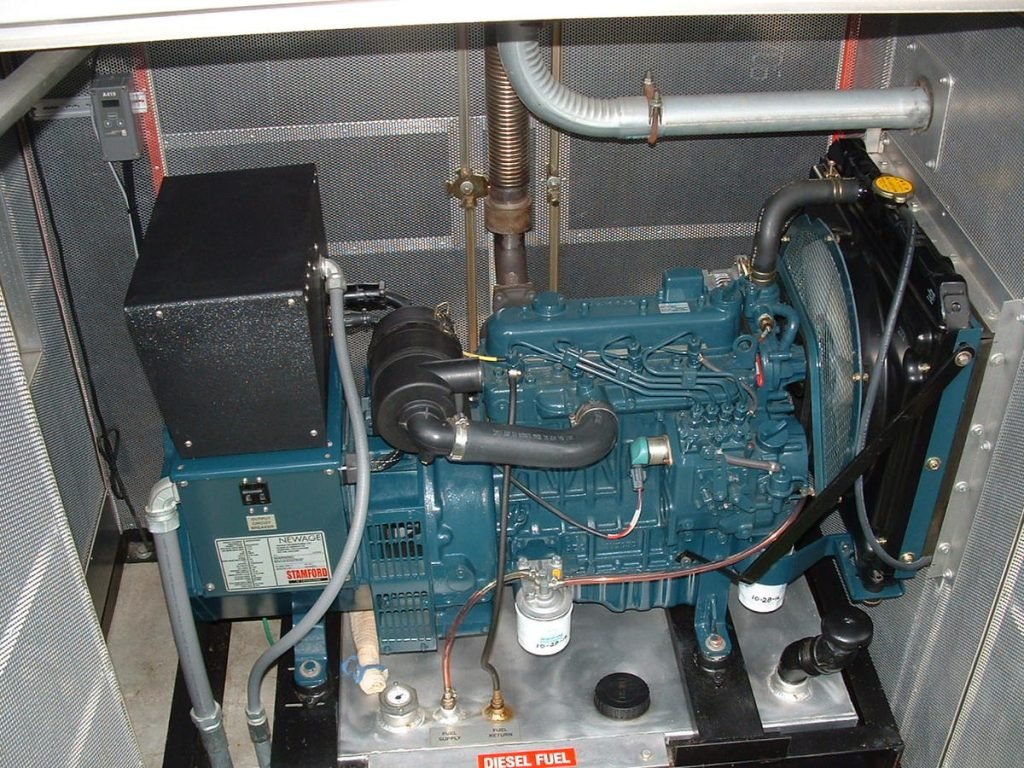
Are you tired of the constant noise from your marine diesel generator disrupting the tranquility of your boat trips? Installing a soundproof enclosure could be the solution you’ve been seeking.
Not only does it significantly reduce noise levels, but it also enhances your overall boating experience, making every journey more enjoyable. This guide will walk you through the step-by-step process of installing a soundproof enclosure for your marine diesel generator, ensuring your adventures are peaceful and serene.
You’ll discover expert tips and tricks to ensure the job is done efficiently, saving you time and effort. Dive into the details and transform your marine experience today.
Choosing The Right Enclosure
Choose an enclosure made from durable materialslike steel or aluminum. These materials resist rust and last longer in marine environments. Design should allow easy access for maintenance and include sound-absorbing insulationto reduce noise.
Size must fit your diesel generator with room for airflow. Proper ventilationprevents overheating and ensures efficient operation. Check that vents have weather protectionto avoid water entry.
| Noise Reduction Rating (NRR) | Effect |
|---|---|
| 20-30 dB | Moderate noise reduction for small generators |
| 30-40 dB | Good reduction for medium-size generators |
| 40+ dB | High noise reduction for large or loud generators |
Preparing The Installation Site
Check the space where the enclosure will go. Make sure there is enough roomfor the generator and for easy accessduring maintenance. The area should allow for good airflow to avoid overheating.
The foundation must be flatand strong. A concrete base is best to hold the weight and stop vibrations. Level the ground well before placing the enclosure.
- Wear safety gearlike gloves and goggles.
- Keep the area clearof obstacles and debris.
- Follow local fire and electrical codes.
- Ensure the enclosure has proper ventilationfor safe operation.
Gathering Necessary Tools And Materials
Gathering the right toolsis key to installing a soundproof enclosure. This saves time and avoids mistakes.
- Electric drill with bits
- Measuring tape
- Screwdrivers (flat and Phillips)
- Wrenches and pliers
- Caulking gun
- Utility knife
- Level
- Marker or pencil
Recommended materialsinclude:
- Soundproof panels or foam
- Marine-grade plywood
- Weatherproof sealant
- Rust-resistant screws and bolts
- Insulation tape
- Ventilation grilles
Using personal protective equipmentis important for safety. Wear:
- Safety goggles
- Gloves
- Ear protection
- Dust mask
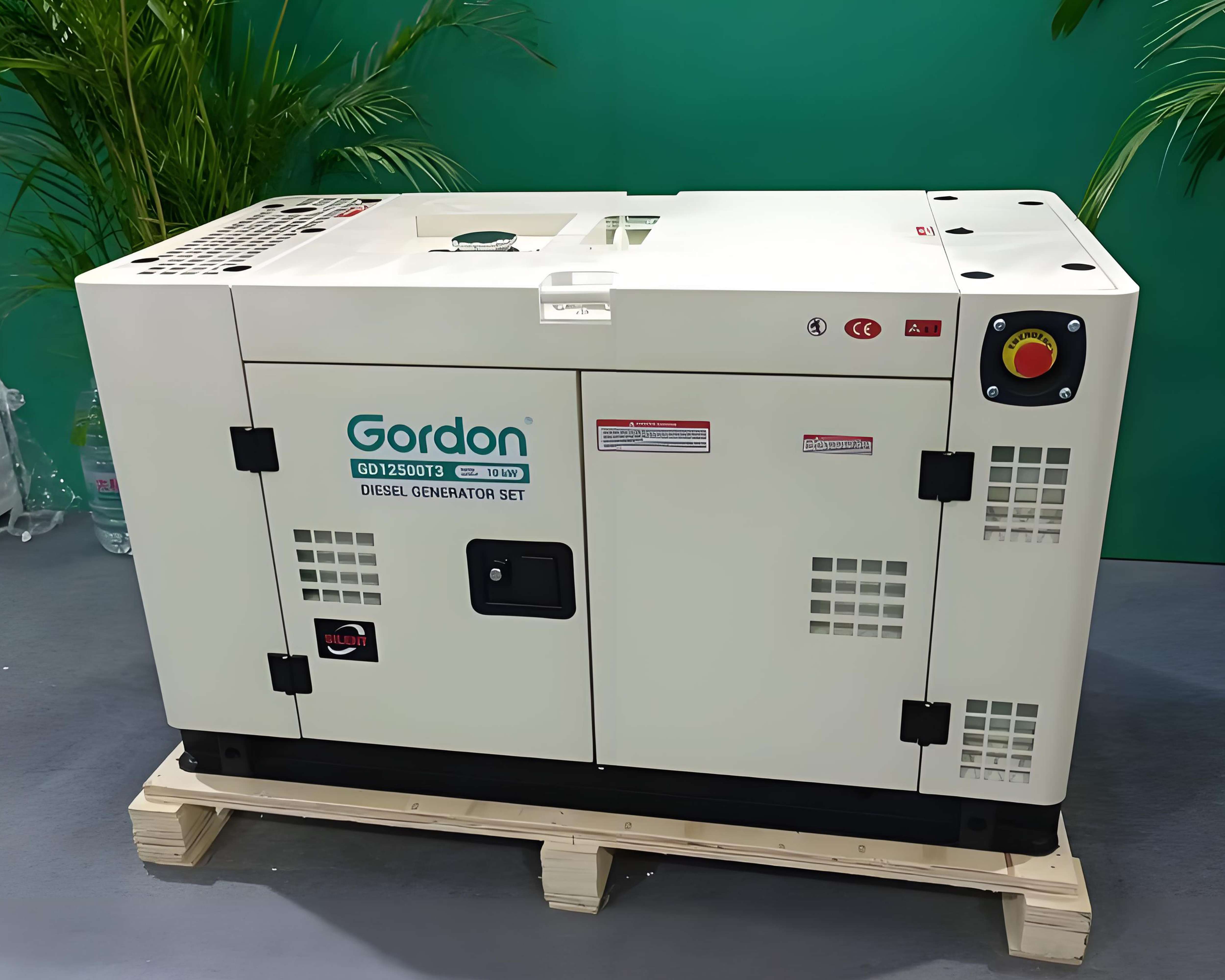
Credit: www.alibaba.com
Step-by-step Installation Process
Place the enclosure on a flat, stable surface near the generator. Check that it fits well without blocking access to controls or maintenance points. Keep space around for airflow and easy servicing.
Use strong bolts or screws to fasten the frame securely. Make sure it does not wobble or shift during operation. Tighten all fasteners evenly to keep the structure stable.
Line the inside walls with soundproof insulation material. This reduces noise from the generator. Cover gaps and corners carefully to avoid sound leaks.
Install vents or fans to allow fresh air to enter and hot air to exit. Proper airflow prevents overheating and keeps the generator cool. Position vents away from noise-sensitive areas.
| Component | Action |
|---|---|
| Electrical Connections | Connect wires following the generator’s manual. Use waterproof connectors to avoid corrosion. |
| Exhaust System | Attach exhaust pipes securely. Use clamps and sealants to prevent leaks. |
Testing And Maintenance Tips
Initial performance testingensures the enclosure works well with the generator. Check for any unusual noises or vibrations. Measure sound levels to confirm noise reduction meets expectations. Verify all controls and safety devices function properly. Record test results for future reference.
Routine inspection procedureskeep the enclosure safe and efficient. Look for cracks, corrosion, or loose parts regularly. Check seals and doors for tight closure. Inspect ventilation paths to avoid overheating. Keep an eye on wiring and connections to prevent faults.
- Examine enclosure surface for damage
- Test door locks and hinges
- Inspect insulation for wear
- Check ventilation and filters
- Verify electrical wiring integrity
Cleaning and repairshelp maintain performance. Remove dirt, dust, and salt deposits carefully. Use mild detergents and soft cloths to clean surfaces. Fix small damages like dents or loose screws immediately. Replace worn seals and filters on time. Keep the enclosure dry to avoid rust and mold.

Credit: fzrengine.en.made-in-china.com
Common Challenges And Solutions
Heat dissipationis crucial for marine diesel generators. Use ventilation fans and heat-resistant materials inside the enclosure. Leave space for air to flow freely around the generator. This helps avoid overheating and keeps the engine running smoothly.
Moisture build-upcan cause rust and damage. Install moisture barriers and use waterproof seals on all openings. Place desiccant packs inside the enclosure to absorb excess moisture. Regular checks and drying prevent mold and corrosion.
Noise leaksreduce the enclosure’s effectiveness. Seal all joints tightly with soundproofing foam or rubber gaskets. Cover ventilation openings with acoustic louvers to block sound but allow airflow. Inspect the enclosure regularly to fix any gaps or cracks that appear.
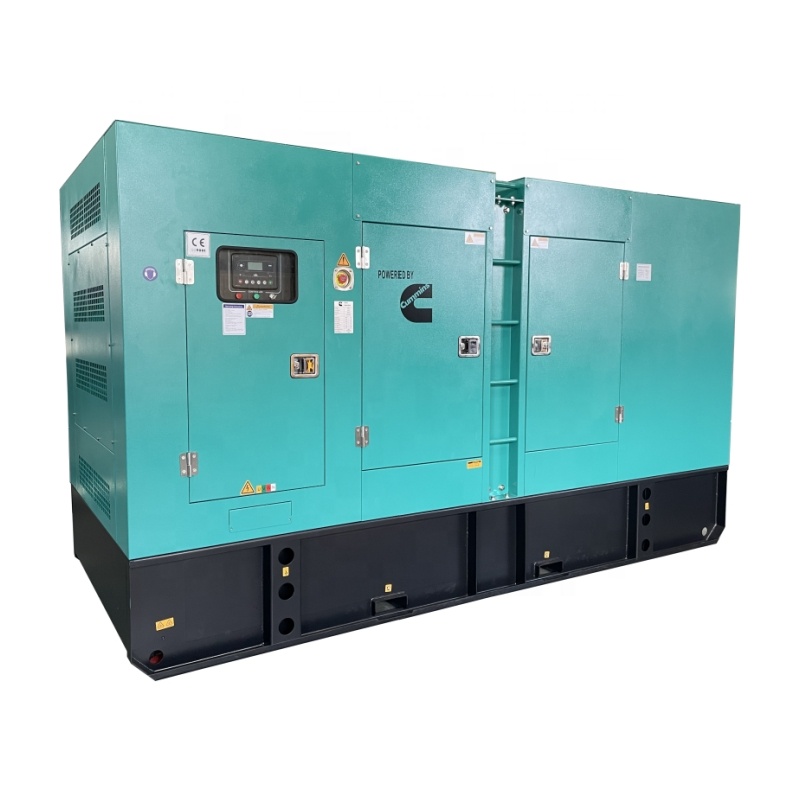
Credit: www.alibaba.com
Frequently Asked Questions
What Materials Are Best For Soundproof Marine Enclosures?
Marine enclosures should use high-density foam and mass-loaded vinyl. These materials absorb sound effectively. They also resist moisture and corrosion, ideal for marine environments. Proper sealing with weatherproof gaskets enhances noise reduction and protects the generator.
How To Measure Space For A Soundproof Enclosure?
Measure the generator’s length, width, and height accurately. Add at least 6 inches clearance on all sides. This space ensures airflow and maintenance access. Accurate measurements prevent enclosure fitting issues and optimize soundproofing performance.
Can I Install The Enclosure Myself Safely?
Yes, if you follow safety guidelines and manufacturer instructions. Use proper tools and wear protective gear. Ensure the generator is off and cooled before starting. If unsure, consult a marine technician to avoid damage or injury.
How Does A Soundproof Enclosure Affect Generator Cooling?
Soundproof enclosures include ventilation systems to maintain airflow. Proper ventilation prevents overheating while reducing noise. Use intake and exhaust vents with sound baffles. Regularly check ventilation to ensure efficient generator cooling.
Conclusion
Installing a soundproof enclosure helps reduce noise from your marine diesel generator. It improves comfort on your boat or ship. Follow the steps carefully to ensure a secure fit. Use the right materials for better sound absorption. Regular checks keep the enclosure in good condition.
A quiet generator means a peaceful environment. Soundproofing is worth the effort for daily use. Keep safety and ventilation in mind during installation. This guide makes the process easier and clear. Enjoy a quieter marine journey with proper soundproofing.