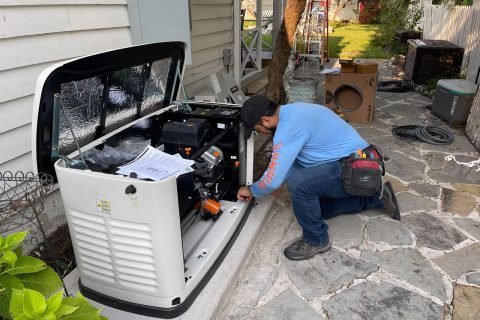
Are you tired of unexpected power outages disrupting your daily routine? Imagine a scenario where your home stays lit and your appliances keep running smoothly, regardless of what’s happening outside.
Installing a standby generator could be the game-changer you need to maintain peace of mind. In this guide, you’ll discover the straightforward steps to set up a standby generator, ensuring your home stays powered when you need it most. With this easy-to-follow approach, you can protect your home from power interruptions and enjoy uninterrupted comfort.
Ready to dive in and ensure your home is always prepared? Let’s get started!

Credit: aquariushomeservices.com
Choosing The Right Generator
Assessing power needsis key before choosing a standby generator. Calculate how many devices and appliances must run during an outage. Consider total wattageneeded for lights, fridge, heating, and other essentials. This helps pick a generator with enough power without overspending.
| Type of Standby Generator | Description | Best Use |
|---|---|---|
| Air-cooled | Smaller, quieter, and less expensive | Homes with moderate power needs |
| Liquid-cooled | More powerful and durable | Large homes or small businesses |
- Natural Gas:Clean, continuous fuel supply, requires gas line.
- Propane:Portable, longer storage life, needs tank refills.
- Diesel:Efficient, good for heavy loads, needs proper storage.

Credit: www.youtube.com
Preparing The Installation Site
Choosing the right locationfor your standby generator is very important. Pick a spot close to your home but not too near. It should be away from windows and doors to avoid fumesentering your house. The area must be easy to reach for service and fuel delivery.
Clear the ground of any debris, plants, or rocksbefore installation. Make sure the surface is flat and stable. This helps the generator stay safe and work well without tilting or sinking.
Good ventilationis key to keep the generator cool and stop dangerous gases from building up. Leave enough space around the generator for air to flow freely. Avoid placing it in tight, enclosed spots where heat and fumes can get trapped.
Gathering Necessary Tools And Materials
Gathering the right tools and materialsis key for installing a standby generator. Start by collecting the essential toolssuch as:
- Screwdrivers (flathead and Phillips)
- Adjustable wrench
- Voltage tester
- Wire strippers
- Drill with bits
- Pliers
Use proper safety gearto protect yourself. This includes:
- Insulated gloves
- Safety glasses
- Hearing protection
For the electrical components, have these ready:
- Transfer switch
- Generator cables
- Conduit and fittings
- Grounding rod and wire
- Circuit breakers
Organizing these tools and materials before starting saves time and ensures safety.
Installing The Generator Base
A concrete padis the best base for a standby generator. It keeps the generator stableand level. Start by choosing a flat spot near your home’s electrical panel. The pad should be at least 4 inches thickto support the generator’s weight. Use a wooden frame to shape the pad. Pour concrete evenly and smooth the surface. Let it dry for at least 24 hours.
Securing the generator to the pad is important. Use anchor boltsto fasten the generator. This stops it from moving during strong winds or vibrations. Check the generator’s manual for the right bolt size and placement. Tighten bolts with a wrench but do not overtighten.
Connecting The Fuel Supply
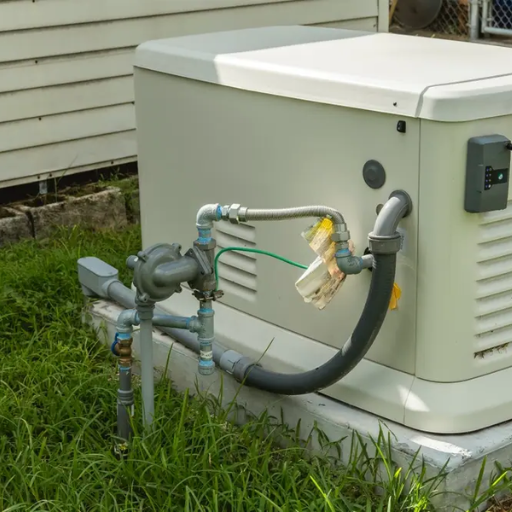
Use proper fuel linesthat match your generator’s fuel type. Make sure all connections are tight and secure. Use clamps to hold fuel lines firmly in place to prevent movement.
Check all connections for fuel leaksbefore starting the generator. Use soapy water to spot bubbles around joints. Tighten or replace any parts that leak fuel immediately.
| Fuel Storage Safety Tips |
|---|
| Store fuel in approved containers only |
| Keep fuel away from heat or open flames |
| Label containers clearly with fuel type |
| Store in a well-ventilated area |
| Avoid storing fuel near living spaces |
Wiring The Generator
Transfer switchessafely connect the generator to your home’s electrical system. They stop power from flowing back to the grid, protecting utility workers. Transfer switches come in two types: manualand automatic. Manual switches need you to flip a lever. Automatic switches turn on the generator when power goes out.
Connecting the generator to your home electrical panelrequires care. Turn off the main power before working. Use a proper transfer switch rated for your generator’s power. Run wires from the generator to the transfer switch. Then connect the switch to your home panel. This setup keeps your home safe and powered.
Proper groundingis very important. Ground wires prevent electric shock and damage. Connect the generator’s grounding wire to a grounding rod or your home’s grounding system. Check local codes for grounding rules. This step keeps you and your equipment safe.
Testing The Generator System
Before using the standby generator, perform an initial power-up. Check all connections and fuel levels. Start the generator and let it run for a few minutes. Listen for any unusual sounds and watch for warning lights. This ensures the generator is ready to work.
To test the system, simulate a power outage. Turn off the main power supply to your home. The generator should start automatically and power the essential circuits. Check if all connected appliances work properly. This test shows the generator’s response in real situations.
Troubleshooting common issues is key. Look for these problems:
- Generator won’t start: Check fuel and battery.
- Low power output: Inspect circuit breakers and wiring.
- Unusual noises: Tighten loose parts or call a technician.
- Warning lights: Refer to the user manual for error codes.
Regular testing helps keep the generator reliable and safe.
Maintaining Your Standby Generator
Routine inspections keep your standby generator in good shape. Check for any leaks, loose wires, or corrosion. Clean the area around the generator to avoid dust build-up.
Battery and fuel maintenance are very important. Test the battery often to ensure it holds a full charge. Replace old fuel with fresh fuelto prevent clogging. Store fuel in a cool, dry place.
| Maintenance Task | What to Do | Frequency |
|---|---|---|
| Routine Inspections | Check for leaks, loose wires, and clean area | Monthly |
| Battery Maintenance | Test battery, clean terminals, replace if needed | Every 3-6 months |
| Fuel Maintenance | Use fresh fuel, check fuel lines for cracks | Every 6 months |
| Professional Servicing | Have a technician inspect and service generator | Annually |
Schedule professional servicing yearly. Experts can find problems early. They keep your generator reliableand safe.
Safety Precautions During Installation
Electricity is dangerous.Always turn off power before starting work. Use tools with insulated handles. Wear rubber-soled shoes and gloves. Check wires and connections twice to avoid shocks. Never touch wet wires or equipment.
Fuel can catch fire easily.Store fuel in approved containers. Keep fuel away from sparks and flames. Use a funnel to avoid spills. Clean up any fuel spills right away. Work in a well-ventilated area to prevent fumes buildup.
- Carbon monoxide is deadly.Never run the generator indoors.
- Place the generator outside and away from windows.
- Install carbon monoxide detectors near living areas.
- Check for proper ventilation to keep air fresh.
- Do not block exhaust vents or openings.
Credit: shgeneratorset.com
Frequently Asked Questions
What Tools Are Needed To Install A Standby Generator?
You need a drill, wrenches, screwdrivers, wire strippers, and a voltage tester. Safety gear like gloves and goggles is essential. Also, have mounting hardware and conduit for wiring ready before starting installation.
How Long Does It Take To Install A Standby Generator?
Installation typically takes 4 to 8 hours for professionals. Time varies based on generator size and home wiring complexity. DIY installations may take longer due to technical challenges and safety precautions.
Can I Install A Standby Generator Myself Safely?
Yes, if you have electrical knowledge and follow safety guidelines. However, hiring a licensed electrician is safer and ensures code compliance. Improper installation risks injury and damage to your electrical system.
What Is The Best Location For A Standby Generator?
Place the generator outdoors on a flat, stable surface away from windows and vents. Ensure proper clearance for airflow and maintenance access. Avoid areas prone to flooding or heavy debris.
Conclusion
Installing a standby generator keeps your power on during outages. Follow each step carefully for safety and success. Check local rules before starting the installation. Use the right tools and parts to avoid issues. Test the generator after installation to ensure it works well.
Regular maintenance helps your generator last longer. Stay prepared, and enjoy peace of mind during storms or power failures.