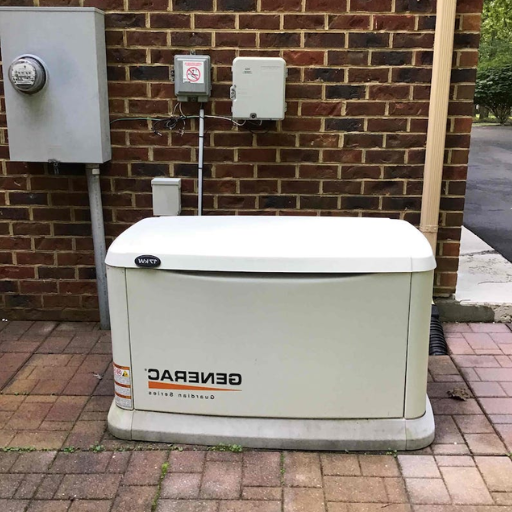
Are you looking to boost your business by offering a service that’s always in demand? Installing standby home generators might just be the opportunity you need.
Imagine being the go-to expert in your community, providing peace of mind to homeowners during power outages. You can position your business as essential, reliable, and indispensable. In this guide, you’ll discover the steps to seamlessly integrate generator installation into your services, attract new customers, and grow your business.
Stay with us as we unveil the secrets to becoming a trusted name in the standby generator industry. Your path to business growth and customer loyalty starts here.
Credit: www.premium-electric.ca
Choosing The Right Generator
Assessing power needs is key to choosing the right generator. Calculate total wattage your business requires during an outage. Consider devices and machines that run simultaneously. This helps avoid buying a generator that is too small or too big.
| Type of Generator | Best For | Power Source | Notes |
|---|---|---|---|
| Portable | Small businesses, temporary use | Gasoline or diesel | Easy to move, limited power output |
| Standby | Continuous power for larger businesses | Natural gas, propane, or diesel | Automatic start, higher power |
| Inverter | Sensitive electronics, quiet operation | Gasoline or propane | Clean power output, fuel efficient |
- Natural gas is common, clean, and available.
- Propane lasts longer, stores well, and burns clean.
- Diesel is powerful but needs regular maintenance.
- Fuel efficiency varies by model and usage.
- Choose fuel type that fits your business needs.
Legal And Safety Requirements
Installing a standby home generator for a business requires proper permits and approvals. Local governments often need an application before installation. This ensures the generator meets all legal rules and safety standards. Contact your city or county office to learn about these requirements.
Generators must follow strict safety codes and standardssuch as the National Electrical Code (NEC) and Occupational Safety and Health Administration (OSHA) rules. These rules cover wiring, fuel storage, and placement. Following these codes keeps workers and property safe.
Environmental rules also apply. Generators can emit pollutantsand noise. Check local environmental lawson emissions limits and noise levels. Proper disposal of fuel and waste is needed to protect the environment.
Site Preparation
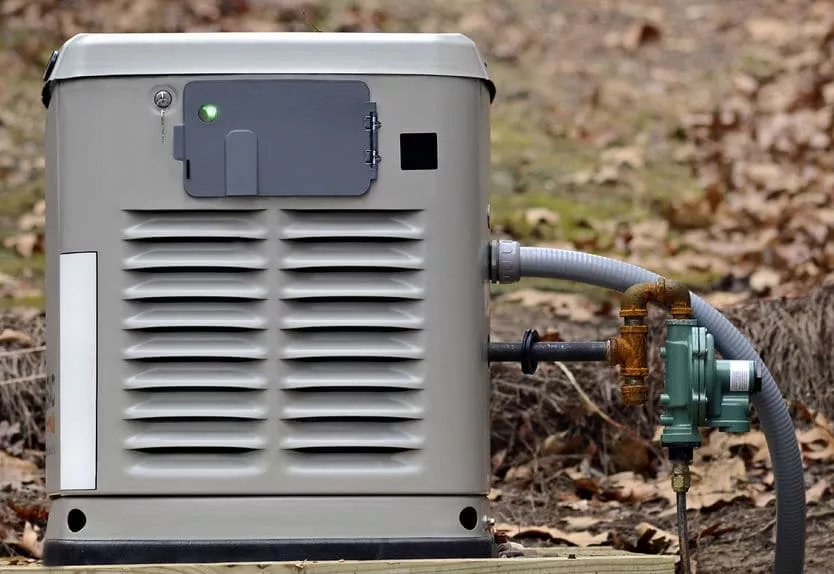
Choose a location for the generator that is close to the main power source. It should be easily accessible for maintenance. The spot must have good groundingto avoid electrical hazards. Proper ventilationis key to prevent overheating and allow exhaust gases to escape safely.
Clear the area of any debris, plants, or objects that might block the installation. Level the ground to provide a stable base. This helps the generator stay secure and work efficiently. A flat surface reduces wear and tear on the unit.
Credit: shgeneratorset.com
Installation Process
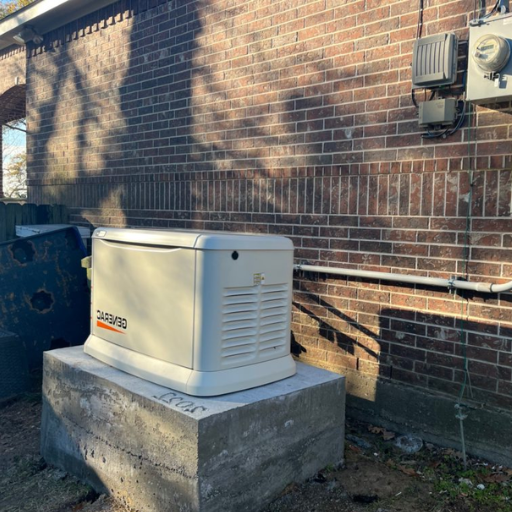
Mounting the generatorrequires a solid, level surface. Concrete pads are best for stability and safety. The generator must be placed near the home but away from windows and vents. Leave enough space for air circulation and maintenance access. Secure the generator to the pad using bolts to prevent movement during storms or vibrations.
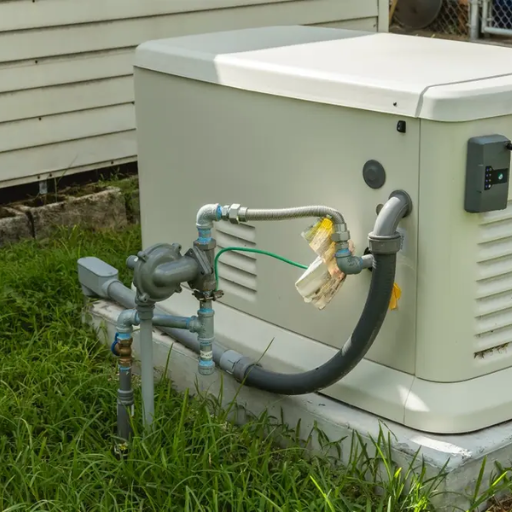
Electrical connectionsshould be done by a licensed electrician. The generator connects to the home’s main electrical panel through a transfer switch. This switch prevents power from the generator and utility lines from mixing. Proper wiring ensures safe and reliable power during outages. Grounding the system is essential to avoid electrical shocks.
Integrating with home systemsinvolves linking the generator to key appliances. Common connections include heating systems, refrigerators, and lights. Automatic transfer switches turn the generator on when power fails. Testing the system after installation confirms everything works correctly and safely.
Testing And Maintenance
Initial testingensures the generator works correctly before use. Check fuel levels and battery charge first. Test the transfer switch to confirm power shifts smoothly. Run the generator under load to see if it handles power needs. Listen for strange sounds or vibrations. Check for leaks or loose parts. Record all results for future reference.
Routine maintenance keeps the generator reliable. Change oil and filters regularly. Clean air filters to prevent dust buildup. Check coolant levels and refill if needed. Inspect spark plugs and replace if worn. Test battery voltage monthly. Run the generator for 20-30 minutes monthly to keep it ready. Tighten all bolts and connections to avoid failures.
| Common Issue | Possible Cause | Quick Fix |
|---|---|---|
| Generator won’t start | Dead battery or empty fuel tank | Charge battery or refill fuel |
| Low power output | Dirty air filter or faulty spark plug | Clean filter or replace spark plug |
| Generator shuts off unexpectedly | Overheating or low oil level | Check oil and coolant levels |
Building A Generator Installation Business
Marketing is key to attract customers. Use simple websites and local ads. Show clear benefits of standby home generators. Offer free quotes and quick responses. Building trust is important.
Teach customers how generators work. Provide easy guides and videos. Offer support during and after installation. This builds good relationships and repeat business.
| Cost Element | Tips to Manage | Pricing Strategy |
|---|---|---|
| Equipment | Buy in bulk to get discounts | Include equipment cost plus margin |
| Labor | Train staff for faster installation | Charge per hour or per job |
| Transport | Plan routes to save fuel | Add transport fee if far |
Credit: shgeneratorset.com
Frequently Asked Questions
What Permits Are Needed For Installing Standby Generators?
You typically need electrical and building permits from local authorities. Check zoning laws and safety codes before installation. Always consult with professionals to ensure compliance and avoid legal issues during the installation process.
How Long Does Standby Generator Installation Take?
Installation usually takes 1 to 3 days, depending on the site complexity. This timeframe includes electrical connections, fuel setup, and testing. Proper planning helps minimize downtime and ensures a smooth installation process.
What Is The Average Cost To Install A Standby Generator?
Costs range from $5,000 to $15,000, depending on generator size and installation complexity. Additional expenses may include permits, fuel lines, and electrical upgrades. Investing in a quality installation ensures reliable power backup for your business.
Can Standby Generators Run Automatically During Power Outages?
Yes, standby generators have automatic transfer switches that detect outages. They start the generator within seconds to provide uninterrupted power. This feature protects your business operations without manual intervention.
Conclusion
Installing standby home generators for your business keeps power steady and reliable. It protects your work from unexpected outages and costly delays. Follow safety rules and local codes to avoid problems. Choose the right size and brand for your needs.
Regular checks and maintenance keep the generator running well. This simple step can save time, money, and stress later. Stay prepared and keep your business running smoothly, no matter the weather or power issues.