
Imagine never worrying about power outages again. With a standby generator integrated into your smart home, you can ensure your household runs smoothly, no matter what.
Picture this: a storm hits, the power goes out, but your lights stay on, your fridge keeps running, and your security system remains active. Sounds like peace of mind, right? In this guide, you’ll discover how to seamlessly integrate a standby generator into your smart home setup.
We’ll walk you through the steps, making it simple and straightforward. Whether you’re tech-savvy or just starting out, you’ll find valuable insights that fit your needs. You don’t want to miss out on the opportunity to enhance your home’s reliability and efficiency. Read on to learn how you can transform your living space into a powerhouse of convenience and security.
Credit: www.ecobee.com
Benefits Of Standby Generators
Standby generators provide a steady power supply. During a power outage, they kick in automatically. This ensures your home stays powered and safe. Lights, appliances, and devices keep working. No need to worry about disruptions or being in the dark.
These generators are designed to be energy efficient. They use fuel smartly to produce power. This reduces waste and saves money. With efficient energy use, you get more power per drop of fuel. This makes them a smart choice for any home.
Installing a standby generator can increase your home’s value. Buyers see it as a valuable feature. It provides peace of mind and ensures continuity. A home with reliable power is more appealing. This can make your property stand out in the market.
Choosing The Right Generator
There are several types of generators. Portable generators are easy to move. They are best for small needs. Standby generators are large and stay in one place. They start automatically during power outages. Inverter generators are quiet and efficient. They are good for sensitive electronics.
Think about how much power you need. A small generator can power lights and a fridge. A medium generator can handle more appliances. A large generator can power the whole house. Check the wattage of items you want to run. Add them up to know your needs.
Generators use different fuels. Gasoline is common and easy to find. Diesel lasts longer and is efficient. Natural gas connects to your home supply. It is convenient but may be unavailable in emergencies. Propane stores well and is clean. Choose the best for your area.
Smart Home Compatibility
Smart homes need compatible systems. Ensure your generator works with your setup. Many generators connect to popular home systems. Check compatibility before buying. This ensures smooth operation. Some systems need extra hardware. Install it for better integration. Use professional help if needed.
Remote monitoring is important for home safety. It lets you check the generator from anywhere. This helps in emergencies. Alerts are sent to your phone. This keeps you informed. Some generators need Wi-Fi for this feature. Always ensure a stable connection.
Smart apps make controlling generators easy. They offer simple interfaces. Adjust settings with a tap. Some apps offer voice control. This adds convenience. Always use official apps. They ensure security and functionality. Regular updates improve performance.

Credit: www.achrnews.com
Installation Process
A good site for the generator is important. It should be flat and dry. A generator needs air to cool down. Make sure there is enough space around it. Stay away from windows and doors. Noise can be a problem. It should not disturb neighbors. A safe distance is key. Check local rules and regulations. They guide where to place the generator.
Safety is very important. Always turn off the main power first. Generators can be dangerous. Keep kids and pets away. Use gloves and goggles. They protect your eyes and hands. Never use a wet generator. Water and electricity don’t mix. Ventilation is a must. It stops harmful gases from building up. Follow manufacturer guidelines.
Hiring a pro is smart. They know the rules and steps. They connect wires safely. Professionals have the right tools. They test the generator after installation. This ensures it works well. A pro can handle unexpected issues. They make the process smooth and safe. Save time and avoid stress with a professional.
Maintenance Tips
Check your generator often for any signs of wear. Look for loose wires or parts. Clean the area around the generator. Make sure it is free from dust and debris. Inspect oil levels to keep the engine running smoothly. Change the oil if needed. This helps the generator last longer.
Keep the battery terminals clean. Dirt can cause connection issues. Check the battery charge regularly. A weak battery won’t start the generator. Replace old batteries when they lose charge quickly. Store spare batteries in a cool place.
Sometimes the generator won’t start. First, check the fuel supply. Make sure there is enough fuel. Ensure the battery is charged. Listen for unusual noises. This could mean a mechanical problem. If unsure, call a technician for help. Keep a simple troubleshooting guide handy.
Cost Considerations
The costof a standby generator depends on size and brand. Bigger generators cost more. Installation costs add to the price. Electricianscharge for connecting the generator. A smart home system may need extra equipment. Budget for these costs.
Generators need fuel to run. Gasoline, diesel, or propane are options. Fuel price affects total costs. Regular maintenance is necessary. This includes oil changes and part replacements. Expenses vary with generator use.
Generators save money during power outages. They prevent food spoilage in refrigerators. Protect electronic devices from damage. Less disruption to daily life. Investing in a generator can be cost-effectiveover time.
Future Of Smart Home Generators
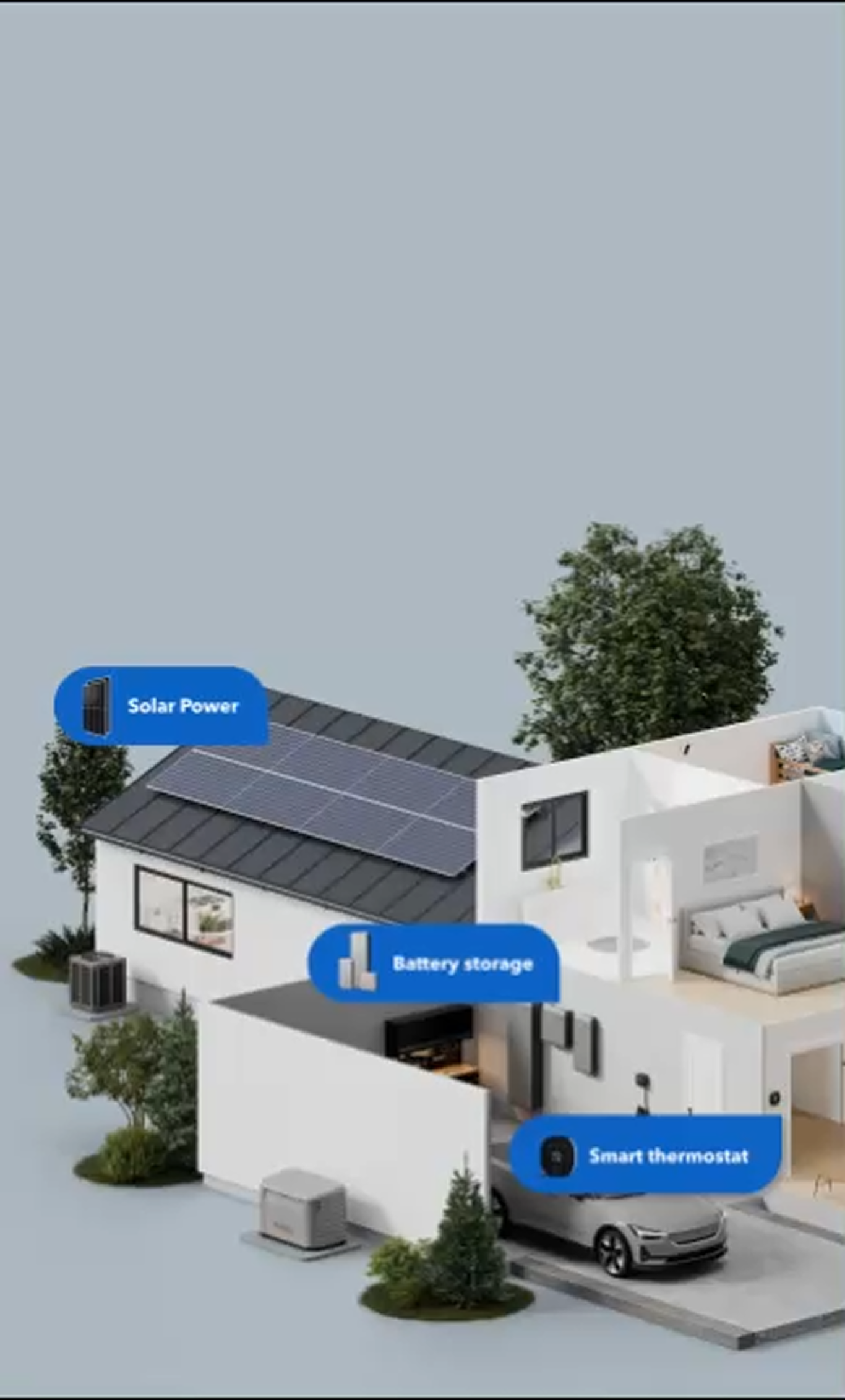
Integrating a standby generator into a smart home offers seamless power management. Smart systems monitor energy usage and automatically switch to backup during outages. This ensures uninterrupted power supply and enhances home efficiency.
Technological Advancements
Smart generators are becoming more advanced every year. They now connect with home systems seamlessly. Remote monitoring is possible with mobile apps. Automatic start during power outages is a key feature. Noise reduction technology makes them quieter. Wireless connectivity is improving user experience. Smart diagnostics help in identifying issues early.
Sustainable Energy Solutions
Smart generators now use cleaner energy. Solar integration is a popular option. Battery storage is becoming efficient. Wind-powered generators are available for homes. Hybrid models use multiple energy sources. Eco-friendly designs reduce carbon footprint. Energy-efficient models save on electricity bills.
Market Trends
- Smart generators are gaining popularity.
- Prices are becoming more affordable.
- Brands offer longer warranties.
- Customization options are increasing.
- Demand for energy-efficient models is rising.

Credit: www.facebook.com
Frequently Asked Questions
How Do You Connect A Standby Generator To Your House?
Hire a licensed electrician to install a transfer switch. Connect the generator to the transfer switch. Ensure proper grounding and compliance with local codes. Test the generator to confirm it powers your home’s circuits effectively. Always prioritize safety and professional installation to avoid hazards.
How To Connect Generac Generator To Wi-fi?
Download the Mobile Link app on your smartphone. Create an account or log in. Follow the app’s instructions to connect your Generac generator to Wi-Fi by selecting your network and entering the password. Ensure your generator is compatible with Wi-Fi connectivity.
How Do I Monitor My Generac Generator?
Monitor your Generac generator using the Mobile Link app. It provides real-time updates and alerts. Regularly check the control panel for any error codes. Schedule routine maintenance to ensure optimal performance. Ensure Wi-Fi connectivity for remote monitoring and access to detailed reports.
Can You Control A Generator Remotely?
Yes, you can control a generator remotely. Use a wireless remote control system or smartphone app. Ensure compatibility with your generator model for seamless operation. This allows you to start, stop, and monitor your generator from anywhere, enhancing convenience and efficiency.
Conclusion
Integrating a standby generator into your smart home boosts convenience. It ensures uninterrupted power during outages. This setup enhances security and comfort. A generator can be easily synced with smart devices. You gain control through apps and voice commands. This seamless integration minimizes manual efforts.
It offers peace of mind knowing your home functions smoothly. Consider professional help for installation. Safety and efficiency are crucial. With proper setup, your smart home stays powered. Enjoy a reliable and hassle-free experience. Your smart home adapts to power changes.
A generator makes it smarter.