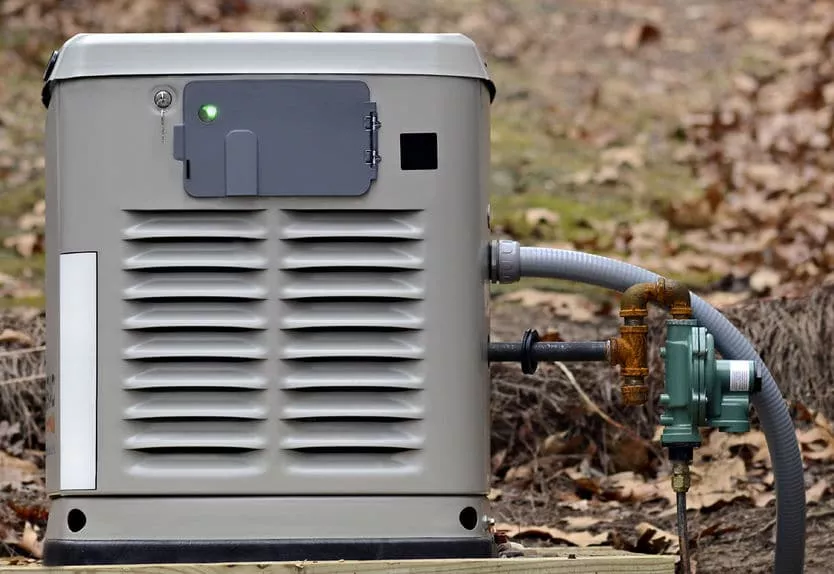
Imagine this: a storm is raging outside, and suddenly your home is plunged into darkness. The fridge stops humming, the TV screen goes blank, and your phone’s battery is rapidly draining.
But wait, you have a standby generator! It’s your hero in these moments of crisis, ready to restore power and peace of mind. But is it truly ready? Your standby generator is a crucial lifeline in emergencies, ensuring that you can keep the lights on and essential appliances running.
However, like any machine, it requires regular upkeep to perform at its best when you need it most. The good news is, keeping your generator in tip-top shape doesn’t have to be complicated. With a few simple steps, you can ensure it’s always prepared to leap into action. In this guide, you’ll discover how easy it is to maintain your standby generator, guaranteeing it stays reliable and efficient. From routine checks to preventative measures, we’ll walk you through everything you need to know to keep your generator ready for any emergency. Stay with us to uncover practical tips that could save you from unexpected power outages and ensure your home remains a safe haven, no matter what.
Choosing The Right Generator
Standby generators come in different types. Portable generators are easy to move. Permanent generators stay in one place. Inverter generators are quiet and use less fuel. Each type has its own benefits. Choose the one that fits your needs best.
Think about how much power you need. Small homes need less power. Big homes with many appliances need more power. Check how much power each generator offers. Match it with your home needs. This helps to keep everything running smoothly.
Generators use different types of fuel. Gasoline is easy to find but runs out fast. Propane lasts longer and burns cleaner. Diesel is strong but can be smelly. Natural gas connects to home gas lines. Pick the fuel that is easiest for you to get.
Installation Essentials
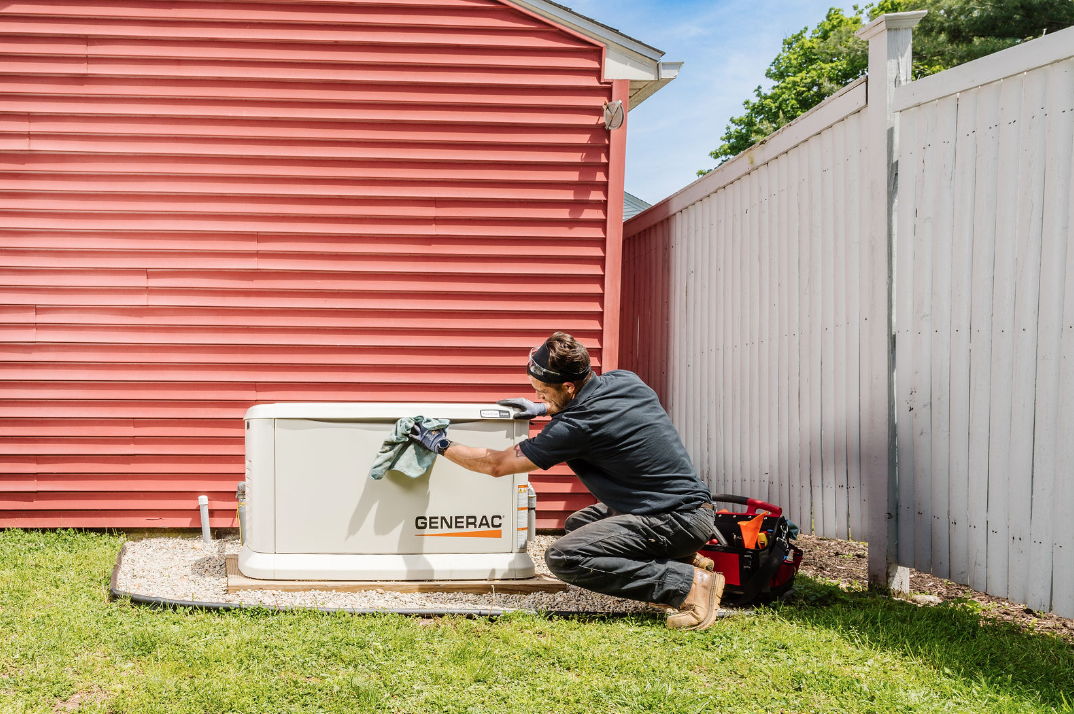
Regular maintenance ensures your standby generator is always ready. Check fuel levels and replace old fuel. Test the system monthly to catch issues early.
Location Considerations
Choose a safe spotfor your generator. It should be away from water. Water can damage it. Keep it outsidethe house. This prevents harmful fumes inside. Ensure there is enough space around it. Airflow keeps it cool. Avoid placing it near windows or doors. Noise might disturb you.
Professional Installation
Hire a qualified electricianfor installation. They know the job well. This ensures your safety. They connect the generator properly. It prevents any future problems. They also check all wires. This avoids any fire hazards. Hiring professionals gives peace of mind.
Regular Maintenance Checks
Generators need oil to run smoothly. Old oil can harm the engine. Change the oil after every 100 hours of use. Use the right type for your generator. Filters keep dirt away from the engine. Dirty filters can cause problems. Replace them regularly. This keeps the generator in good shape.
Batteries start the generator. A dead battery means no power. Check the battery often. Look for rust or leaks. Clean the battery terminals. Make sure the connections are tight. Charge the battery if needed. This helps the generator start quickly.
The cooling system stops the generator from getting too hot. Check the coolant levels. Low coolant can cause overheating. Look for leaks in the system. Hoses should be firm, not soft. Replace them if worn out. Clean the radiator fins. This keeps air flowing well.

Credit: www.jackery.com
Testing And Exercising The Generator
Test the generator every month. This ensures it stays in good condition. Monthly tests help find problems early. Follow the manufacturer’s guidelinesfor testing. This keeps the generator safe and ready. Regular testing saves money on repairs later.
Simulate power outages to check the generator. Turn off the main power switch. Let the generator start automatically. Watch how the generator powers your home. This practice gets you ready for real emergencies. Simulations help find issues before they cause trouble.
Test the automatic transfer switchoften. It moves power from the grid to the generator. Make sure it works smoothly. This switch is crucial in emergencies. If it fails, the generator can’t help. Keep it in top shape for safety.
Fuel Management Strategies
Keep fuel in secure containers. Avoid leaks and spills. Store in a cool, dry place. Protect from sunlight. Check containers regularly for damage. Replace old containers promptly. This ensures fuel safety.
Test fuel often for quality. Look for dirt and water. Bad fuel can harm generators. Use a fuel stabilizerto keep it fresh. Change fuel if it smells bad. Watch out for color changes. Good fuel keeps generators running.
- Plan a regular refueling time.
- Never let fuel run low.
- Check fuel level weekly.
- Refuel before a storm or emergency.
- Keep track of refueling dates.
Consistent refueling keeps your generator ready.

Credit: lj-machine.com
Safety Precautions
Carbon monoxideis a silent danger. It has no smell or color. Keep generators outside, away from windows and doors. This helps avoid poison gas coming inside.
Generators need fresh airto work safely. Place them in open spaces. Never use them in closed rooms. Fresh air lets dangerous gases escape.
Learn how to turn off your generator quickly. This is important during emergencies. Make sure everyone knows how to do it. Practice the shutdown steps often.
Upgrading And Replacing Components
Regularly upgrading and replacing components ensures your standby generator stays ready for emergencies. This proactive approach prevents unexpected failures and extends the lifespan of your equipment. Keep critical parts in top condition for reliable performance when needed most.
Signs Of Wear And Tear
Generators work hard during emergencies. Parts can wear out over time. Look for rust and corrosion on metal surfaces. Listen for strange noises from the engine. Smoke can mean trouble. Check for leaks around hoses and fittings. Loose wires may cause problems. Cracked belts need replacing. Keep an eye on battery life.
Technology Upgrades
New tech can make generators better. Smart systems help track usage. They send alerts for maintenance needs. Remote controls allow easy operation. Efficient engines save fuel. Quiet models reduce noise levels. Solar options are eco-friendly. Digital displays show real-time data. Automatic switches start power quickly.
Cost Considerations
Upgrades and repairs can cost money. Budget wisely for generator care. Compare prices from different shops. Quality parts last longer. Look for discounts on bulk purchases. DIY fixes can save cash. Check for warranties on new components. Plan ahead for big expenses. Ensure value for money when upgrading.
Credit: pehomegenerators.com
Expert Advice And Resources
Talk to a generator expert for the best advice. They can check your generator. They will ensure it runs smoothly. Professionals can fix any problems quickly. They know everything about generators. Regular check-ups are important. This helps avoid sudden breakdowns. Always have a trusted expert’s contact.
Join a workshop to learn about generators. Workshops teach how to operate them. You can learn to fix small issues. Training helps in emergencies. You can save time and money. Workshops are fun and informative. Many people find them helpful.
Many websites offer generator tips. You can find videos and guides. These resources are easy to understand. Online help is available anytime. You can learn at your own pace. Many people find online tips useful. Always choose reliable websites for information.
Frequently Asked Questions
How Do You Keep A Generator When Not In Use?
Store the generator in a cool, dry place. Drain fuel or use a stabilizer. Clean it thoroughly. Cover it to protect from dust. Regularly check for any signs of wear or damage.
How Long Can You Continuously Run A Standby Generator?
A standby generator can run continuously for 200 hours, depending on fuel type and maintenance. Regular checks and refueling ensure optimal performance. Always follow the manufacturer’s guidelines for safe operation.
How To Protect A Standby Generator?
Protect a standby generator by installing a weather-resistant enclosure and performing regular maintenance. Use surge protectors to safeguard against power fluctuations. Ensure proper ventilation and keep the area clean and dry. Secure connections and check oil levels frequently for optimal performance.
How To Prepare A Portable Generator For Storage?
Drain fuel completely to prevent damage. Clean the generator thoroughly, removing dirt and debris. Store in a cool, dry place to avoid moisture. Disconnect the battery to preserve its life. Cover the generator with a protective sheet to shield it from dust and pests.
Conclusion
Keeping your standby generator ready is crucial. Regular checks prevent unexpected issues. Maintain fuel levels to ensure smooth operation. Clean the generator often to avoid dust buildup. Test it monthly for reliable performance. Address minor repairs early to avoid bigger problems.
Store your generator in a dry place to protect it. Follow manufacturer guidelines for maintenance. A ready generator brings peace of mind during emergencies. Remember, preparation saves time and stress. A well-maintained generator is a dependable ally. Stay prepared, stay safe.