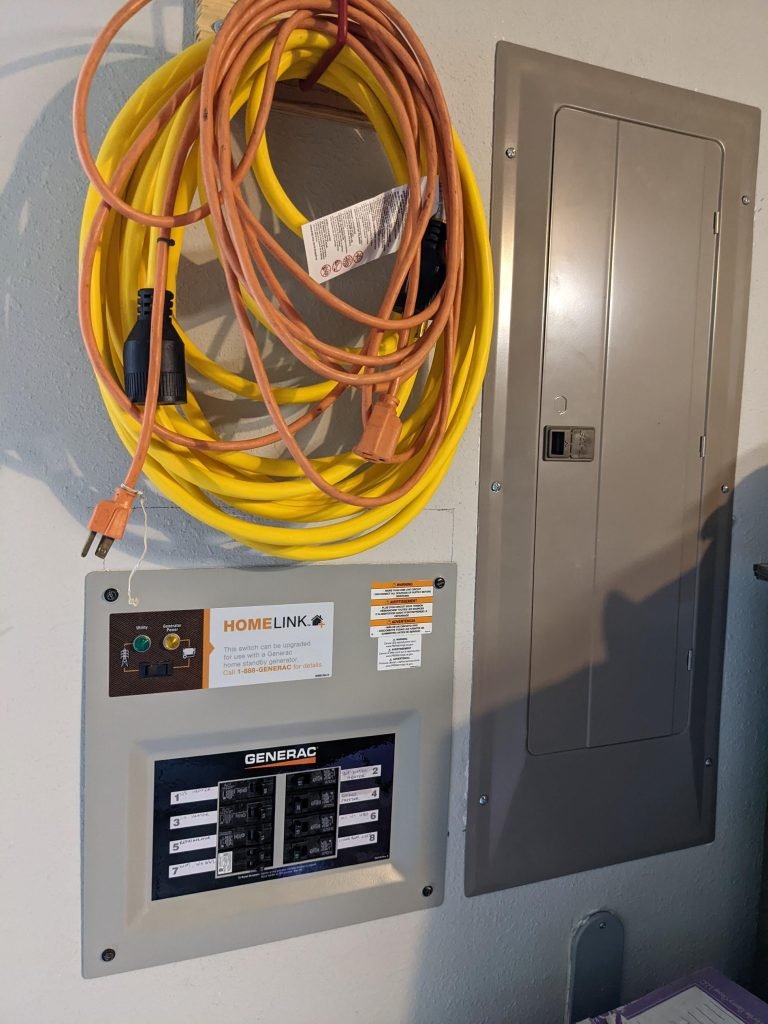
Are you planning to set up a generator for your home or business? Ensuring that your transfer switch is compatible with your generator is crucial.
This compatibility not only guarantees smooth operation but also ensures safety and efficiency. But how can you be certain that the transfer switch you have or are considering will work seamlessly with your generator? This guide will help you uncover the key details to look for and the steps to take, so you can make an informed decision without any stress.
By the end of this article, you’ll have the confidence to choose the right components for your power setup, ensuring peace of mind during unexpected outages. Let’s dive into the essential factors you need to consider.
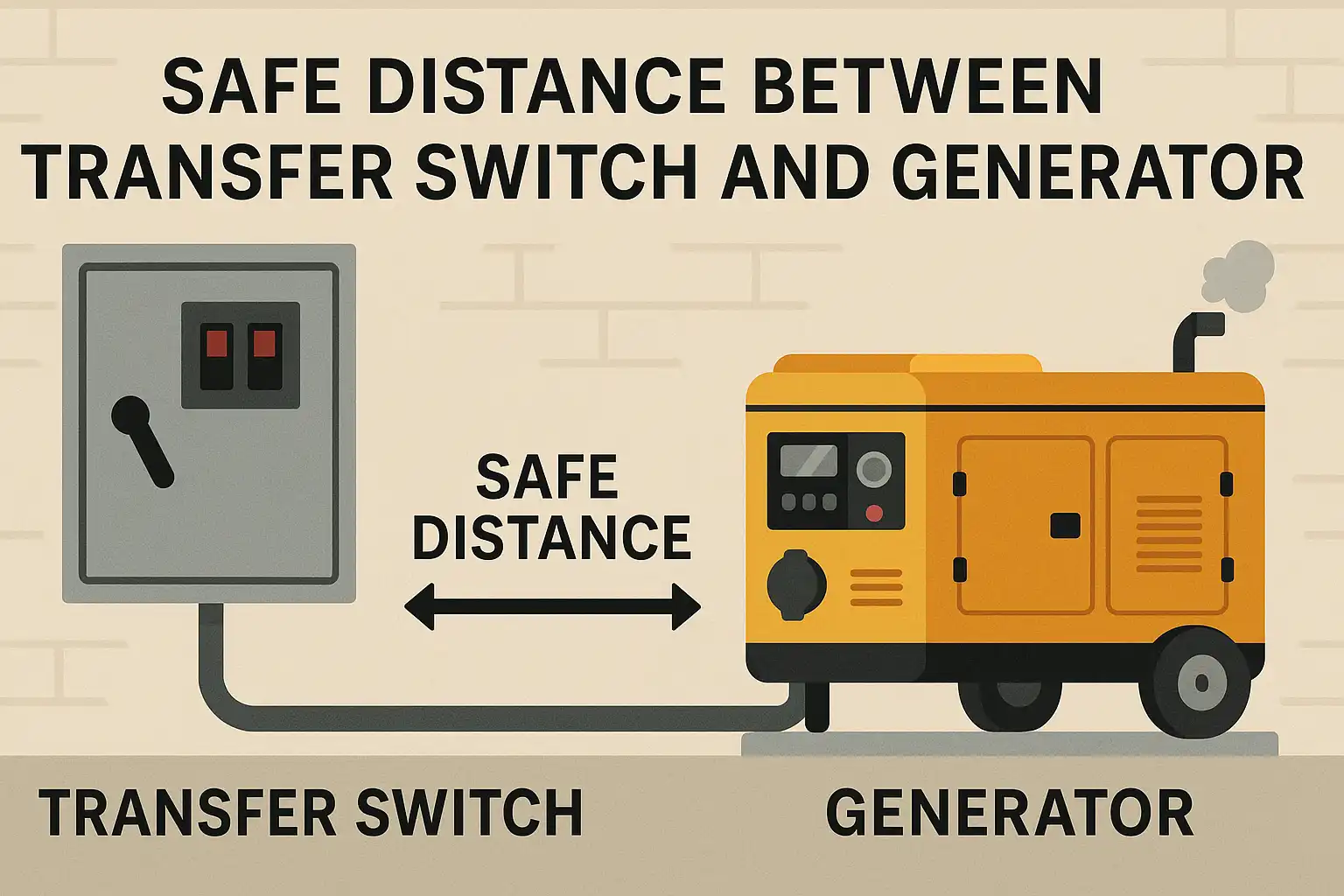
Credit: www.onesto-ep.com
Types Of Transfer Switches
Manual transfer switchesrequire you to switch power sources by hand. They are simple and cost less. You turn off the main power, then switch to the generator.
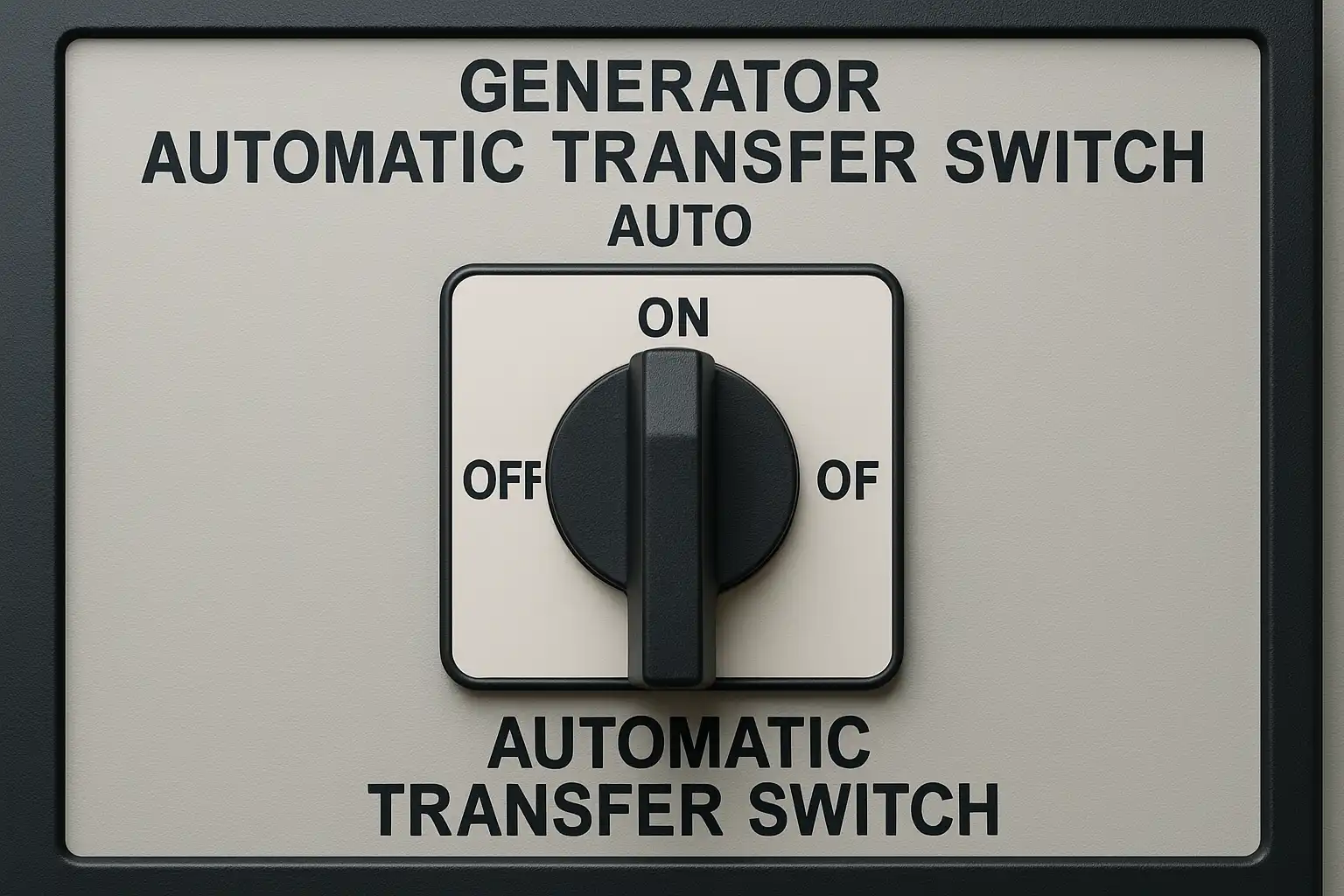
Automatic transfer switchesswitch power sources on their own. When the main power fails, they start the generator and switch power automatically. This is useful for homes and businesses that need constant power.
| Type | Can Switch Under Load? | Use Case |
|---|---|---|
| Load-Break | Yes | Can switch even when power is flowing. Good for many setups. |
| Non-Load-Break | No | Must switch only when power is off. Safer for simple systems. |
Generator Power Ratings
Wattagetells how much power a generator can give. It has two types:
- Running watts: Power used when things work normally.
- Surge watts: Extra power needed to start big machines.
A transfer switch must handle both runningand surge wattsfrom your generator.
Check the generator’s output to match the switch’s rating. The switch should support the highest wattagethe generator can make.
Voltage And Phase Compatibility
Single-phasetransfer switches work with single-phase generators. They supply power to homes and small buildings. Three-phaseswitches match three-phase generators. These are used for larger buildings or industrial needs. Using the wrong phase can cause damageor power failure.
Voltage must match between the generator and transfer switch. Common voltages include 120V, 240V, and 480V. Using a switch with a different voltage can cause equipment damageor unsafe conditions.
Frequency is also important. Most generators and switches use 60 Hz or 50 Hz. The frequency of the transfer switch must match the generator. Mismatched frequency can cause malfunctionor damage.
| Compatibility Factor | Key Points |
|---|---|
| Phase | Single-phase vs. Three-phase must match |
| Voltage | Switch voltage rating must equal generator voltage |
| Frequency | Both should use the same frequency, 50 Hz or 60 Hz |

Credit: www.vevor.ca
Transfer Switch Specifications
Ampere ratingsof the transfer switch must match the generator output. This rating shows the maximum current the switch can handle safely. Choosing a switch with a lower ampere rating than the generator can cause damage or failure.
Circuit breaker compatibilityis key. The transfer switch should support the same type and size of circuit breakers as the generator panel. This ensures proper protection and smooth operation during power transfer.
Connection typesvary between transfer switches and generators. Common types include plug-inand hardwiredconnections. The switch and generator must have compatible connectors or adapters for a safe and stable link.
Safety Standards And Certifications
UL Listingsshow that a transfer switch meets safety tests. Always check for a UL mark. It means the switch passed strict rules. This helps avoid risks like fire or electric shock.
NEC Compliancemeans the switch follows the National Electrical Code. This code sets rules for safe electrical work. Using NEC-compliant switches helps keep your home safe and legal.
Manufacturer Guidelinesgive clear advice on compatibility. Read them carefully before buying or installing. They explain which generators work with the switch. Following these tips prevents damage and keeps things safe.
Installation Considerations
Choosing between professional installationand DIYdepends on your skills. Professionals ensure correct wiringand safe setup. DIY saves money but needs careful attention to details.
Check the wiring compatibilitybetween the generator and transfer switch. Match the voltage, amperage, and connections. Incorrect wiring can cause damageor failure.
| Factor | Consideration |
|---|---|
| Location | Place the switch where it is easy to reach and protected from weather. |
| Accessibility | Allow space for maintenance and emergency use. |
Troubleshooting Compatibility Issues
Common problemsinclude voltage mismatch and wrong amperage ratings. These cause the generator or switch to fail. Another issue is incorrect wiring. This can stop the switch from working properly. Listen for unusual noises or smells during operation. They signal a problem.
Testing transfer switch functionrequires turning off the main power. Then, start the generator and switch power to the generator side. Check if the switch moves power without interruption. Use a multimeter to measure voltage and current. This confirms the switch works well with the generator.
When to upgradedepends on the age and performance of the switch. If the switch shows signs of wear or cannot handle the generator’s power, it needs replacing. Newer models offer better safety and compatibility features. Upgrading ensures smooth power transfer and protects your home.
Credit: www.onesto-ep.com
Frequently Asked Questions
How To Check Transfer Switch Compatibility With Generator?
Check the generator’s wattage and voltage ratings. Match these with the transfer switch’s specifications. Ensure both support the same phase type (single or three-phase). Consult the switch’s manual or manufacturer to confirm compatibility before installation.
Can A Transfer Switch Work With Any Generator Brand?
Not always. Compatibility depends on electrical ratings and connection types, not brand alone. Some switches are universal, but others are brand-specific. Always verify the switch’s specs and consult product documentation to ensure it fits your generator.
What Voltage Ratings Should Match Between Switch And Generator?
The transfer switch voltage rating must equal the generator output voltage. Common ratings are 120V, 240V, or 120/240V. Mismatched voltages can cause damage or failure. Always confirm voltage compatibility for safe and efficient operation.
Why Is Phase Type Important For Transfer Switch Compatibility?
Generators and transfer switches must share the same phase type: single-phase or three-phase. Using different phase types can cause electrical faults or damage. Confirm phase compatibility to ensure proper power transfer and safety.
Conclusion
Choosing the right transfer switch matters for your generator’s safety. Check the power ratings carefully. Match the switch type with your generator model. Look for clear labels and instructions. Avoid guesswork to prevent damage or hazards. A proper fit ensures smooth power transfer during outages.
Take time to compare options before buying. This helps keep your home powered and safe. Simple steps lead to reliable backup power. Stay informed and prepared for any blackout.