
Are you tired of unexpected power outages disrupting your daily life or business operations? Choosing the right standby generator could be your saving grace.
But how do you determine the right capacity for your needs? You might feel overwhelmed by the technical details and endless options. Don’t worry; you’re not alone. We’ll guide you step-by-step on how to know what capacity standby generator is perfect for you.
By the end, you’ll have the clarity you need to make a confident choice, ensuring that your home or business stays powered up and worry-free. Keep reading to discover how to make the best decision for your peace of mind and your wallet.

Credit: vtoman.com
Assessing Your Power Needs
List all important appliancesyou want to power during an outage. Include lights, fridge, heater, and other devices. Check each appliance’s wattageon their labels or manuals. Add these wattages to find the total power needed. Remember, some appliances need more power to start than to run.
Consider the peak power demand, which is the highest power needed at once. This usually happens when multiple devices run together. Add extra watts to cover this peak demand. It helps avoid overloading your generator.
Think about future expansion. You may add more appliances or devices later. Choose a generator with a higher capacity than your current needs. This way, you won’t need a new generator soon.
Types Of Standby Generators
Choosing the right capacity for a standby generator depends on your power needs and the type of appliances you want to run. Different generators serve different loads, from small homes to large buildings. Understanding these types helps avoid under or oversizing your system.
Air-cooled Vs Liquid-cooled
Air-cooled generatorsuse fans to keep the engine cool. They are lighter, smaller, and easier to maintain. Best for homes with less power need.
Liquid-cooled generatorsuse coolant to control temperature. They work quieter, last longer, and handle bigger loads. Good for large homes or businesses.
Fuel Options
- Natural Gas:Clean and easy to supply if connected to a gas line.
- Propane:Stored in tanks, burns cleaner than gasoline.
- Diesel:Powerful and efficient but can be noisy and needs more care.
- Gasoline:Common and easy to find but less safe for long-term storage.
Automatic Vs Manual Start
- Automatic startswitches on the generator instantly during power loss.
- Manual startneeds someone to turn it on by hand.
- Automatic models offer more convenience and safety.
- Manual models are cheaper but require attention.
Factors Affecting Generator Capacity
Starting wattsare the extra power needed to start appliances. This is often higher than running watts, which is the power needed to keep them working. Knowing both helps pick the right generator size.
Some devices need a quick burst of energy. For example, refrigerators and air conditioners need more power to start. This surge can be two to three times their running watts.
- Plan for the highest surge watts to avoid generator overload.
- Sum all running watts of devices you want to power at once.
- Include starting watts for appliances that need a surge.
Load managementhelps by controlling when devices run. This avoids starting too many appliances at the same time. It keeps the generator from being overloaded.
- Use timers or smart switches to spread out power use.
- Turn off non-essential devices during high load times.
- Check your generator’s manual for load limits and advice.
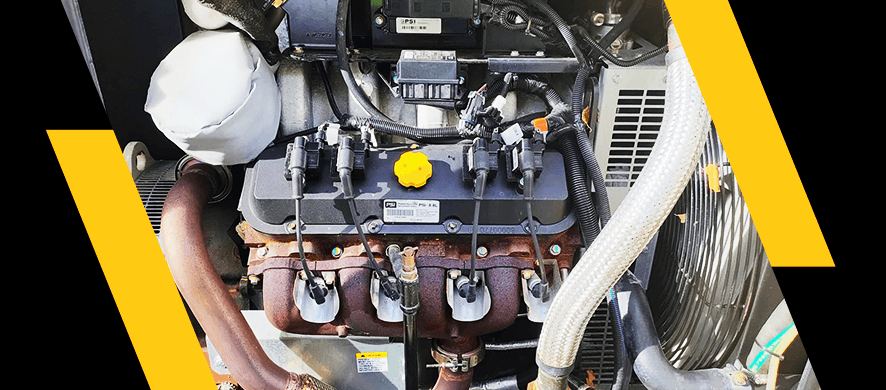
Credit: woodstockpower.com
Sizing Methods
A load calculatorhelps estimate the power needs of your home or business. It lists appliances and devices, then adds their wattages. This shows the total wattage needed. Choose a generator with a capacity above this total. This ensures it can handle the load safely.
Manufacturer guidelinesprovide useful tips on sizing standby generators. These guidelines show typical wattage requirements for different home sizes and appliances. Following these helps pick the right size without guesswork. Always check the manual or website of the generator brand you want.
A professional assessmentis the most accurate way to size your generator. Experts use special tools to measure your power needs. They also check your home’s wiring and appliances. This ensures the generator can run all your important devices. Hiring a professional avoids problems from wrong sizing.
Installation Considerations
Choosing the right locationis key for your standby generator. It needs enough spacefor installation and maintenance. Avoid places near windows or doors to reduce noise inside your home.
Always check local codes and permits. Some areas require permits before installation. These rules keep your home and neighbors safe. Contact your local office to learn what is needed.
Noise and emission levels matter for comfort and environment. Select a model with low noise outputto keep your area quiet. Also, choose a generator that meets emission standardsto reduce pollution.

Credit: www.popularmechanics.com
Maintenance And Longevity
Regular maintenance extends your standby generator’s life and ensures reliable power during outages. Checking fuel, oil, and load capacity helps maintain optimal performance and longevity. Proper care prevents breakdowns and costly repairs over time.
Routine Checks
Regular checks keep your standby generator working well. Look for leaks, unusual noises, and loose parts. Test the battery to ensure it holds charge. Change oil and filters as the manual says. Clean air filters to help the engine breathe. Run the generator monthly to keep parts moving. Check the control panel for error messages or alerts.
Fuel Storage And Quality
Store fuel in a cool, dry place, away from sunlight. Use fresh fuel to avoid clogging or damage. Add fuel stabilizer to keep fuel fresh for longer. Drain old fuel before storing the generator for months. Keep the fuel tank clean to prevent dirt and water buildup.
Service Contracts
- Hire experts for regular service and repairs.
- Service contracts save time and worry.
- Professionals know how to spot problems early.
- They use proper tools and parts for your model.
- Contracts may include emergency support and inspections.
Frequently Asked Questions
What Size Generator Do I Need For My Home?
Calculate your home’s total wattage needs by listing all essential appliances. Add starting watts for devices with motors. Choose a generator with a capacity 10-20% higher than this total for safety and future use.
How To Calculate Standby Generator Capacity?
Add up the wattage of all appliances you want to power simultaneously. Include starting watts for items like refrigerators and pumps. Select a generator with a capacity slightly above this sum to ensure reliable performance.
Can A Generator Run All Home Appliances Simultaneously?
Not usually. Most standby generators power essential appliances only. For full home coverage, a larger, more expensive generator is needed. Prioritize critical devices to avoid overload and ensure continuous power during outages.
Why Is Starting Wattage Important In Sizing Generators?
Starting wattage is the extra power needed to start motors in appliances. It can be 2-3 times higher than running wattage. Ignoring it may cause generator overload and failure during startup.
Conclusion
Choosing the right standby generator capacity is key for safety and comfort. Know your home’s power needs clearly. Add up the watts of all essential appliances. Think about future power use too. A generator that is too small can cause problems.
Too large wastes money and fuel. Use this guide to decide wisely. Stay prepared for any power outage. Your home will stay safe and powered. Simple steps lead to smart choices.