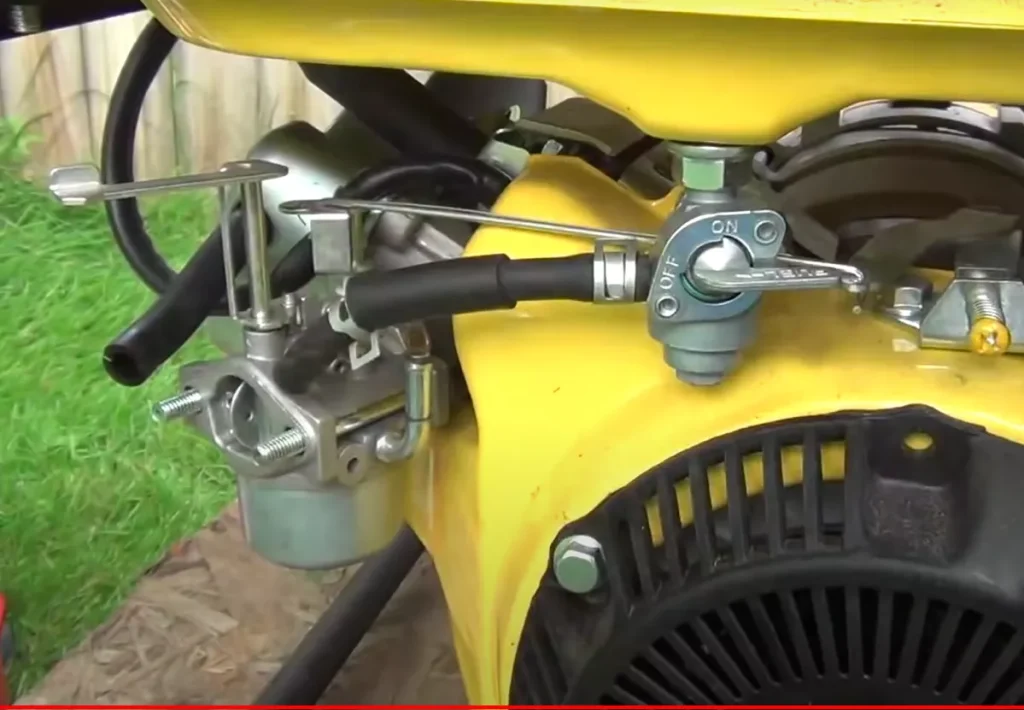
Are you noticing unusual noises or decreased efficiency from your generator? It might be time to give its moving parts some much-needed attention.
Lubricating these components is crucial for keeping your generator running smoothly and extending its lifespan. But where do you start? Understanding the right techniques and products can make all the difference in maintaining optimal performance. In this guide, you’ll discover straightforward, actionable tips on how to properly lubricate your generator’s moving parts.
Stick around, and you’ll soon have the confidence to tackle this essential maintenance task with ease, ensuring your generator is always ready when you need it most.
Why Lubrication Matters
Lubricationis key to keeping a generator running smoothly. It reduces frictionbetween moving parts, which helps them move more easily. This means the generator uses less energy and runs better.
Without proper lubrication, parts can get worn outor even break. This causes costly repairsand downtime. Lubrication also helps protect parts from rustand corrosion, which can happen over time.
- Reduces friction for smoother operation
- Prevents parts from wearing out quickly
- Protects against rust and corrosion
- Improves energy efficiency
- Extends generator life

Credit: muckymariners.com
Types Of Lubricants
Oils and greases are common lubricants for generator parts. Oilsflow easily and reach tight spaces. They work well for high-speed parts. Greasesare thicker and stay in place longer. They protect parts from water and dust.
Choosing the right viscosityis key. Viscosity means how thick or thin the lubricant is. Thin oils flow better but may not protect well under heavy pressure. Thick oils and greases protect better but may slow moving parts.
| Type | Advantages | Best Use |
|---|---|---|
| Thin Oil | Flows easily, good for fast parts | High-speed bearings |
| Thick Oil | Better protection under pressure | Heavy load gears |
| Grease | Stays in place, protects from dirt | Seals, slow moving parts |
Synthetic lubricantslast longer and work well in extreme temperatures. Mineral lubricantscome from natural oils and are cheaper. Synthetic types protect better but cost more. Mineral oils are fine for normal use.
Identifying Moving Parts
Common parts that need lubricationinclude the engine bearings, fan belts, and the cooling fan shaft. These parts move constantly and can wear out without oil. The generator’s alternator and rotor also need regular attention. Keeping these parts lubricated helps the generator run smoothly and last longer.
Signs of dry or worn componentsare easy to spot. Look for squeaking or grinding noises during operation. If parts feel stiff or hard to move, they likely need oil. Also, check for rust or dust buildup, which can cause damage. Lubricated parts usually move quietly and freely.
Credit: www.bisonindustry.com
Tools And Materials Needed
Essential lubrication toolsinclude a clean cloth, lubricant oil, and a grease gun. A small brush helps spread oil evenly. Use a wrench to open any sealed parts carefully. Keep a container handy to catch old oil or grease. These tools make the job easier and cleaner.
Safety gearis very important. Wear gloves to protect your hands from hot or sharp parts. Safety glasses keep dust and oil out of your eyes. Work in a well-ventilated area to avoid breathing fumes. Make sure the generator is off and cooled down before starting. These steps keep you safe while lubricating.
Step-by-step Lubrication Process
Ensure the generator is turned off and cool before starting. Clean any dirt or dust from moving parts using a soft cloth. Check the owner’s manual for the correct lubricant type. Use gloves to keep your hands clean and safe.
Apply the lubricant sparingly to avoid excess buildup. Focus on gears, bearings, and other moving parts. Use a brush or a grease gun for even coverage. Avoid getting lubricant on belts or electrical parts. Wipe off any extra lubricant to prevent dirt sticking.
After lubrication, run the generator briefly to spread the lubricant well. Listen for unusual noises that may indicate a problem. Inspect parts for smooth movement and no signs of leaks. Reapply lubricant if parts seem dry or noisy.

Credit: www.morganscloud.com
Maintenance Tips For Longevity
Regular lubrication is essentialto keep generator parts moving smoothly. Lubricate every 50 to 100 hoursof use, or as the manual says. Over-lubrication can cause damage, so use only the right amount.
Check the oil level and type before applying new lubricant. Clean the parts to remove dirt and old grease. Use a quality lubricant designed for generators.
- Watch for unusual noises or vibrations.
- Look for signs of wear or rust.
- Check for leaks around moving parts.
- Test the generator regularly to catch issues early.
Proper lubrication helps reduce friction, prevent rust, and extend the life of your generator. Remember to store the generator in a dry placeto avoid moisture build-up.
Frequently Asked Questions
How Often Should I Lubricate Generator Moving Parts?
Lubricate generator moving parts every 6 to 12 months. Check your owner’s manual for specific intervals. Regular lubrication prevents wear and ensures smooth operation.
What Type Of Lubricant Is Best For Generators?
Use high-quality, manufacturer-recommended lubricants. Typically, synthetic or multi-grade oils work well. Avoid using thick or dirty lubricants to prevent damage.
Can I Lubricate Generator Parts While Running?
No, always turn off and cool down the generator first. Lubricating moving parts while running risks injury and uneven distribution of lubricant.
How Much Lubricant Should I Apply To Generator Parts?
Apply a thin, even layer of lubricant. Avoid over-lubricating as excess can attract dust and cause damage. Follow manufacturer guidelines for exact amounts.
Conclusion
Regularly lubricate your generator’s moving parts to keep it running smoothly. Clean old grease and dirt before applying fresh lubricant. Use the right type of oil or grease for each part. Proper care helps avoid breakdowns and extends your generator’s life.
Check lubrication often, especially after heavy use. Small efforts now save big repair costs later. Take time to maintain your generator well. It will work better and last longer. Simple steps make a big difference in performance. Keep your generator ready whenever you need power.