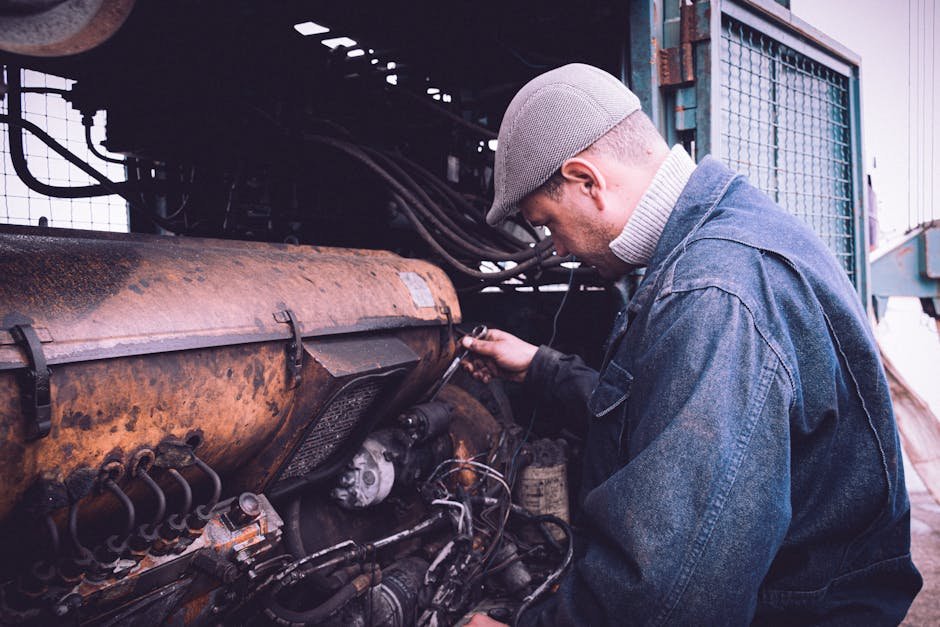
Keeping your diesel generator in top-notch condition is crucial for ensuring it runs smoothly when you need it most. Imagine facing a power outage only to find your generator won’t start.
Frustrating, right? That’s why knowing how to maintain a diesel generator can save you time, money, and stress. You’re about to discover simple yet effective tips that will prolong the life of your generator and enhance its performance. You’ll learn how to spot minor issues before they become major headaches.
So, if you want peace of mind and a reliable power backup, stick around. This guide is designed with you in mind, making sure you have all the insights you need to keep your generator humming along.
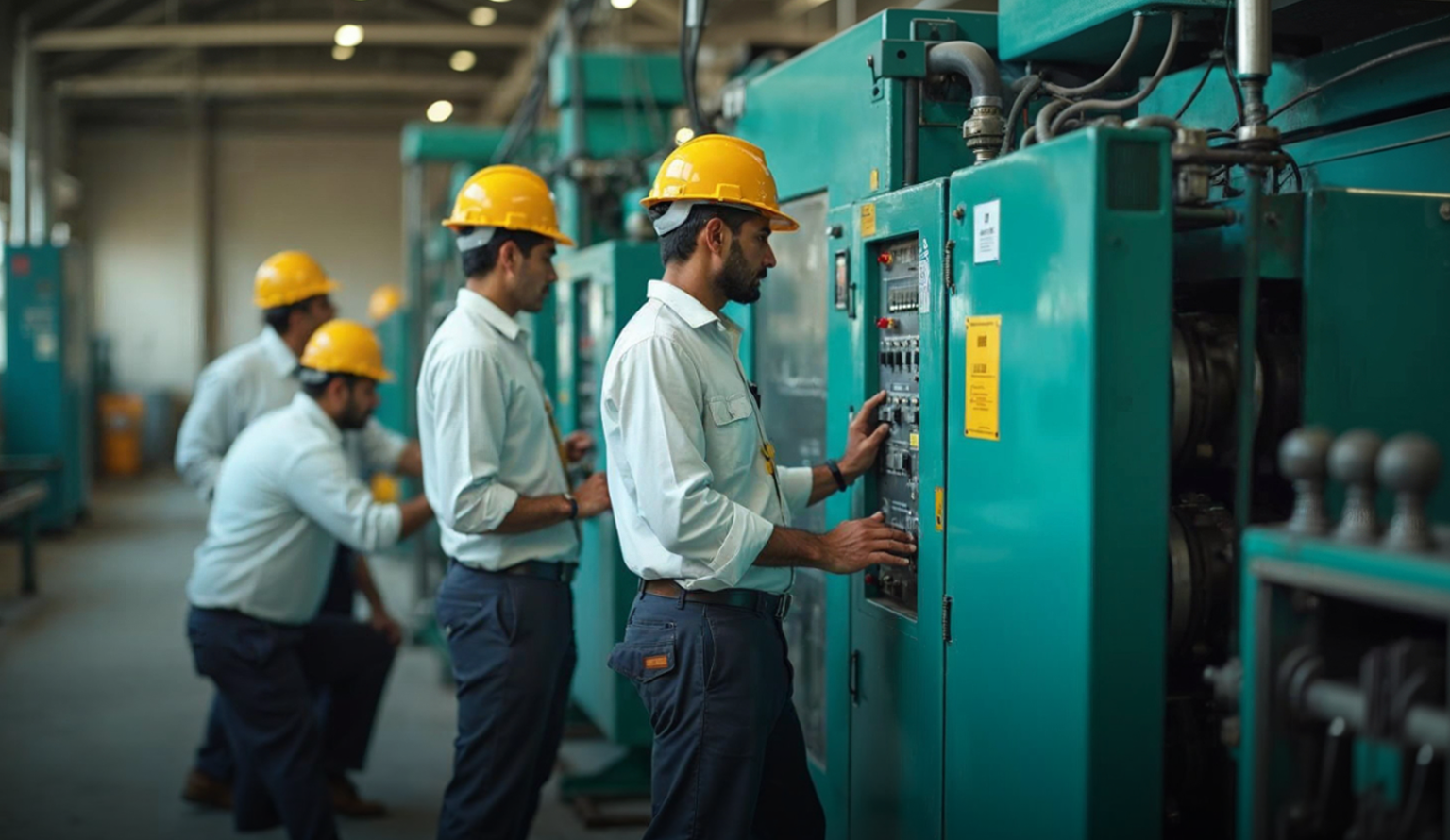
Credit: www.jakson.com
Routine Inspection
Routine inspection ensures your diesel generator runs smoothly and reliably. Check fuel and oil levels regularly. Inspect belts, hoses, and filters for wear.
Visual Checks
Check the outside of the generator for dirt and damage. Look for cracks or leaks in the body. Make sure all parts are in place. Check if wires are loose or broken. This helps keep the generator safe. Also, ensure there are no obstructions around the unit. This helps in good airflow. Good airflow prevents overheating. Visual checks are quick and easy. They help find problems early.
Fluid Levels
Check the oil level regularly. Use the dipstick to measure it. Oil keeps parts moving smoothly. Low oil can harm the engine. Next, check the coolant level. Coolant stops the engine from overheating. Make sure the fuel tank is full. Running out of fuel can damage the generator. Check the battery for any leaks. Leaking batteries can cause problems. Keep fluid levels in check for a healthy generator.
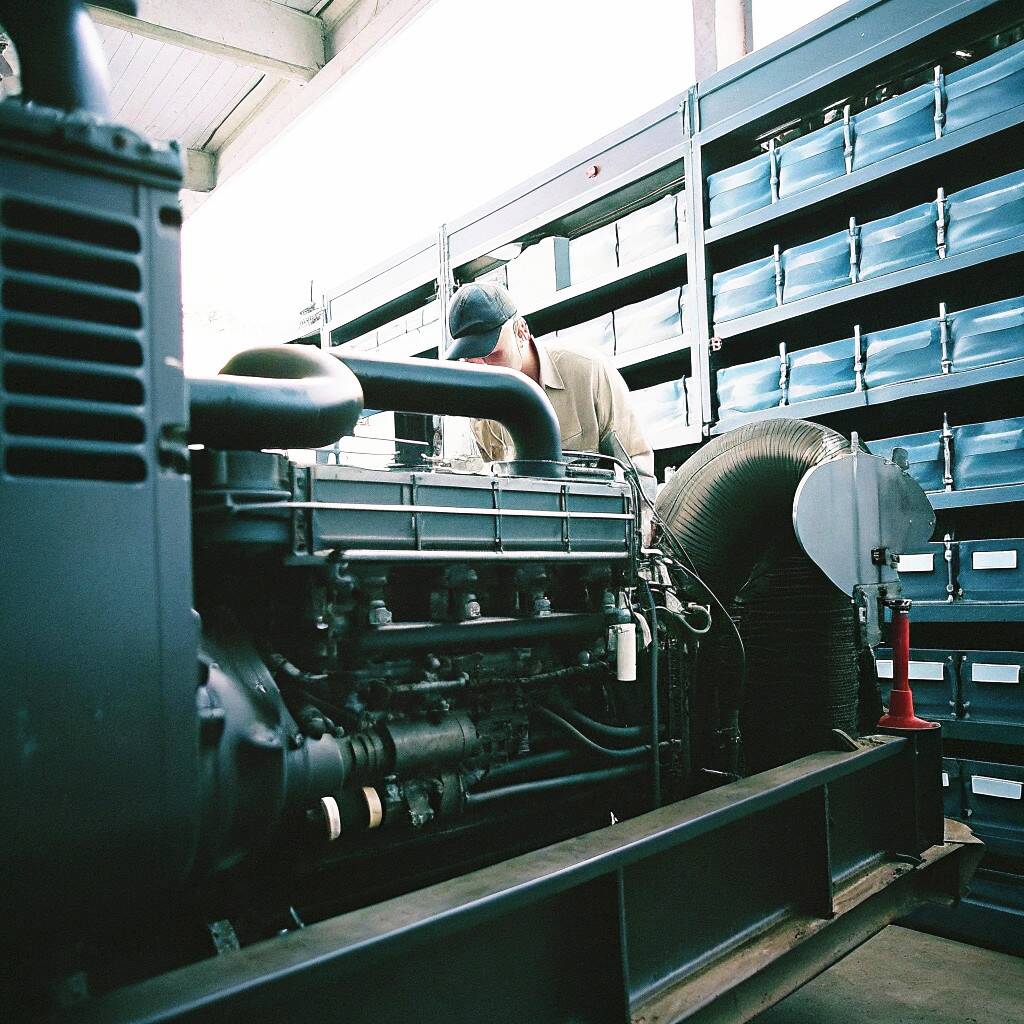
Credit: waltpower.com
Cleaning Procedures
Regular cleaning keeps a diesel generator running smoothly. Remove dust and dirt from surfaces to prevent overheating. Check air filters and fuel systems for debris to ensure efficient operation.
Exterior Cleaning
Keep the generator’s exterior clean for better performance. Use a soft cloth to wipe off dust and dirt. Avoid using strong chemicals that can damage the surface. Check for oil leaks and clean them promptly. Make sure vents are free from debris to prevent overheating. Regular cleaning helps the generator run smoothly.
Air Filter Maintenance
Maintain the air filter regularly for efficient airflow. Dust and dirt can block the filter, reducing performance. Remove the filter and shake off loose dirt. For deeper cleaning, use compressed air carefully. Replace the filter if it’s too dirty or damaged. A clean air filter improves the generator’s efficiency and lifespan.
Fuel System Care
Regularly clean and replace fuel filters to keep diesel generators running smoothly. Check for water in the fuel system to prevent damage. Use quality diesel fuel to ensure efficiency and longevity.
Fuel Quality
Always use high-quality diesel fuelfor your generator. Low-quality fuel can damage the engine. It can cause problems and reduce efficiency. Store fuel in a clean, dry place. This prevents contamination. Check fuel for water and dirt before use. Clean fuel helps your generator run smoothly. Regular checks keep your generator healthy.
Fuel Filter Replacement
Change the fuel filterregularly. It keeps dirt and debris out of the engine. A clean filter means a happy engine. Follow the manufacturer’s guidelines for replacement. Use the correct filter for your model. This ensures proper fit and function. A new filter improves performance and extends engine life. Keep spare filters on hand for emergencies.

Credit: waltpower.com
Battery Maintenance
Keep the battery fully charged to ensure smooth generator performance. Use a reliable charger for best results. Check the charge level regularly to avoid surprises. A well-charged battery ensures the generator starts quickly. Ensure the charger is compatible with the battery type. Always follow the manufacturer’s instructions for charging. This prevents damage and extends battery life.
Inspect battery terminals for corrosion or rust. Clean them with a soft cloth if needed. Tighten any loose connections to ensure good contact. A clean terminal ensures efficient power flow. Use a wire brush for tough spots. Ensure terminals are dry before reconnecting. Safety first: wear gloves during inspection. Regular checks prevent unexpected power issues.
Cooling System Checks
Check the coolant levelin your diesel generator regularly. Low coolant can cause overheating. Use a dipstick or gauge to measure. Always wait for the engine to cool. Never open the radiator cap when hot. Add more coolant if necessary. Use the right type for your generator. Follow the manufacturer’s instructions closely.
Inspect the radiatorfor any visible damage. Look for leaks or clogs. Ensure the radiator fins are clean. Dust and dirt can block airflow. Use a soft brush to clean the fins. Do not use high-pressure water. Check hoses for cracks or wear. Replace damaged parts immediately. Keep the radiator in good condition.
Regular Testing
Regular testing ensures your diesel generator runs smoothly. Early detection of issues prevents costly repairs. Test power output and fuel efficiency regularly.
Load Testing
Testing with a load checks the generator’s ability. It helps ensure the generator works under stress. Load testing can prevent unexpected failures. It’s crucial for long-term reliability. During the test, monitor the power output closely. Adjust settings if the generator struggles. This test keeps the generator in good shape.
Performance Monitoring
Keep an eye on how the generator performs. Watch for unusual noises or vibrations. Check the fuel and oil levels regularly. Keep records of any issues. Tracking performance helps find problems early. Monitoring can save money on repairs. Regular checks ensure the generator runs smoothly. Pay attention to any changes in efficiency.
Professional Servicing
Regularly inspect and clean filters to ensure optimal performance of your diesel generator. Check oil levels and replace old oil to prevent engine damage. Conduct routine tests to identify any potential issues early.
Scheduled Maintenance
Regular checks keep the generator running smoothly. Check oil, filters, and fuel levels. Clean the air filters often. Inspect belts and hoses for damage. Change parts before they wear out. This prevents costly problems later. Follow the manufacturer’s guidelines for best results. Technicians can spot issues early. Schedule servicing every few months.
Emergency Repairs
Sometimes things go wrong. The generator might not start. It could make strange noises. Call an expert quickly. They fix problems fast. Parts might need replacing. Wires could be loose. Technicians have special tools. They know what to check. Emergency repairs get the generator running again. Always have a repair plan ready.
Frequently Asked Questions
How Often Do Diesel Generators Need Maintenance?
Diesel generators require maintenance every 250 to 500 hours of operation. Regular checks ensure optimal performance and longevity. Monthly inspections are crucial to detect potential issues early. Follow manufacturer guidelines for specific maintenance schedules. Proper care reduces breakdown risks and enhances efficiency.
Regular servicing safeguards investment and ensures reliable power supply.
How Do You Maintain A Diesel Generator?
Regularly check oil levels and change filters to ensure smooth operation. Inspect and clean the air filter frequently. Test battery and connections monthly. Run the generator periodically to prevent fuel issues. Schedule professional servicing annually for optimal performance.
What Is A Downside Of Using Diesel Generators?
Diesel generators produce emissions that harm the environment and contribute to air pollution. They can be noisy, disturbing nearby residents or businesses. Maintenance costs are high, requiring regular fuel supply and servicing. Diesel fuel prices fluctuate, affecting operational costs. They are less efficient for continuous power supply compared to renewable energy sources.
How Long Can Diesel Sit In A Generator?
Diesel can sit in a generator tank for 6 to 12 months without degrading. Regular maintenance and fuel additives extend its shelf life. Check for contamination or water buildup frequently to ensure optimal generator performance. Always store diesel in clean, airtight containers to prevent oxidation.
Conclusion
Maintaining a diesel generator ensures it runs smoothly and lasts longer. Regular checks prevent costly repairs and downtime. Clean filters improve efficiency and keep the engine healthy. Check oil levels to avoid damage. Keep fuel fresh to prevent clogs. Inspect belts and hoses for wear.
Tighten any loose connections. Test the battery often. Schedule professional servicing yearly. Pay attention to unusual sounds or leaks. Proper maintenance saves money and ensures reliable power supply. Follow these tips to enjoy a trouble-free generator experience. Stay proactive with upkeep for peace of mind.