Imagine losing power right when you need it the most. Your standby generator is your safety net, ready to keep your home or business running smoothly during an outage.
But how can you be sure it will work when the time comes? Taking care of your standby generator is easier than you think, and doing it right can save you stress, money, and downtime. You’ll discover simple, effective steps to maintain your generator so it’s always ready to protect you and your loved ones.
Keep reading to learn how to keep your power steady, no matter what.
Choosing The Right Generator
Standby generators come in different types. The common ones include portableand automaticmodels. Automatic generators turn on by themselves during power outages. Portable generators need manual start and are easier to move. Choose based on your power needsand space.
Size matters. A generator too small will not run all your devices. Too big wastes fuel and money. Calculate your total wattage by adding all devices you want to power. Choose a generator with a bit more capacity than your total wattage.
| Fuel Type | Pros | Cons |
|---|---|---|
| Gasoline | Easy to find, good power output | Short shelf life, needs frequent refills |
| Propane | Clean burning, longer shelf life | Less power per unit, needs tank |
| Natural Gas | Unlimited supply if connected, clean | Needs gas line, not portable |
| Diesel | Fuel efficient, lasts long | Louder, emits more pollutants |
Routine Inspection Steps
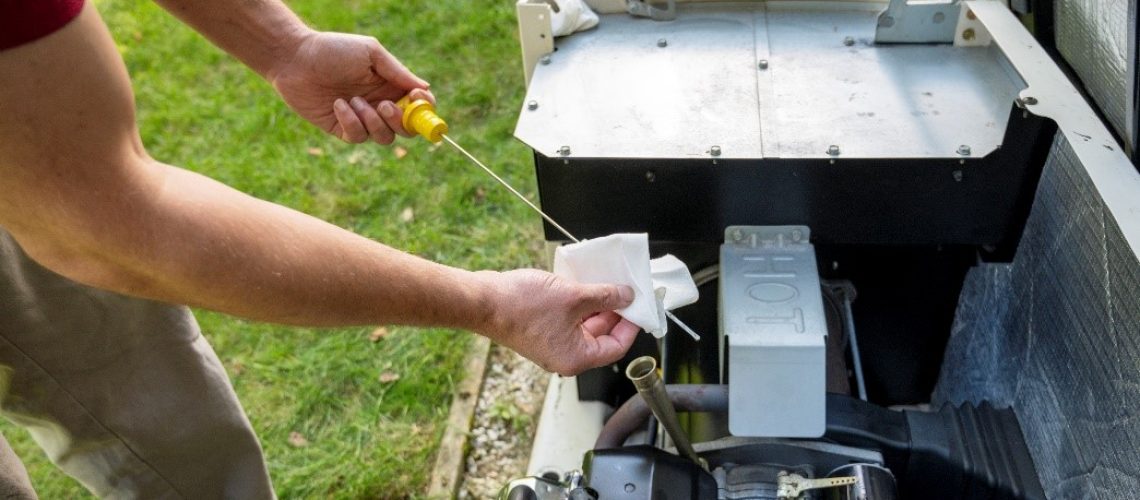
Check the generator for any visible damage or loose parts. Look for cracks, rust, or leaks. Ensure the exhaust system is clear and intact.
Keep fluid levels in the right range. Check oil, coolant, and fuel tanks. Low fluids can cause the generator to stop working.
| Battery Condition | What to Check |
|---|---|
| Charge Level | Battery should be fully charged to start the generator easily. |
| Terminal Cleanliness | Remove any dirt or corrosion from battery terminals. |
| Secure Connections | Make sure cables are tightly connected and not loose. |
Regular Maintenance Tasks
Change the oil and filterregularly to keep the engine running well. Use the right type of oil recommended by the manufacturer. Old oil can cause engine damage. Replace the oil filter at the same time to remove dirt and particles.
Check the air filteroften. A clean air filter helps the engine breathe better. Replace it if it looks dirty or clogged. This keeps the generator working efficientlyand saves fuel.
Take care of the spark plugto ensure easy starts. Clean the spark plug and check the gap. Replace it if it is worn or damaged. A good spark plug helps the engine run smoothly.

Credit: www.achrnews.com
Testing And Exercising
Scheduled test runskeep the standby generator ready. Running it for about 30 minutes every month helps the engine stay lubricated and prevents fuel problems.
Load testingmeans using the generator to power real devices. This checks if it can handle the needed power during an outage. It also helps spot any issues with the engine or wiring.
Automatic transfer switch (ATS) checksensure the generator starts and stops correctly. Testing the ATS regularly avoids power transfer failures. Make sure the switch moves smoothly and connects the generator to the home or building power system.
| Task | Purpose | Frequency |
|---|---|---|
| Scheduled Test Runs | Keep engine lubricated and fuel fresh | Monthly |
| Load Testing | Check generator power output under real use | Quarterly or as recommended |
| ATS Checks | Verify smooth power transfer and switch function | Monthly or quarterly |
Troubleshooting Common Issues
Starting problemsoften arise from a dead battery or low fuel level. Check the battery charge and fuel supply first. Dirty spark plugs can also stop the generator from starting. Clean or replace them if needed. Cold weather may cause fuel to thicken, so use a fuel stabilizer to keep it flowing.
Unusual noisesmight signal loose parts or worn components. Tighten any loose bolts or screws. Strange sounds could also mean the engine oil is low or dirty. Change the oil regularly to keep the generator running smoothly. Listen carefully; knocking or rattling needs quick attention.
Power output fluctuationscan happen due to loose wiring or a faulty voltage regulator. Inspect all connections and tighten them if loose. Overloading the generator causes voltage drops; balance the load properly. Regularly test the output with a multimeter to catch problems early.

Credit: expertelectric.ca
Safety And Storage Tips
Proper ventilationkeeps the generator cool and prevents dangerous gas build-up. Place the generator outside or in a well-ventilated area. Never run it inside a closed space like a garage or basement. Carbon monoxide is a silent threat. Always check that exhaust vents are clear and unblocked before starting.
Fuel storage guidelineshelp avoid spills and fire risks. Store fuel in approved, sealed containers only. Keep containers in a cool, dry place away from flames. Use fresh fuel and avoid old or stale gasoline. Label containers clearly and keep them out of children’s reach.
- Keep extra fuel for emergencies but not too much.
- Rotate stored fuel every six months to keep it fresh.
- Follow local laws about fuel storage limits.
Emergency preparednessmeans knowing how and when to use the generator safely. Keep the user manual nearby. Test the generator monthly for smooth operation. Have a fire extinguisher close by. Teach family members about generator safety and emergency shut-off procedures.
When To Call A Professional
Complex repairs often need a professional’s skills. These fixes involve the generator’s engine, fuel system, or electrical parts. Attempting these repairs without knowledge can cause more harm.
Annual inspections help keep the generator in good shape. Experts check all parts, change fluids, and test the system. This can stop problems before they start.
Warranty rules might require professional service. Doing repairs yourself could void the warranty. Always check the warranty details before fixing anything.
Credit: generatorsupercenterofsavannah.com
Frequently Asked Questions
How Often Should I Test My Standby Generator?
You should test your standby generator monthly. Regular tests ensure it works during power outages. Monthly testing helps identify issues early and keeps the battery charged.
What Maintenance Tasks Keep A Generator Reliable?
Regular oil changes, air filter cleaning, and battery checks are essential. Inspect fuel lines and replace spark plugs yearly. These tasks prevent breakdowns and extend the generator’s lifespan.
Can I Perform Standby Generator Maintenance Myself?
Basic maintenance like oil checks and battery inspection can be done yourself. For complex repairs, hire a professional. Proper care ensures safety and optimal generator performance.
Why Is Fuel Quality Important For Standby Generators?
Poor fuel can clog the engine and reduce efficiency. Use fresh, clean fuel to prevent damage. Regularly check and replace old fuel to maintain generator reliability.
Conclusion
Maintaining a standby generator is crucial for reliable performance. Regular checks extend its lifespan. Clean the air filters often. Inspect the oil and coolant levels monthly. Listen for strange noises during operation. Tighten loose connections to prevent malfunctions. Store fuel properly to avoid contamination.
Create a maintenance schedule and stick to it. This keeps your generator ready for emergencies. Simple steps ensure it runs smoothly. A well-maintained generator provides peace of mind. You can rely on it during power outages. Stay prepared and keep your home powered.
Your generator deserves care and attention.