Imagine this: You’re all set for a road trip or a weekend of outdoor adventure, and suddenly, your fuel can fails you. It’s a scenario you definitely want to avoid.
Whether you’re a seasoned traveler, a weekend warrior, or just someone who wants to be prepared, knowing how to maintain your fuel can is crucial. Not only does it save you from potential hassles on the road, but it also ensures safety and efficiency when you need it the most.
In this guide, you’ll discover simple, practical tips to keep your fuel can in top shape, ensuring it’s always ready when you are. Keep reading to learn how a little care today can save you from a big headache tomorrow.

Credit: blog.amsoil.com
Choosing The Right Fuel Can
Material optionsfor fuel cans include plastic and metal. Plastic cans are lightweight and rust-resistant. Metal cans are more durable and better for long-term storage. Choose a material based on your needs and usage.
Size considerationsdepend on how much fuel you need to store. Smaller cans are easier to carry and store. Larger cans hold more fuel but can be heavy and hard to handle. Pick a size that matches your fuel use and transport needs.
| Safety Certification | What It Means | Why It Matters |
|---|---|---|
| UL Listed | Meets strict safety standards | Reduces risk of leaks and fire |
| DOT Approved | Approved for road transport | Ensures safe travel with fuel |
| EPA Compliant | Meets environmental rules | Prevents harmful fumes release |
Proper Storage Practices
Keep fuel cans in a cool, dry place. Avoid areas with direct sunlight or heat sources. This helps prevent fuel from breaking downor evaporating.
Maintain a stable temperatureto stop pressure build-up inside the can. Avoid places that get very hot or cold. Ideal temperature is between 50°F and 77°F (10°C to 25°C).
- Use clean, sealed containersto avoid dirt and water mixing with fuel.
- Check for rust or damageon cans regularly.
- Keep fuel cans off the groundto prevent moisture contamination.
Cleaning And Inspection
Cleaning fuel cans regularly helps keep fuel fresh and safe. Use warm water and mild soap to wash the outside. Rinse well and let it dry completely before refilling. Avoid strong chemicals that can damage the can. For stubborn dirt, a soft brush works well.
Check the fuel can for cracks, dents, or leaks. Look at the cap to ensure it seals tightly. Any damage can cause fuel spills or contamination. Small cracks may grow over time, so watch closely.
| Signs of Damage | When to Replace |
|---|---|
| Cracks or holes | Immediately after noticing damage |
| Rust or corrosion | If rust cannot be cleaned off |
| Damaged or loose cap | If it no longer seals properly |
| Strong fuel smell outside the can | When smell persists after cleaning |

Credit: www.alfainsurance.com
Safe Fuel Handling
Always use a funnel or spout for clean and safe filling. Avoid overfilling to prevent spills. Fill fuel cans on a flat surface outdoors to reduce fire risks. Keep cans away from open flames and sparks.
Carry fuel cans upright and secure them in the vehicle. Use a stable container rack or place them on the floor. Avoid placing cans in passenger areas. Keep the lid tightly closed during transport to prevent leaks.
- Check for cracks or damage before use.
- Wipe any spilled fuel immediately.
- Store cans in a cool, ventilated area.
- Use approved containers only.
Maintenance Tips For Longevity
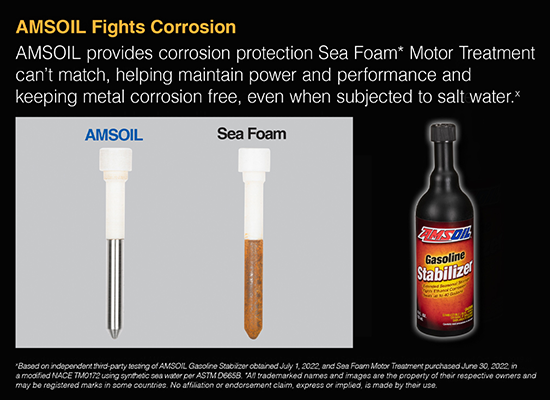
Rustcan damage fuel cans quickly. Keep cans dry and clean. Store them in a cool, dry place. Use a rust-resistant paint or coating to protect the metal. Wipe off any moisture after use to prevent rust spots.
Proper sealingstops fuel leaks and keeps dirt out. Always check the cap for cracks or wear. Replace damaged seals immediately. Venting allows air to flow and stops pressure build-up inside. Use cans with built-in vents or open caps slightly during fuel use.
- Check for cracks or holes regularly.
- Clean the fuel can inside and out every few months.
- Look for signs of rust or corrosion.
- Test the cap’s seal to prevent leaks.
- Store cans away from sunlight and heat.
Legal And Safety Regulations
Fuel cans have strict storage limitsto prevent accidents. Most places allow only a small amount of fuel to be stored at home. Keeping fuel cans away from heat and flames is very important. Always store them in a cool, well-ventilatedarea.
Labeling requirementshelp identify the fuel type inside the can. Use clear and easy-to-read labels. Mark cans with warnings like “flammable” or “gasoline.” This helps avoid dangerous mistakes.
Disposal guidelinesensure safety and environmental care. Never throw fuel cans in regular trash. Take them to special hazardous wastedisposal centers. Follow local rules for safe disposal to protect people and nature.
Credit: blog.amsoil.com
Frequently Asked Questions
How Often Should I Clean My Fuel Can?
Clean your fuel can every 3 to 6 months to prevent residue buildup. Use warm water and mild detergent. Rinse thoroughly and dry completely before refilling to maintain fuel quality and avoid contamination.
What Is The Best Way To Store A Fuel Can?
Store fuel cans in a cool, dry, and well-ventilated area. Keep them away from direct sunlight and heat sources. Always seal the can tightly to prevent evaporation and contamination.
How Do I Prevent Rust In My Fuel Can?
To prevent rust, keep your fuel can dry and clean inside and out. Use rust-resistant cans if possible. Regularly inspect for damage and store it in a moisture-free environment.
Can I Use Any Container As A Fuel Can?
No, only use containers designed for fuel storage. Approved fuel cans are made of materials that resist corrosion and prevent leaks. Using improper containers can be dangerous and illegal.
Conclusion
Maintaining your fuel can keeps it safe and lasts longer. Clean it often and store it in a cool, dry place. Always check for leaks or damage before use. Use proper fuel and close the cap tightly. Following these steps helps avoid spills and keeps fuel fresh.
A well-kept fuel can makes your work easier and safer. Simple care saves money and prevents problems later. Keep these tips in mind for safe fuel storage every time.