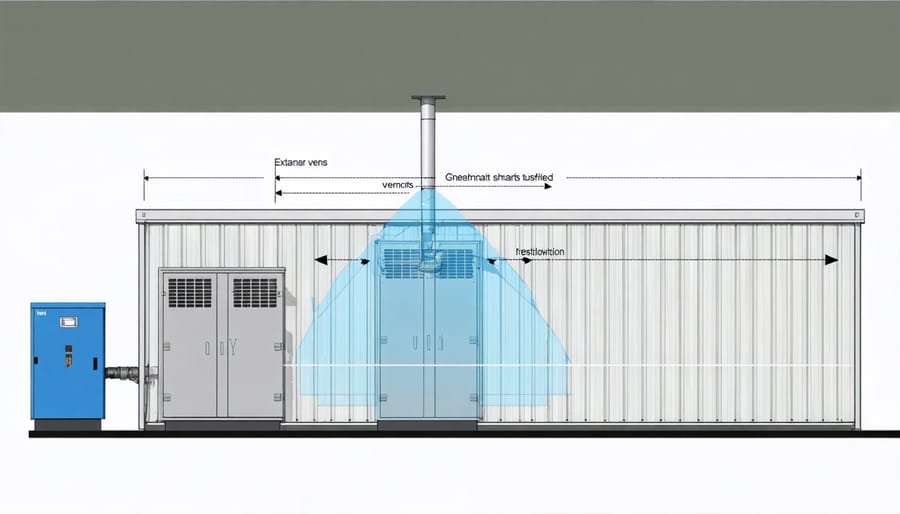
Are you looking to keep your generator running smoothly and efficiently? The air intake system is a crucial part of your generator’s performance.
When it’s not maintained properly, your generator can lose efficiency, consume more fuel, or even break down unexpectedly. This can lead to costly repairs or, even worse, leave you in the dark when you need power the most. Imagine avoiding all that hassle by simply taking a few easy steps to maintain your generator’s air intake system.
In this guide, you’ll discover straightforward tips and techniques that will help you ensure your generator is always ready to power up. Ready to learn how to keep your generator in peak condition? Read on to find out more!
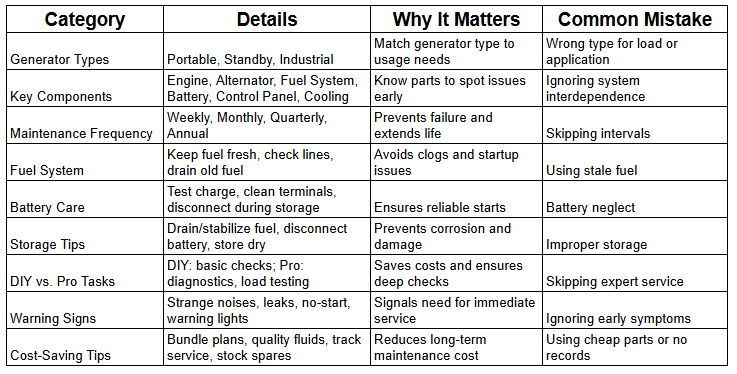
Credit: tikweld.com
Importance Of Clean Air Intake
Clean air intakeis very important for a generator’s good work. It helps the engine breathe easily and work well. Dirty air can slow the engine down and make it work hard. This lowers the generator’s power and speed.
Fuel use gets better with clean air. The engine burns fuel well when air is pure. This saves money by using less fuel. Dirty air makes the engine burn fuel badly, wasting money and fuel.
Clean air stops engine damage. Dust and dirt can hurt engine parts. This causes big problems and costly repairs. A clean air filter protects the engine and helps it last longer.
Credit: tikweld.com
Common Air Intake Issues
Clogged air filtersreduce airflow. This makes the generator work harder. Dirt and dust block the filter pores. This lowers engine power and fuel efficiency. Regular filter checks help keep the air clean.
Debris and dust accumulationaround the intake can cause damage. Leaves, dirt, and small particles may enter the system. This can cause engine parts to wear out fast. Cleaning the intake area often stops this problem.
Moisture and corrosionharm metal parts inside the intake. Water can get trapped, causing rust. Rust weakens the structure and blocks airflow. Keeping the intake dry and covered prevents corrosion.
Routine Inspection Practices
Check the air intake area for dirt, debris, or damage. Clean any visible dust or leaves. Look for cracks or broken parts that might let bad air in.
Examine the filter closely. Is it dirty or clogged? Replace filters that look worn or dirty. Clean reusable filters with water or air as needed.
| Test | What to Do | Why It Matters |
|---|---|---|
| Airflow | Use a flow meter or check by hand for strong air movement | Ensures the generator gets enough air to work well |
| Pressure | Measure pressure before and after the filter | Detects blockages that reduce airflow |
Cleaning And Replacing Filters
Cleaning generator air filters helps keep your machine working well.
Filters need cleaningafter heavy use or dusty conditions. Check them every few months to avoid blockages.
Use a soft brush or low-pressure air to clean filters. Avoid strong water jets or harsh chemicals, which can damage the filter.
Choose replacement filters that match your generator model. Look for high-quality materialsto ensure good airflow and protection.
Keep extra filters on hand. This helps you replace them quickly when needed.
Protecting The Air Intake System
Installing pre-filtershelps stop dust and dirt from entering the air intake. These filters catch large particles first, which keeps the main filter cleaner and lasts longer. Pre-filters are easy to clean or replace, saving time and money on maintenance.
Sealing intake areasprevents unfiltered air from sneaking in. Use gaskets and weather stripping to close gaps around the intake system. This keeps the air clean and protects the generator’s engine from damage caused by dust or debris.
- Choose quality air intake componentsto ensure durability.
- Use parts made from strong materialsthat resist wear.
- Check filters and seals regularly for signs of damage.
- Replace parts as needed to keep the system working well.
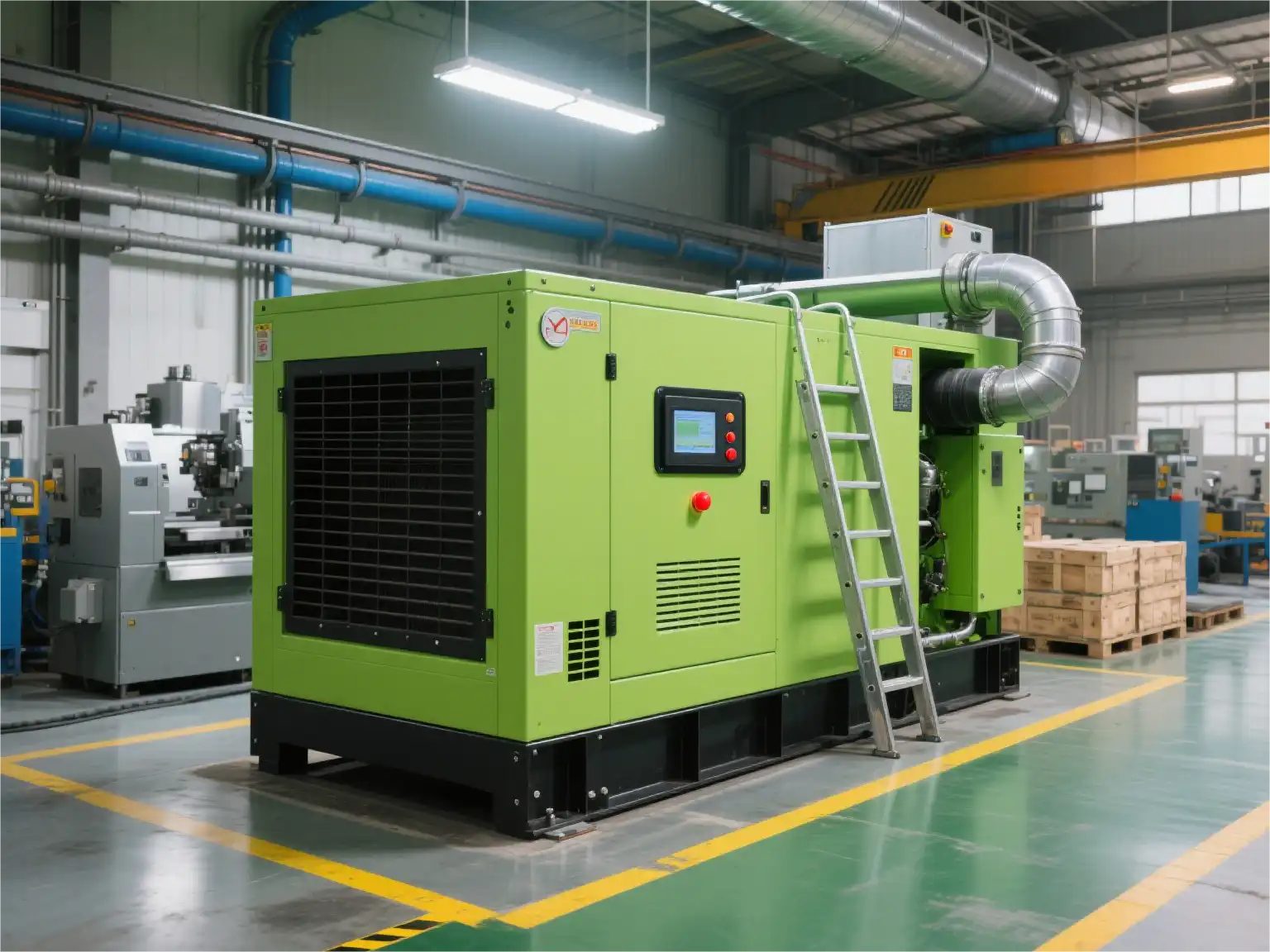
Credit: www.whjlmech.com
Seasonal Maintenance Tips
Dusty environmentscan clog the generator air intake quickly. Clean or replace filters more often. Use a pre-filter to catch large dust particles before they reach the main filter. Keep the intake area clear of debris and dirt to ensure smooth airflow.
High humidity and raincause moisture buildup in the air intake. Use covers or shields to protect the intake from water. Ensure proper drainage around the generator to avoid water pooling. Dry filters completely before reinstalling to prevent mold growth.
Winter preparationrequires extra care to prevent freezing. Check seals to stop cold air and snow from entering. Use heaters or insulation around the intake to keep it warm. Regularly inspect the intake for ice or snow buildup to keep airflow steady.
Signs Of Air Intake Problems
Reduced generator poweris a clear sign of air intake issues. The engine may struggle to work at full capacity. This happens because less air reaches the engine, causing poor combustion.
Increased fuel consumptioncan also indicate air intake problems. The engine uses more fuel to make up for the lack of air. This leads to higher running costs and more pollution.
Unusual engine noisessuch as coughing, sputtering, or rattling might be heard. These sounds occur when air flow is blocked or dirty air enters the system. It can mean clogged filters or leaks.
Professional Maintenance Services
Expert helpis needed when the generator shows signs of poor air flow. Strange noises, low power, or frequent stops are key signals. Professionals have the right tools and skills to clean and fix air intake systems safely. They ensure filters and ducts are clear, preventing dirt build-up that can harm the engine. Regular check-ups by a technician catch small problems early. This avoids costly repairs later.
Regular servicingkeeps the air intake clean and efficient. Benefits include:
- Longer generator lifeby reducing wear and tear.
- Better fuel efficiencyas clean air helps the engine run well.
- Less downtimedue to fewer breakdowns.
- Improved safetyby preventing overheating.
Choosing a reliable technician means looking for someone with experience and good reviews. Ask about their training and tools. A skilled technician uses proper parts and follows safety rules. Trustworthy service providers offer clear estimates and explain what they will do. This helps you feel confident in their work.
Frequently Asked Questions
How Often Should I Clean My Generator Air Intake?
Clean the generator air intake every 3 to 6 months. Frequent cleaning prevents dust buildup, ensuring optimal airflow and engine performance.
What Tools Are Needed For Air Intake Maintenance?
You need a soft brush, compressed air, and a clean cloth. These tools help safely remove dirt without damaging the intake components.
Can Dirty Air Intake Affect Generator Efficiency?
Yes, a clogged air intake reduces airflow. This causes the engine to work harder, lowering fuel efficiency and increasing wear and tear.
How Do I Inspect The Air Intake Filter?
Check the filter for dirt, damage, or clogging. Replace it if it appears worn or heavily soiled to maintain proper airflow.
Conclusion
Keeping your generator’s air intake clean helps it run smoothly. Regular checks stop dust and dirt from causing damage. Clean filters improve air flow and save fuel. Simple steps protect your generator’s engine life. Small efforts now avoid costly repairs later.
A well-maintained air intake means better power when you need it most. Stay consistent, and your generator will serve you longer and more reliably. Easy to do, and worth the time.