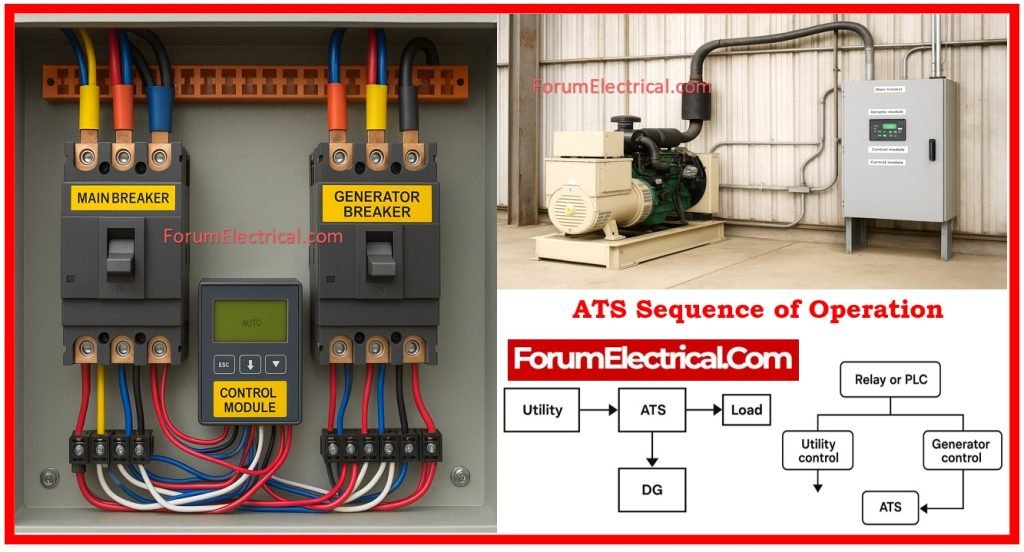
Are you tired of unexpected power interruptions? Your generator’s Automatic Transfer Switch (ATS) battery is crucial for ensuring a seamless power transition.
If you’re not paying attention to its maintenance, you could be left in the dark when you need electricity the most. Imagine the peace of mind knowing your generator is ready to kick in at any moment. By taking a few simple steps to maintain your ATS battery, you can keep your home or business running smoothly, no matter what.
Stick around to discover how easy it is to keep your generator reliable and ready for action.
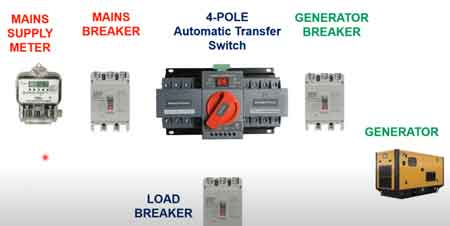
Credit: electricityforum.com
Generator Ats Battery Basics
A generator ATS battery is key for backup power. It helps the generator start when main power stops.
There are different types of ATS batteriesused:
- Lead-acid batteries:Common, affordable, and reliable for many ATS systems.
- Gel batteries:Sealed and require less maintenance, good for harsh environments.
- Absorbent Glass Mat (AGM) batteries:Spill-proof and long-lasting, often used in modern ATS units.
Battery componentsinclude the positive and negative plates, electrolyte, and separator. The plates store and release energy. Electrolyte helps ions move between plates. The separator keeps plates apart to stop short circuits.
These parts work together to supply power needed to switch the generator on quickly.
Signs Of Battery Wear
Common symptomsof a worn generator ATS battery include slow engine start and dim indicator lights. The battery may also show corrosion on terminals or a swollen case. A weak battery often causes frequent generator failure to start. Strange noises during start-up can be a sign too. Regular testing can reveal if the battery holds charge well or not.
When to replacethe battery depends on its age and performance. Most ATS batteries last about 3 to 5 years. If the battery fails a load test or shows physical damage, replacement is needed. Frequent starting problems or low voltage readings signal the need for a new battery. Timely replacement ensures the generator works reliably during power outages.
Routine Battery Inspection
Check the battery for any cracks, corrosion, or leaks. Dirt or corrosion on terminals can stop the battery from working well. Clean the terminals with a brush and baking soda mix.
Look for swellingor damageon the battery case. A damaged battery should be replaced to avoid failure.
- Use a voltmeter to check the battery voltage.
- A fully charged battery should read about 12.6 voltsor more.
- Voltage below 12.4 voltsmeans the battery may need charging or replacement.
- Test the battery under load for better accuracy.
Cleaning And Maintenance Tips
Clean the battery terminalsregularly to keep a good connection. Use a soft brushor cloth to remove dirt and dust. Avoid using metal tools that can cause sparks. Disconnect the battery cables before cleaning.
Prevent corrosionby applying a thin layer of petroleum jellyor battery terminal protector. This stops moisture from causing rust. Check the terminals often, especially in humid areas.
- Wear gloves to protect your hands.
- Use a mixture of baking soda and water to clean corrosion.
- Rinse with clean water and dry thoroughly.
- Reconnect cables tightly after cleaning.
Proper Charging Practices
Regular charging frequencykeeps the ATS battery healthy and ready. Charge the battery at least once a month if it’s not used often. This prevents the battery from losing power and getting damaged.
Avoiding overchargingis just as important as charging often. Overcharging can harm the battery and shorten its life. Use a charger with an automatic shut-off feature to stop charging when the battery is full.
- Check battery voltage regularly to know when to charge.
- Use a charger that fits the battery type and size.
- Disconnect the charger once the battery is fully charged.
- Keep charging areas clean and dry to avoid damage.
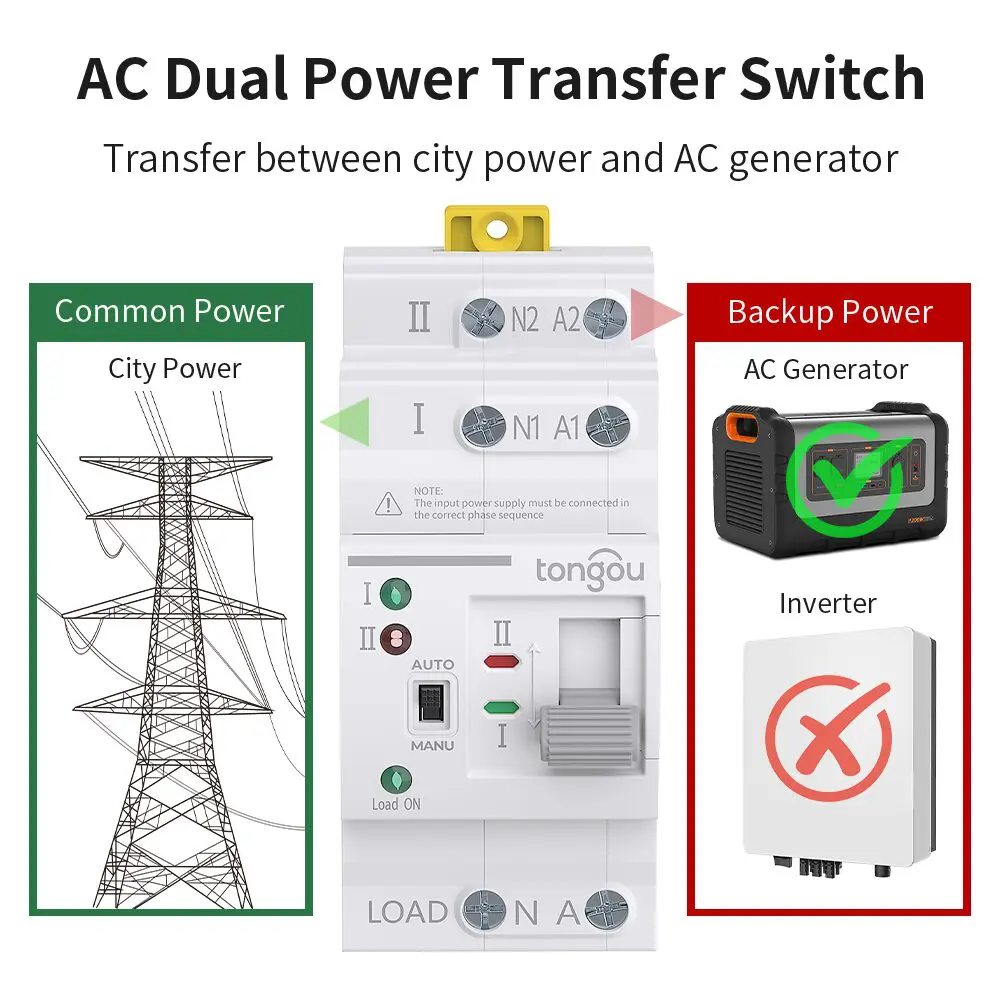
Credit: www.tongou.com
Storage And Environmental Care
Ideal storage conditionshelp keep the ATS battery in good shape. Store the battery in a cool, dry placeaway from direct sunlight. Avoid areas with high humidityor moisture, which can cause corrosion. Keep the battery off the floor and on a wooden or plastic shelf to prevent damage. Regularly check the battery for any signs of leaks or swelling. Make sure the terminals stay clean and free of dust or dirt.
Temperature effectscan harm the battery life. Extreme cold can cause the battery to lose power quickly. High heat can cause the battery fluid to evaporate, damaging it. Try to keep the battery where the temperature stays between 20°F (-6°C) and 80°F (27°C). Avoid places near heaters, ovens, or direct sun. Proper temperature control helps the battery last longer and work better.
Troubleshooting Common Issues
Battery not holding chargecan happen due to several reasons. Check for loose or corroded terminals. Clean the battery terminals carefully using a mixture of baking soda and water. Also, test the battery voltage with a multimeter. A fully charged battery should read around 12.6 volts. If the voltage is low, the battery may need replacement. Avoid leaving the generator unused for long periods, as this can drain the battery.
Slow engine startoften relates to battery health. Weak battery power causes slow cranking. Inspect the battery for signs of damage or old age. Cold weather also reduces battery power, so keep the battery warm if possible. Ensure the starter motor and wiringare in good condition. Sometimes, slow starts result from poor fuel quality or clogged filters, so check those as well.
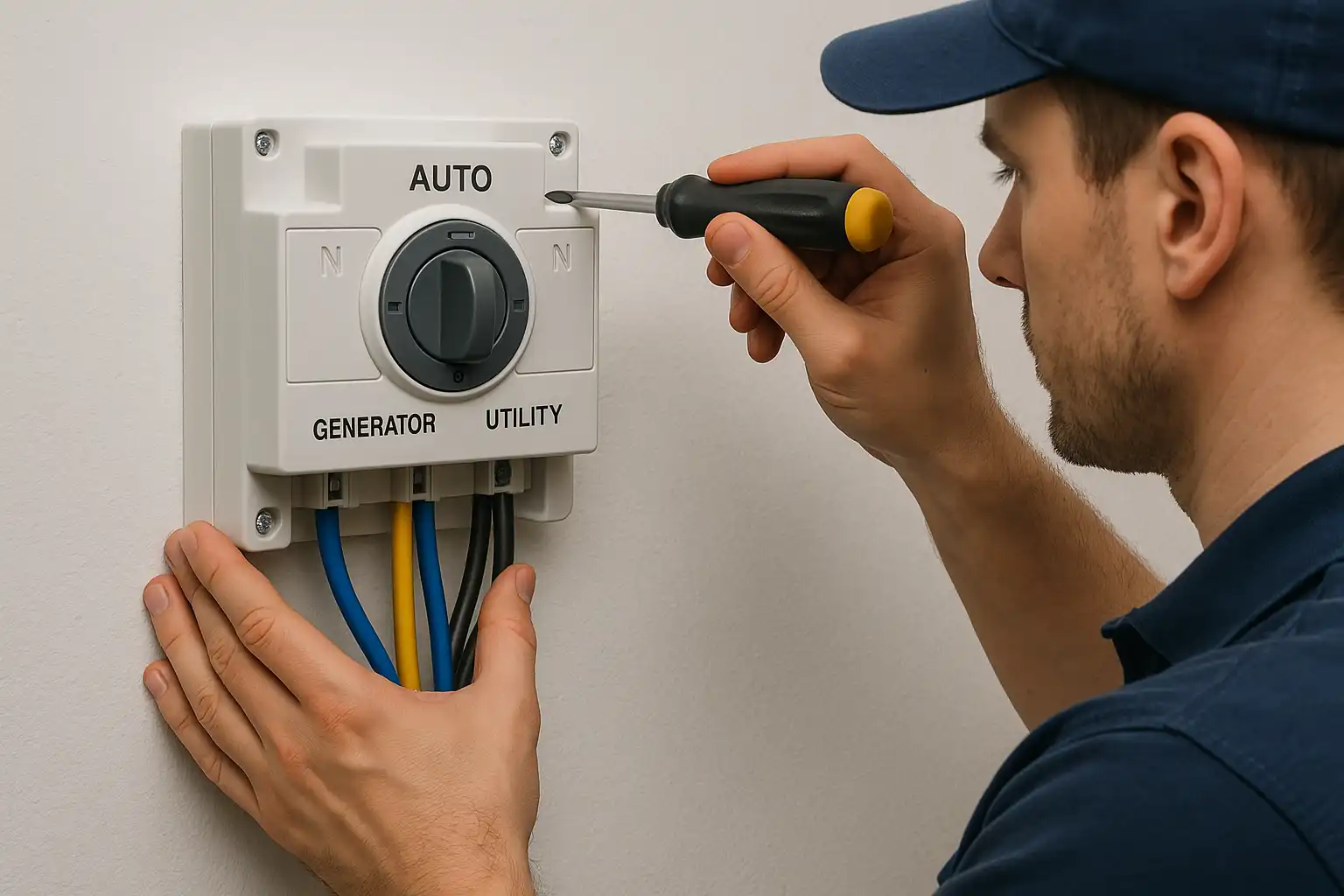
Credit: www.onesto-ep.com
Frequently Asked Questions
How Often Should I Check My Generator Ats Battery?
Check your generator ATS battery every 3 to 6 months. Regular checks prevent unexpected failures and ensure reliable power supply during outages.
What Is The Best Way To Clean Ats Battery Terminals?
Use a mixture of baking soda and water to clean battery terminals. This removes corrosion and ensures good electrical contact for optimal battery performance.
How Do I Prevent My Ats Battery From Discharging?
Keep the battery fully charged by running the generator regularly. Disconnect loads when idle and store the battery in a cool, dry place to minimize discharge.
When Should I Replace My Ats Battery?
Replace your ATS battery every 3 to 5 years or if it shows signs of wear. A weak battery may cause generator start-up failures.
Conclusion
Maintaining your generator ATS battery ensures reliable power when needed. Check battery terminals often for dirt and tight connections. Keep the battery clean and dry to avoid damage. Test the battery regularly to spot issues early. Replace old batteries to prevent unexpected failures.
Simple care extends battery life and keeps your generator ready. Small steps make a big difference in performance and safety. Keep your generator running smoothly with regular battery care.