Are you looking to ensure that your generator ATS (Automatic Transfer Switch) system runs smoothly every time you need it? Imagine the peace of mind you’ll have knowing your backup power solution is always ready to kick in without a hitch.
In this guide, you’ll discover straightforward maintenance tips that can make a world of difference. By learning how to keep your generator ATS system in top shape, you’ll not only extend its lifespan but also ensure your home or business remains powered during unexpected outages.
Dive in, and you’ll be equipped with the knowledge to keep your system reliable and efficient. Don’t miss the chance to empower yourself with these essential maintenance strategies.
Generator Ats Basics
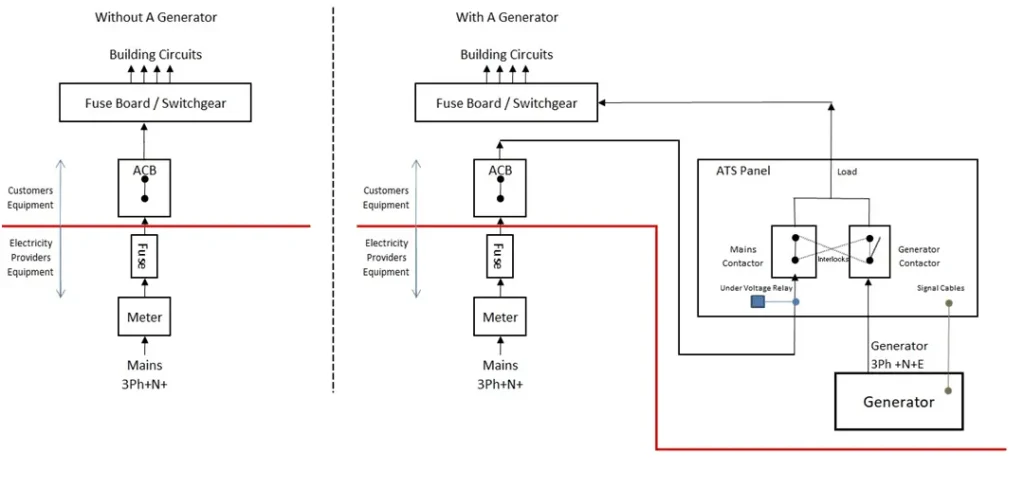
Automatic Transfer Switch (ATS)is a device that switches power sources. It changes from the main power to a generator during outages. This keeps electricity flowing without manual work.
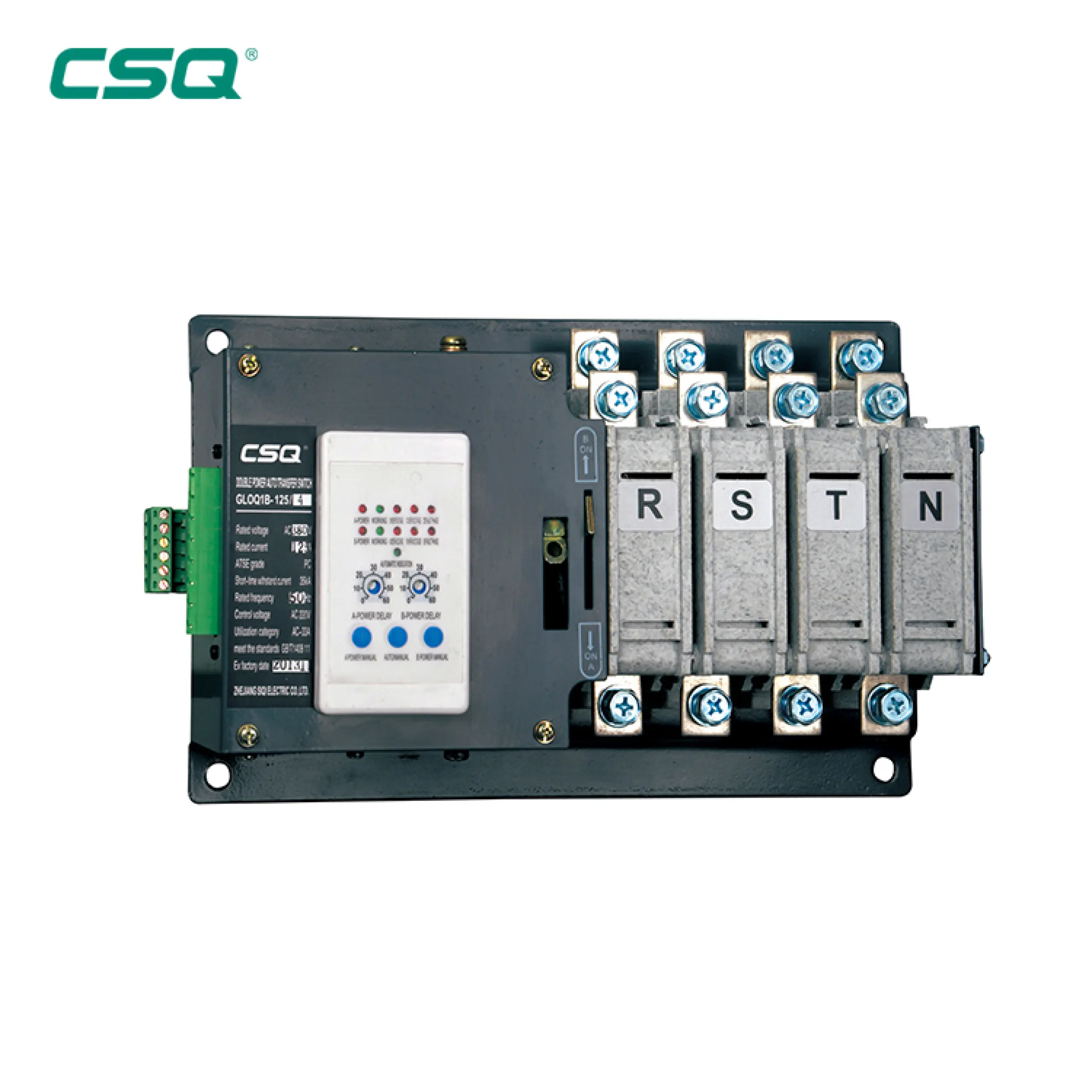
Key componentsinclude the transfer switch, control panel, and sensors. The transfer switch moves the load between power sources. The control panel manages the switch’s actions. Sensors detect power loss or return.
| Type of ATS | Description |
|---|---|
| Open Transition | Switches power with a brief break in supply. |
| Closed Transition | Switches power without any break in supply. |
| Delayed Transition | Waits before switching to ensure stable power. |
The ATS monitors powerfrom the main source. When it detects a failure, it signals the generator to start. Once the generator runs, the ATS shifts the load to it. When main power returns, the ATS switches back and stops the generator.

Credit: forumelectrical.com
Routine Inspection Tips
Visual checks are essential for ATS systems. Look for any signs of damageor wearon the generator and ATS unit. Ensure all mounting boltsare tight. Check for oil leaksor corrosion.
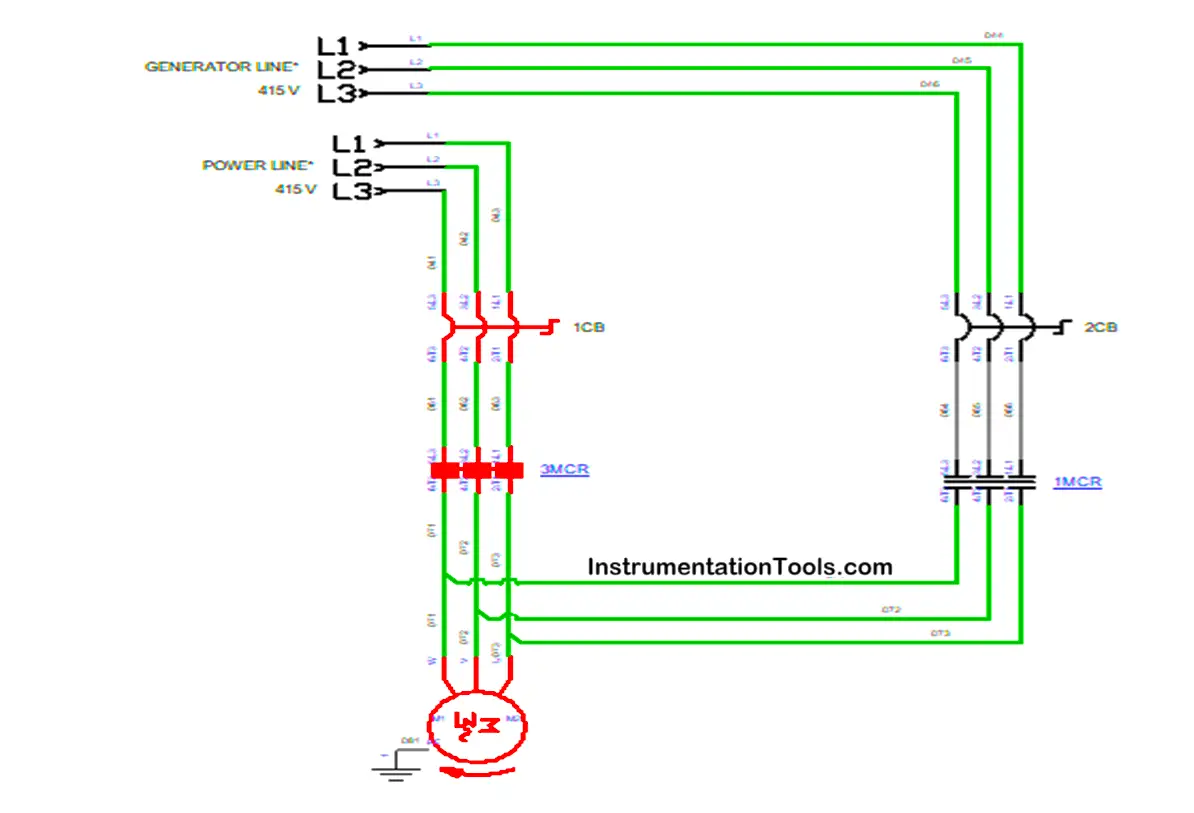
Electrical connections must be secureand clean. Loose wires can cause failure. Inspect cables for frayingor burn marks. Tighten all terminal screws. Use a multimeterto test for proper voltage.
The control panel should be free of dirtand moisture. Check all indicatorsand metersfor correct readings. Test the switchesto confirm they work smoothly. Reset any alarmsor fault codesas needed.
Cleaning And Lubrication
Cleaning the ATS system keeps it working well. Use a soft cloth to wipe dust and dirt gently. Avoid water or harsh chemicals to prevent damage. Check all contacts and switches for dirt. Use a brush or compressed air to clean hard-to-reach parts.
Lubrication helps ATS parts move smoothly. Focus on hinges, moving contacts, and rotating parts. Use light machine oil or grease as recommended by the manufacturer. Avoid over-lubricating to prevent dust buildup.
| Component | Cleaning Frequency | Lubrication Frequency |
|---|---|---|
| Contacts and Switches | Monthly | Every 3 Months |
| Hinges and Moving Parts | Every 2 Months | Monthly |
| Exterior Surfaces | Weekly | Not Required |
Credit: instrumentationtools.com
Testing Ats Functionality
Manual transfer testscheck if the ATS switches power correctly. Turn off the main power source. Watch the ATS move the load to the generator. This test ensures the system works as planned.
Automatic transfer testslet the ATS switch power by itself. Simulate a power failure to see if the ATS starts the generator. It should move the load without delay. This test shows if the system reacts fast enough.
Load testingmakes sure the generator and ATS handle real power needs. Run the generator with actual or simulated load. Check for steady power delivery and no glitches. This test proves the system can support your equipment safely.
Troubleshooting Common Issues
Failure to transferhappens when the ATS does not switch power. This can be caused by a dead battery, blown fuse, or poor wiring. Check the battery voltage and replace fuses if needed. Tighten all wiring connections for a secure fit.
Delayed switchingmeans the ATS takes too long to change power sources. This delay can cause power loss. Inspect the timer settings and adjust them to the correct delay time. Also, clean any dust or dirt inside the ATS that might slow it down.
Control circuit faultsoccur if the control board or relays fail. Look for burnt components or loose wires on the circuit board. Replace any damaged parts. Test the relays to ensure they switch properly. Keep the control panel dry and free from dust.
Preventive Maintenance Schedule
Regular checks keep the generator ATS systemrunning smoothly. Daily tasks include:
- Check for any visible damageor loose wires.
- Ensure the control panelshows no errors.
- Test the transfer switchoperation briefly.
- Listen for unusual soundsduring operation.
Monthly tasks require more detailed checks:
- Clean the ATS contactsto prevent buildup.
- Verify the battery voltageis within range.
- Inspect circuit breakersfor proper function.
- Test the automatic transferunder load.
Annual tasks focus on deep maintenance:
- Replace worn partslike contacts and sensors.
- Calibrate the control systemfor accuracy.
- Check all wiring for corrosion or wear.
- Run a full-load testto ensure reliability.
Upgrading And Replacing Ats Components
Upgrading ATS componentsis needed when parts show signs of wear or fail frequently. Check for cracks, corrosion, or slow response times. If the ATS system no longer handles the load properly, it is time to upgrade. Also, outdated parts may not meet current safety standards.
Choosing replacement parts means picking items that fit your ATS model exactly. Use OEM partsif possible. They ensure compatibility and reliability. Avoid cheap copies as they can cause more problems.
Installation best practices include:
- Turn off all power before starting work.
- Follow the ATS manufacturer’s instructions carefully.
- Use the right tools to avoid damage.
- Check all connections for tightness and proper placement.
- Test the ATS system after installation to confirm it works correctly.
Safety Precautions
Electrical safetyis key when working with ATS systems. Always wear insulated glovesand use tools with insulated handles. Make sure power is turned offbefore touching any wires or parts. Check for damaged cablesor loose connections regularly to avoid shocks or short circuits.
Lockout/Tagout procedures protect workers from accidental machine startups. Use lockout devicesto keep switches in the off position. Attach tagout labelsto warn others not to turn the power back on. Only authorized personnel should remove locks and tags after maintenance is complete.
Emergency protocols must be clear and easy to follow. Know where the emergency stop buttonsare located. Keep a fire extinguishernearby and know how to use it. Have a plan to quickly disconnect power if a fault or fire happens.
Expert Tips For Longevity
Keep the ATS system in a dry, clean place to avoid damage. Dust and moisture can harm electrical parts. Ensure good ventilation to prevent overheating. Avoid placing the system near heavy machinery that causes vibrations.
Balance the load on the generator to avoid stress. Do not exceed the system’s capacity. Use load banks to test and maintain proper load. This helps the ATS system work smoothly and last longer.
| Task | Details |
|---|---|
| Log Maintenance | Record all inspections and repairs for future reference. |
| Track Runtime | Monitor the hours the generator and ATS run to plan service. |
| Schedule Checks | Set regular times for checking system parts and performance. |
Credit: www.csqelectric.com
Frequently Asked Questions
What Is A Generator Ats System?
A Generator ATS (Automatic Transfer Switch) system automatically transfers power between the main source and generator. It ensures continuous power supply during outages. This system protects equipment and maintains operational efficiency without manual intervention.
How Often Should I Maintain My Generator Ats System?
Regular maintenance is crucial, typically every 6 months. This includes checking connections, cleaning components, and testing functionality. Timely maintenance prevents failures and extends system lifespan.
What Are Common Signs Of Ats System Failure?
Common signs include delayed power transfer, unusual noises, or failure to start the generator. These indicate potential mechanical or electrical issues needing immediate inspection.
Can I Maintain The Ats System Myself?
Basic inspections can be done by owners, but detailed maintenance requires a professional. Skilled technicians ensure safety and proper system functioning.
Conclusion
Regular checks keep your generator ATS system working well. Clean parts and tight connections prevent issues. Test the system often to catch problems early. Replace worn components to avoid failures. Proper maintenance saves money and ensures power when needed. A well-kept ATS system supports your safety and comfort.
Simple steps can extend its life and improve performance. Stay consistent with care to enjoy reliable power backup.