
Imagine the frustration of needing your generator during a power outage, only to find its battery is dead. This is a scenario you can avoid with the right knowledge and a bit of effort.
If you’re planning to store your generator for an extended period, knowing how to maintain its battery is crucial. Not only does this ensure your generator is ready to go when you need it, but it also saves you from unexpected costs and stress.
In this guide, you’ll discover practical steps to keep your generator battery in top condition for long-term storage. Curious about how simple tweaks can extend your battery’s life? Keep reading to empower yourself with the know-how to avoid battery issues and ensure peace of mind.
Choosing The Right Battery
Generator batteries come in different types. The most common are lead-acidand lithium-ion. Lead-acid batteries are cheaper but need regular care. Lithium-ion batteries last longer and need less maintenance. Choose a battery that fits your generator’s size and power needs.
| Battery Type | Pros | Cons |
|---|---|---|
| Lead-Acid | Affordable, widely available | Heavy, requires maintenance |
| Lithium-Ion | Lightweight, long life | More expensive |
Important specs include voltage, capacity (Ah), and cold cranking amps (CCA). Voltage must match your generator. Capacity shows how long it lasts. CCA is key for starting power. Check the battery’s size to fit your generator’s compartment.

Credit: solarips.com
Preparing The Battery For Storage
Cleaning battery terminalshelps prevent corrosion and ensures good power flow. Use a mixture of baking soda and water to scrub the terminals. A wire brush works well to remove dirt and rust. After cleaning, dry the terminals completely to stop moisture buildup. Apply a thin layer of petroleum jelly to protect the metal from future corrosion.
Checking electrolyte levelsis key for wet-cell batteries. Use a screwdriver to open the cell caps carefully. The electrolyte should cover the battery plates fully. If the level is low, add distilled water slowly. Avoid overfilling to prevent spills. Regularly check this during storage to keep the battery healthy.
Charging Before Storage
Before storing the generator battery, it is vital to fully chargeit. A fully charged battery reduces the risk of sulfation, which can damage the battery over time. Charging should be done slowly and carefully to avoid overcharging.
A smart chargeris the best choice for this task. It automatically adjusts the charging rate and stops when the battery is full. This keeps the battery at a safe charge level without damage. Smart chargers also help maintain the battery’s health during long-term storage.
Storage Environment Tips
The ideal temperaturefor storing a generator battery is between 50°F and 77°F (10°C to 25°C). Extreme cold or heat can damage the battery and reduce its life. Keep humidity levels low, around 50%, to avoid corrosion and rust.
Place the battery in a cool, dry place. Avoid spots with direct sunlight, as sun rays can heat the battery and cause damage. Moisture should be kept away to prevent short circuitsand corrosion.
- Store in a shaded area or indoors.
- Use a waterproof cover if needed.
- Ensure good air circulation to avoid moisture buildup.
Periodic Maintenance During Storage
Check the battery voltageregularly to ensure it stays healthy. A fully charged battery shows about 12.6 volts or more. If the voltage falls below 12.4 volts, it needs charging soon. Regular checks prevent deep discharge, which can damage the battery.
Recharge the battery every 1 to 3 monthsduring storage. This keeps the battery alive and ready for use. Use a slow chargerfor best results. Quick charging may harm the battery’s lifespan.

Credit: tikweld.com
Handling Battery Terminals
Protecting battery terminals prevents corrosionand keeps connections strong. Apply a thin layer of petroleum jellyor a specialized terminal protectant. This helps stop moisture and dirt from causing damage.
Check that all connections are tightbut not over-tightened. Loose terminals can cause power lossor sparks. Use a wrench to gently tighten any loose nuts or bolts.
- Clean terminals with a wire brush before applying coating.
- Apply protective coating evenly on all metal parts.
- Make sure no wires are frayed or damaged.
- Tighten nuts just enough to hold wires firmly.
Signs Of Battery Deterioration
Swellingis a clear sign the battery is damaged. It means the battery case has expanded. This can cause leaks or even battery failure.
Leakagehappens when battery acid escapes from the case. It can damage the generator and is dangerous to touch. Always check for any wet or corroded spots.
Loss of charge capacitymeans the battery cannot hold power well. The generator may not start or run properly. This happens if the battery is old or poorly maintained.
- Battery does not hold charge for long
- Generator takes longer to start
- Battery voltage drops quickly
- Warning lights or error messages on generator
Safety Precautions
Old batteries contain harmful chemicals. Dispose of them at special recycling centers. Never throw batteries in the trash. This helps protect the environment and your health.
Handle batteries with care to avoid leaks or spills. Wear gloves and eye protection if possible. Keep batteries away from flames and sparks. Store them in a cool, dry place away from children and pets.
- Check battery for cracks or damage before handling.
- Do not touch battery terminals with bare hands.
- Keep batteries upright to prevent acid leaks.
- Use proper tools when removing or installing batteries.
- Wash hands after handling batteries.
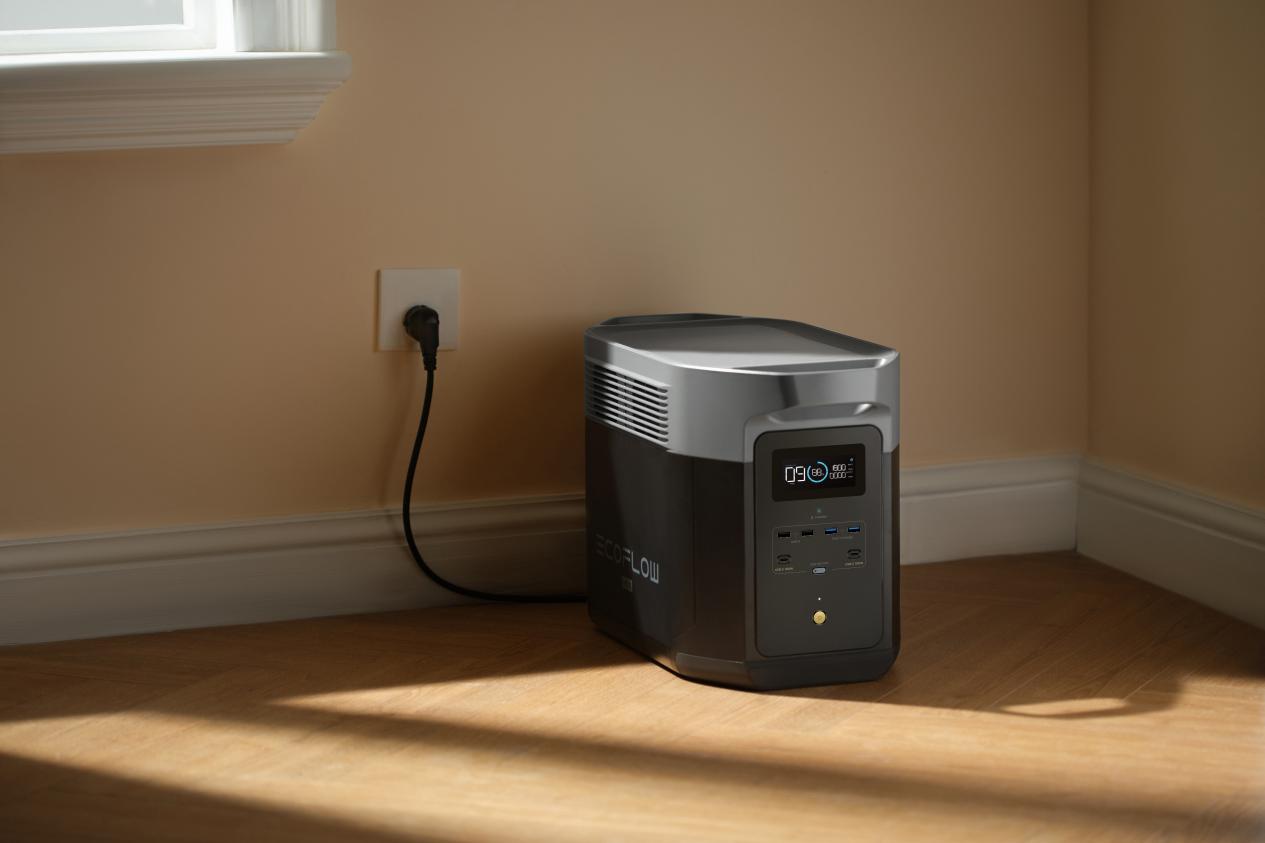
Credit: www.ecoflow.com
Frequently Asked Questions
How Often Should I Charge A Generator Battery In Storage?
You should charge the generator battery every 3 to 4 weeks. Regular charging prevents battery discharge and extends battery life during long-term storage.
What Is The Best Temperature For Storing A Generator Battery?
Store the battery in a cool, dry place between 50°F and 70°F. Avoid extreme temperatures to prevent battery damage and capacity loss.
Should I Disconnect The Battery When Storing A Generator?
Yes, disconnect the battery to prevent slow discharge. This helps maintain the battery’s charge and avoids potential damage during storage.
How Can I Clean A Generator Battery Before Storage?
Use a mixture of baking soda and water to clean terminals. Remove corrosion gently with a brush, then dry thoroughly to ensure good connections.
Conclusion
Proper care keeps your generator battery healthy for long storage. Regular checks prevent damage and extend battery life. Store batteries in a cool, dry place to avoid problems. Charge the battery occasionally to keep it ready. Clean terminals stop corrosion and ensure good power flow.
Following these steps saves money and hassle later. Easy habits make your generator reliable when needed most. Simple care means your battery lasts longer and works better. Keep your generator ready for any power outage or emergency.