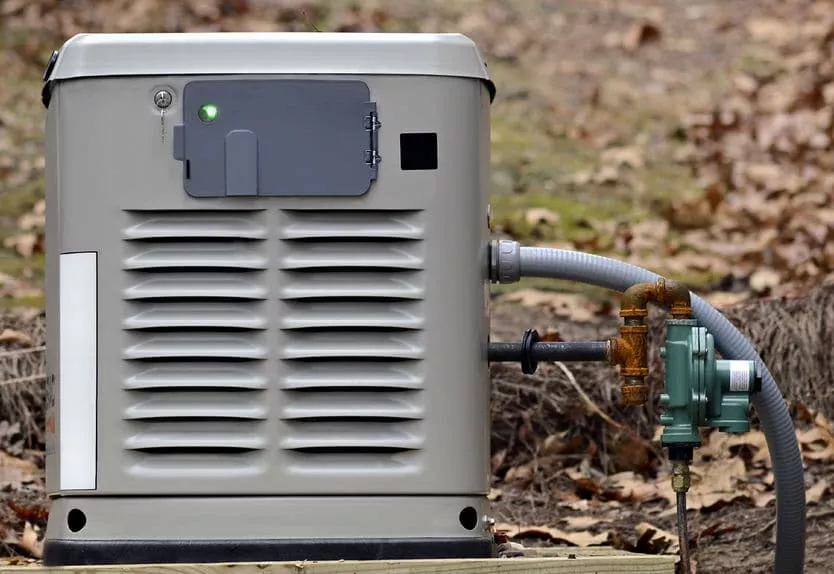
Your generator battery is the heartbeat of your backup power system. Without it, your generator won’t start when you need it most.
Imagine being stuck in the dark during a power outage because your battery failed. That’s frustrating—and completely avoidable. You’ll discover simple, effective ways to keep your generator battery in top shape. By following these tips, you’ll ensure your generator is always ready to deliver power whenever you need it.
Keep reading to protect your investment and avoid unexpected surprises.
Credit: expertelectric.ca
Choosing The Right Battery
Choosing the right generator batteryis key for smooth operation. There are several types of batteriesused in generators:
- Lead-acid batteriesare common and affordable.
- Gel batterieslast longer and need less maintenance.
- AGM batteriesoffer good performance and safety.
Battery capacitymust match your generator’s power needs. Too small, and the battery will drain fast. Too large, and it wastes money and space.
Check the battery’s sizeto fit the battery compartment. Always pick a battery that fits well to avoid damage.

Credit: www.premium-electric.ca
Proper Installation
The batterymust be placed on a stableand flat surface. This helps avoid vibrationdamage. Use a secure bracketor holder to keep the battery from moving. Keep the battery away from heat sourcesand moisture. These can harm the battery life.
Use correct wiringto avoid shorts and sparks. Always connect the positive terminalfirst, then the negative terminal. Use insulated cablesof the right size. Tighten all connections to prevent loose contacts. Check wires for any signs of wear or damage. Replace damaged wires immediately to ensure safety and performance.
Regular Inspection
Check the battery terminals often for corrosion. Corrosion looks like a white or blue powder on the metal parts. It can stop the battery from working well.
Use a brush or cloth to clean the terminals carefully. Wear gloves to protect your hands. Avoid touching battery acid.
Look closely at the battery terminals. Make sure they are tight and not loose. Loose terminals can cause power lossand damage the generator.
Keep the terminals dry and clean. Dirt and moisture can cause problems. Regular cleaning helps the battery last longer.
Cleaning And Maintenance
Remove any dirtor debrisaround the battery carefully. Use a soft brush or cloth to clean the battery surface. Dirt can cause poor connectionand reduce battery life.
Clean the battery terminals to keep a strong electric connection. Use a mix of baking soda and water to remove corrosion. Apply the paste gently with a brush. Rinse with clean water and dry well before reconnecting.
Check terminals for tightness. Loose terminals can cause starting problems. Tighten nuts or bolts but do not overdo it. Always wear gloves and eye protection while cleaning. Safety first.
Charging Best Practices
Use a chargerthat matches the battery’s voltage and type. A wrong charger can damagethe battery or reduce its life. Always check the charger’s specificationsbefore use.
Overcharging leads to battery damageand reduced efficiency. To avoid this, use a charger with an automatic shut-offor a timer. Monitor the charging process regularly.
- Choose chargers made for your battery type.
- Never leave the battery charging unattended for long periods.
- Use a charger with overcharge protection.
- Disconnect the charger once the battery is full.
Storage Tips
Store the generator battery in a cool, dry place. Avoid areas with high heat or moisture. These conditions can damage the batteryand reduce its life.
Keep the battery away from direct sunlight and rain. A temperature around 50°F to 70°Fis ideal. This helps to prevent corrosion and self-discharge.
Maintaining the battery’s charge is very important during storage. Check the battery charge every 30 days. Use a trickle chargeror a battery maintainerto keep it charged.
Do not let the battery become fully discharged. This can cause permanent damage. Charging regularly keeps the battery ready for use.
Monitoring Battery Health
Testing voltagehelps check if the battery holds charge well. Use a voltmeter to measure it. A fully charged 12V battery reads about 12.6 volts or higher. Lower readings mean the battery needs charging or replacement.
Specific gravityshows the battery acid strength. Use a hydrometer for this test. A healthy battery has a specific gravity between 1.265 and 1.299. Lower values suggest the battery is weak or damaged.
Look for signs of wearlike:
- Corroded terminals or cables
- Swollen or cracked battery case
- Slow engine start or no start at all
- Battery leaking acid or fluid
These signs mean the battery needs attention or replacement soon. Regular checks keep the generator battery reliable and ready.
Credit: www.diychatroom.com
Safety Precautions
Battery acid is dangerous. Always wear glovesand gogglesbefore handling it. Avoid any contact with skin or eyes. Use a well-ventilated areato prevent harmful fumes. Keep a source of clean waternearby to rinse off any spills immediately.
Store batteries upright to prevent acid leaks. Use a plastic container to carry batteries safely. Never smoke or use open flames near batteries. Dispose of acid spills with a mixture of baking soda and water to neutralize the acid.
| Disposal Item | Proper Method |
|---|---|
| Old Batteries | Take to a recycling centeror hazardous waste facility. |
| Battery Acid | Neutralize with baking sodaand dispose as hazardous waste. |
| Battery Containers | Rinse and recycle if allowed by local rules. |
Frequently Asked Questions
How Often Should I Check My Generator Battery?
Check your generator battery at least once a month. Regular checks help prevent unexpected failures and extend battery life. Look for corrosion, clean terminals, and ensure tight connections during each inspection.
What Is The Best Way To Clean Generator Battery Terminals?
Use a mixture of baking soda and water to clean terminals. Apply with a brush, scrub gently, then rinse with water. Dry thoroughly to avoid moisture, which can cause corrosion and reduce battery efficiency.
How Can I Prevent Generator Battery Corrosion?
Apply a thin layer of petroleum jelly or anti-corrosion spray on terminals. Keep the battery dry and clean. Regular maintenance and proper storage also help prevent corrosion, ensuring reliable generator performance.
When Should I Replace My Generator Battery?
Replace your generator battery every 3 to 5 years or if it shows signs of damage. Reduced starting power, swelling, or leaking indicate the need for replacement. Timely replacement avoids power interruptions.
Conclusion
Keeping your generator battery in good shape is important. Regular checks ensure it lasts longer. Clean the terminals to avoid rust. Test the battery often for best performance. Charge it regularly to keep it ready. Store it in a cool, dry place.
Follow these steps for reliable power. A well-maintained battery saves money and stress. Stay prepared for unexpected outages. Reliable power is just a few steps away. Your generator will thank you with dependable service. Keep these tips in mind for peace of mind.