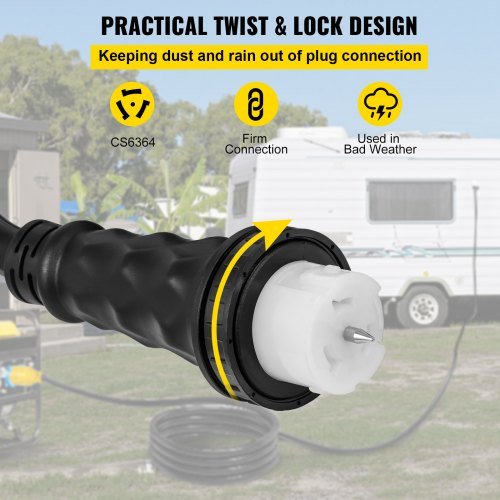
When you rely on a generator, you know how essential it is to keep everything running smoothly. But have you thought about the lifeline that connects your generator to your appliances?
Yes, your extension cords. These crucial components often don’t get the attention they deserve. Understanding how to maintain them can make all the difference in ensuring your equipment runs safely and efficiently. Imagine the peace of mind you’ll have knowing that your extension cords are in top-notch condition, ready to deliver power exactly when you need it.
Keep reading to discover simple tips that can extend the life of your cords and ensure your generator setup is always ready to go.

Credit: www.amazon.ca
Choosing The Right Extension Cord
Cord gaugemeans the thickness of the wire inside the cord. Thicker wires carry more power safely. Choose a lower gauge numberfor higher power needs. Length also matters. Longer cords can lose power and heat up. Keep cords as short as possible for best results.
Choose outdoor extension cordsfor generators. These cords have stronger, weather-resistant jackets. Indoor cords lack this protection and can be unsafe outside.
| Term | Meaning | Tip |
|---|---|---|
| Ampacity | Max current cord can carry safely | Match or exceed your generator’s amp output |
| Power Rating | Maximum wattage the cord supports | Check generator watts and cord rating |

Credit: expertelectric.ca
Inspecting Cords Before Use
Check the entire length of the extension cord for any cuts, cracks, or frayed wires. Avoid using cords with visible damageto prevent electrical hazards.
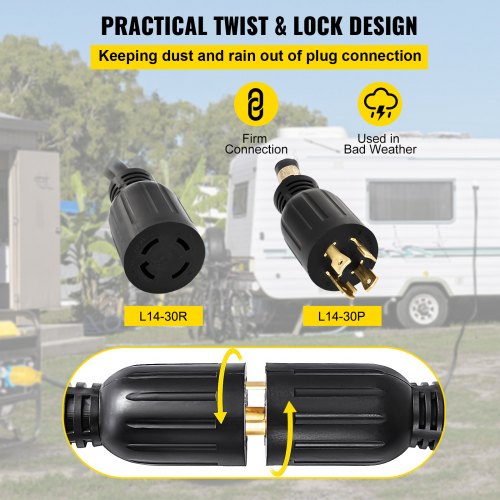
Inspect connectors and plugs to ensure they fit snugly and show no signs of burn marks, corrosion, or bent prongs. Loose or damaged connectors can cause power loss or sparks.
Look for wear and tearsuch as exposed wires, stiffness, or discoloration. These signs indicate the cord may be unsafe. Replace cords showing significant wearto keep your generator running safely.
Safe Handling And Storage
Coil extension cordsloosely to avoid damage. Tight coils can cause kinksor breaks. Use the over-under techniquefor easy uncoiling. Keep cords away from sharp edges and heavy objects.
Keep extension cords away from moistureand heat. Water can cause short circuitsor electric shocks. Avoid placing cords near heaters or direct sunlight to prevent insulation damage.
Store cords in dry, coolplaces like a garage shelf or toolbox. Use hooks or reels to keep them off the floor. Proper storage extends the lifeof your extension cords and keeps them safe.
Credit: www.vevor.ca
Preventing Overloads And Hazards
Calculate the loadon your extension cords before use. Check the generator’s power output and the cords’ capacity. Exceeding the load can cause overheating and fires. Use cords with a rating higher than the total wattage of connected devices.
Using multiple cords together needs caution. Avoid connecting too many cordsin a chain. This can lead to voltage drops and safety risks. Instead, use a single, longer cord that matches your power needs.
- Place cords where people won’t trip over them.
- Secure cords with tape or covers on floors.
- Avoid running cords across doorways or walkways.
- Inspect cords regularly for damage or wear.
Regular Maintenance Practices
Keep generator extension cords clean and free of dust for safety. Use a dry cloth to wipe off dirt. Avoid water or wet cloths to stop damage. Dust can cause cords to overheat or short circuit.
Test cords regularly to ensure they work well. Plug them in and check for sparks or unusual heat. Make sure plugs fit tightly in outlets. Testing helps find problems early before big damage happens.
Fix small issues like cuts or frayed wires quickly. Use electrical tape to cover minor cuts. Replace cords if damage is severe or wires show. Proper repair keeps cords safe and extends their life.
When To Replace Extension Cords
Signs of irreparable damageinclude frayed wires, exposed metal, and melted insulation. Cords with cuts or cracks should never be used. Sparks or burning smells during use are dangerous. Loose plugs or broken prongs also mean replacement is needed.
Upgrading to safer optionsmeans choosing cords with thicker insulation and proper gauge for your generator. Look for cords with UL certificationto ensure safety standards. Using cords with built-in circuit breakers adds extra protection.
Disposal guidelinesrequire cords to be recycled if possible. Many local recycling centers accept old electrical cords. Never throw cords in regular trash due to environmental hazards. Cut cords into pieces before disposal to prevent reuse.
Frequently Asked Questions
How Often Should I Inspect Generator Extension Cords?
Inspect your generator extension cords before each use. Check for cuts, frays, or exposed wires. Regular inspection prevents electrical hazards and ensures safe operation. Replace damaged cords immediately to maintain efficiency and safety during generator use.
What Is The Best Way To Store Generator Extension Cords?
Store cords in a dry, cool place away from sunlight. Coil them loosely to prevent kinks and damage. Avoid sharp bends or heavy objects on cords. Proper storage extends cord lifespan and maintains safety.
Can I Use Any Extension Cord With My Generator?
Use extension cords rated for outdoor and heavy-duty use. Check the cord’s gauge to match your generator’s power output. Using incorrect cords can cause overheating and damage to your generator and devices.
How Do I Clean Generator Extension Cords Safely?
Unplug cords before cleaning. Use a damp cloth with mild soap to wipe them down. Avoid soaking or using harsh chemicals. Cleaning removes dirt and debris, ensuring good electrical contact and prolonging cord life.
Conclusion
Proper care keeps generator extension cords safe and long-lasting. Check cords often for cuts or damage. Store them dry and away from heat. Avoid bending or twisting cords during use. Clean cords gently to remove dirt and dust. Follow these simple steps to prevent problems.
Your generator will work better with well-maintained cords. Stay safe and ready for any power need. Small actions make a big difference in cord life. Take care today for trouble-free use tomorrow.