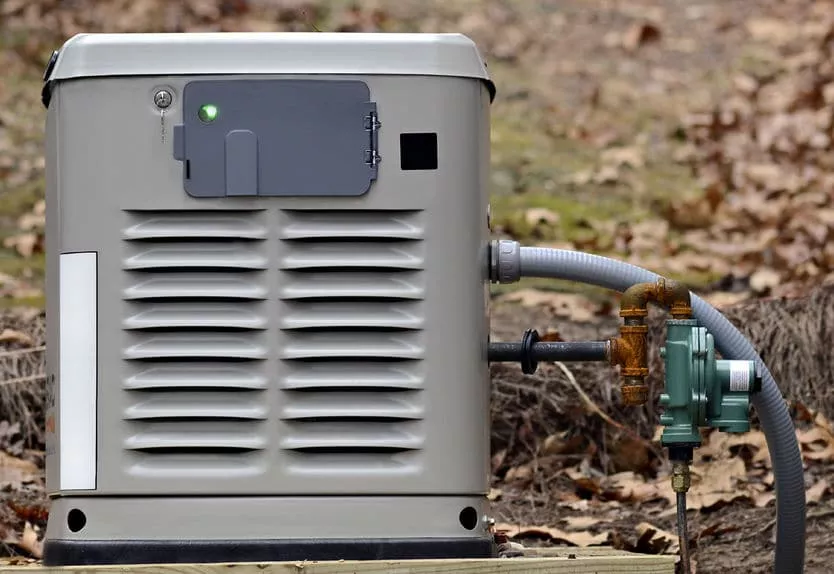
When the lights go out, and the world around you plunges into darkness, your generator becomes your lifeline. It’s your trusty companion, ensuring your home stays bright and your devices stay powered.
But to keep this backup hero ready for action, you need to give it a little TLC. That’s right—just like your car or your favorite gadgets, your generator needs regular maintenance to perform at its best when you need it most.
Imagine the peace of mind knowing that no matter the storm or power outage, your generator is primed and ready. In this guide, you’ll discover simple yet effective steps to maintain your generator for emergency situations. By following these tips, you ensure that when everyone else is left in the dark, you’re still in control. Curious to learn how you can make this happen? Let’s dive in and explore how you can keep your generator in tip-top shape, ensuring it’s always ready to light up your life.
Choosing The Right Generator
Generators come in several types. Each serves different needs. Portable generators are easy to move and good for small power needs. Standby generators turn on automatically during power cuts. They can power whole homes or buildings. Inverter generators produce clean power. They are quieter and use less fuel.
Sizing your generatoris key. Too small means it won’t power your devices. Too big wastes fuel and money. Calculate total wattage of all devices to run at once. Add extra 20-30% for safety. This helps handle power surges when devices start.
Fuel options matter. Gasoline is common and easy to find. Propane lasts longer on shelves and burns cleaner. Diesel is powerful and efficient for big generators. Natural gas offers steady supply but needs a gas line. Choose fuel based on availability and storage safety.

Credit: expertelectric.ca
Regular Inspection Routine
Regular visual checkshelp spot any signs of damage or wear. Look for cracks, leaks, or loose parts on the generator. Clean dirt and debris from vents and surfaces to keep it running well.
Check the battery conditionoften. Ensure terminals are clean and free from corrosion. Test the battery voltage to make sure it holds a charge. Replace the battery if it shows signs of weakness.
| Oil and Fluid | What to Check |
|---|---|
| Engine Oil | Check level and color. Change if dark or low. |
| Coolant | Maintain proper level to avoid overheating. |
| Fuel | Use fresh fuel. Avoid old or contaminated fuel. |
Cleaning And Lubrication
Cleaning air filtershelps keep your generator running smoothly. Remove the filter carefully to avoid damage. Use a soft brush or cloth to clear dust and dirt. If the filter is very dirty, wash it with soap and water. Let it dry completely before putting it back. Clean filters improve airflowand engine performance.
Lubricating moving partsreduces friction and wear. Use the right type of oil or grease for each part. Common parts to lubricate include the engine, fan, and bearings. Apply lubricant gently to avoid overuse. Regular lubrication keeps your generator running quietlyand lasts longer.

Credit: www.premium-electric.ca
Fuel System Care
Store fuel in a clean, cool, and dry place. Use containers made for fuel storage only. Avoid storing fuel near heat sources or sunlight. Keep fuel containers tightly sealed to stop air and moisture from entering.
Contaminated fuel can harm your generator. Dirt, water, and old fuel cause problems. Use clean funnels and tools when handling fuel. Drain old fuel from the tank before refilling. Check fuel filters often and replace them as needed.
Fuel stabilizers keep fuel fresh for longer. Add stabilizer to the fuel tank after filling. Stir or shake the fuel to mix well. This helps prevent gum and varnish build-up inside the engine. Use stabilizers if storing fuel for more than 30 days.
Testing And Running The Generator
Scheduled test runs keep the generator ready for emergencies. Run the generator at least once a month for 20-30 minutes. This helps check fuel levels, battery charge, and oil condition. It also prevents parts from sticking.
Load testing shows if the generator can handle real power needs. Use a load bank or turn on appliances during the test. This ensures the generator works under pressure and keeps voltage steady.
Warm-up procedures let the engine reach normal temperature before heavy use. Start the generator and let it run without load for 5-10 minutes. This protects the engine and extends its life.
Addressing Common Issues
Starting problemsoften happen due to a weak battery or old fuel. Check the battery charge and clean the terminals. Use fresh fuel and avoid storing it for too long. Keep the spark plug clean and replace it if needed. Regularly test the generator to ensure it starts easily.
Unusual noisescan signal loose parts or worn-out components. Tighten any bolts or screws you find loose. Look for damaged belts or fan blades and replace them. Strange sounds may also mean the engine oil needs changing. Use the right oil type and change it as per the manual.
Exhaust smokecolor tells a lot. Black smoke means too much fuel is burning. Adjust the fuel mixture or clean the air filter. Blue smoke shows oil is burning, which could mean worn piston rings. White smoke might be water or coolant leaking. Fix leaks quickly to avoid damage.
Professional Maintenance And Servicing
Generators need regular servicingto work well during emergencies. The service intervalsdepend on the usage and model of the generator.
| Service Interval | Task |
|---|---|
| Every 6 Months | Oil change, air filter check, battery test |
| Every 12 Months | Fuel system check, spark plug replacement, full inspection |
Call a technicianif the generator:
- Fails to start or runs roughly
- Makes unusual noises or smells
- Shows warning lights or error codes
- Leaks fuel or oil
Regular checks help avoid breakdowns and keep the generator ready. Trust a professional technicianfor complex repairs and tests.

Credit: expertelectric.ca
Safe Storage Practices
Generators need protection from weatherto work well. Store them in a dry, covered placeaway from rain and snow. Use a waterproof coverfor extra safety. Avoid places where water can pool or cause damage.
Winterizing your generatorkeeps it ready for cold months. Drain old fuel to stop clogs. Change the oil to avoid engine wear. Check the spark plug and clean or replace it if needed. Store the generator in a warm, dry spot to prevent freezing. Run the generator once a month to keep parts moving.
Frequently Asked Questions
How Often Should I Service My Emergency Backup Generator?
You should service your generator at least once a year. Regular maintenance ensures reliable performance during emergencies and extends the generator’s lifespan. Check oil, filters, and battery as part of routine servicing.
What Fuel Type Is Best For Emergency Generators?
Diesel, natural gas, and propane are common fuel types. Choose based on availability, storage safety, and generator compatibility. Diesel offers longer storage, while propane is cleaner and easier to store.
How Do I Test My Generator Safely?
Run your generator monthly for 10-15 minutes under load. Use proper ventilation to avoid carbon monoxide buildup. Check for unusual noises or leaks during the test.
What Are Key Signs My Generator Needs Repair?
Look for difficulty starting, unusual noises, or smoke. Also, frequent power interruptions and warning lights indicate issues. Address problems immediately to prevent generator failure during emergencies.
Conclusion
Keeping your generator ready means regular checks and simple care. Change oil and filters on time. Test the battery and fuel system often. Clean parts to avoid dirt and rust. Store fuel safely and rotate it regularly. Running the generator occasionally helps it stay in good shape.
A well-maintained generator works better during power outages. Stay prepared, safe, and worry-free by caring for your backup power. Small efforts now save bigger troubles later. Your emergency power source deserves attention and respect.