
Your generator is your lifeline during power outages, and keeping it in top shape is crucial for its efficiency and your peace of mind. Imagine this: a storm hits, and the power goes out.
You rush to turn on your generator only to find it sputtering or not starting at all. Frustrating, right? To avoid this nightmare scenario, it’s essential to maintain your generator regularly. In this guide, you’ll discover simple yet effective strategies to ensure your generator runs smoothly whenever you need it.
By the end, you’ll have the confidence that your generator is ready to deliver peak performance, keeping your home safe and powered. Ready to learn more? Let’s dive in!
Credit: canterpowersystems.com
Choosing The Right Generator
Start by checking your power needs. List all devices you want to run with the generator. Add their power ratings to find total wattage required. This helps avoid buying a generator that is too small or too big.
| Fuel Type | Efficiency | Cost | Availability |
|---|---|---|---|
| Gasoline | Good for short use | Moderate | Widely available |
| Propane | Cleaner burning | Higher cost | Less common |
| Diesel | Very efficient | Higher cost | Common for heavy use |
Choose a generator size slightly larger than your total wattage. This allows the generator to work without stress. A well-sized generator runs more efficientlyand lasts longer.
Routine Inspection Checklist
Start with a visual checkof the generator’s exterior. Look for any cracks, leaks, or corrosion. Make sure all parts are clean and intact. Check that the air vents are clear of dust and debris.
Next, inspect fluid levels. The engine oil, coolant, and fuelmust be at the right levels. Also, check the qualityof these fluids. Dark or dirty oil needs to be changed. Coolant should be fresh and not rusty.
Battery condition is key. Look for corrosion on terminalsand make sure the connections are tight. Test the battery voltage regularly. A weak battery can cause starting problems.
Regular Maintenance Tasks
Oil and filter changeskeep the generator running smoothly. Dirty oil can damage the engine. Change oil regularly to prevent wear. Replace the oil filter at the same time. This keeps the oil clean and the engine healthy.
Air filter cleaningis important for good airflow. Dust and dirt block air filters. Clean or replace them often. This helps the engine breathe better and work well. Clean air means better fuel use and less smoke.
Spark plug replacementensures easy starting and smooth running. Worn spark plugs cause weak sparks. Replace them if the engine runs rough or starts slow. New spark plugs give strong sparks for better power and less fuel waste.
Optimizing Fuel Usage
Storing fuel properlykeeps your generator running smoothly. Use clean, airtight containersto avoid dirt and water. Store fuel in a cool, dry placeaway from direct sunlight. Avoid buying more fuel than you need; old fuel can cause clogs and poor performance.
Fuel additiveshelp keep fuel fresh and clean. They prevent gum and varnish buildupin the fuel system. Adding stabilizers can extend fuel life for months. Use additives as per the instructions for best results.
Avoiding fuel contaminationis key to peak efficiency. Always use a clean funnel when pouring fuel. Check fuel for water or debris before use. Contaminated fuel can cause engine damageand reduce power.
Load Management Strategies
Balancing electrical loads helps keep the generator running smoothly. It stops any single part from using too much power. This balance lowers the chance of breakdowns and keeps fuel use low.
Avoiding overloading is key. Overload can harm the generator and shorten its life. Check the generator’s power limit and never go over it. Use only the power needed at one time.
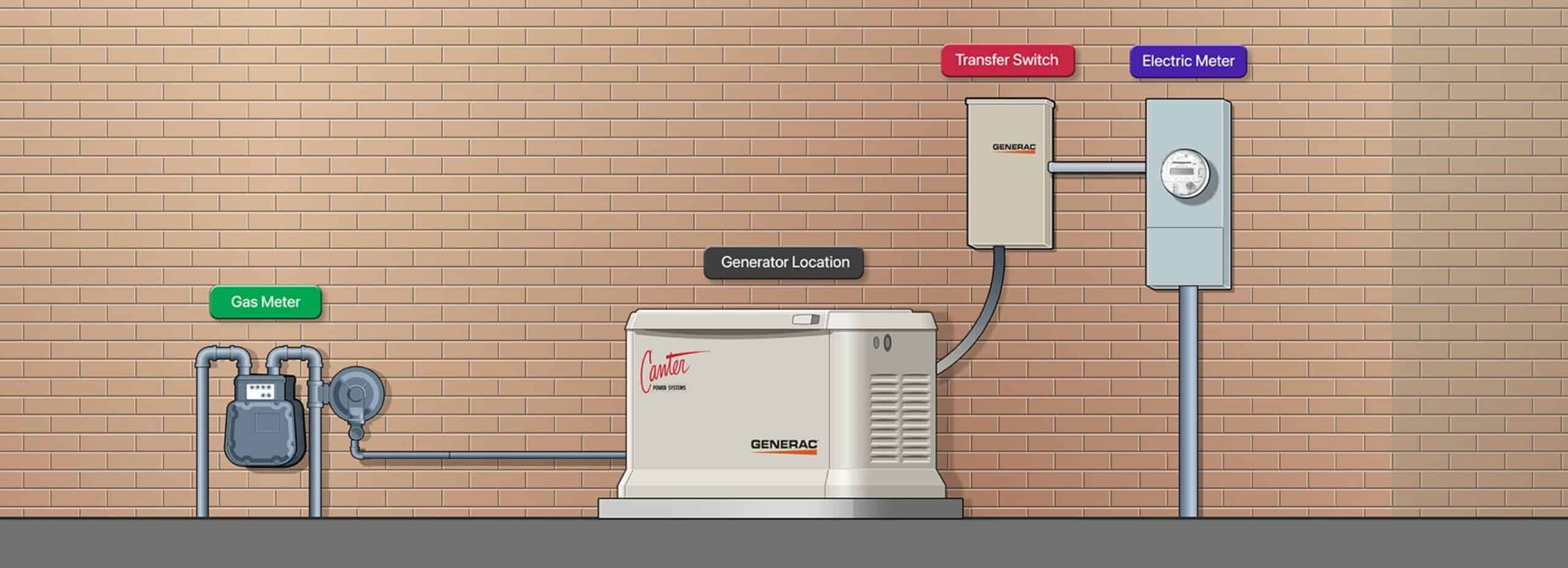
Automatic Transfer Switches (ATS) switch power sources quickly. They move power from the main source to the generator during outages. This keeps machines and lights working without delay. ATS also stops power surges that might damage equipment.

Credit: tikweld.com
Winter And Seasonal Care
Cold weather can harm your generator if not prepared well. Keep the fuel tank full to stop moisture build-up. Use a fuel stabilizer to keep the fuel fresh during winter. Change the oil before cold weather starts for smooth running. Check the battery regularly; cold can drain it fast.
Protecting the generator from moisture is key. Store it in a dry, covered place to avoid rust and damage. Use a waterproof cover but allow air to flow to prevent mold. Keep the exhaust and air intake clear of snow and ice.
Proper storage during off-season helps the generator last longer. Run the generator for 15 minutes every month to keep parts moving. Drain the fuel or add stabilizer if storing for more than 30 days. Remove the battery and store it in a warm place.
Troubleshooting Common Issues
Starting problemsoften occur due to low fuel, dead battery, or clogged filters. Check fuel levels and replace old fuel. Charge or replace the battery as needed. Clean or change air and fuel filters regularly for smooth starts.
Unusual noisesmight mean loose parts, worn bearings, or exhaust issues. Tighten bolts and screws carefully. Inspect bearings for wear and replace if noisy. Check the exhaust system for blockages or leaks to avoid damage.
Power output fluctuationscan happen from dirty spark plugs, bad wiring, or fuel problems. Clean or replace spark plugs to keep the power steady. Inspect wiring for loose connections or damage. Use fresh fuel and keep the fuel system clean to maintain steady output.

Credit: www.jcdavispower.com
When To Call A Professional
Major repairs need a professional’s help. Signs include strange noises, smoke, or leaks. If the generator won’t start, call a technician. Faulty parts or electrical issues require expert care. Avoid trying to fix these yourself to prevent damage.
Scheduled servicing keeps your generator in top shape. Professionals check oil, filters, and spark plugs. Regular checks prevent small problems from growing. Follow the manufacturer’s service timeline for best results.
Upgrading your generator may be needed over time. New models offer better fuel efficiencyand more power. A professional can advise if an upgrade fits your needs and budget. Proper installation ensures safety and performance.
Frequently Asked Questions
How Often Should I Service My Generator?
Regular servicing every 6 months ensures your generator runs efficiently. Check oil, filters, and battery to avoid breakdowns. Timely maintenance prevents costly repairs and extends generator life.
What Fuel Type Is Best For Generator Efficiency?
Use manufacturer-recommended fuel for peak performance. Clean, fresh fuel prevents clogging and engine issues. Avoid old or contaminated fuel to maintain consistent power output.
How Can I Improve My Generator’s Fuel Efficiency?
Keep the generator clean and well-maintained. Regularly replace air and fuel filters. Run the generator under optimal load to prevent fuel waste and maximize efficiency.
Why Is Checking The Oil Important For Generators?
Oil lubricates engine parts, reducing wear and tear. Low or dirty oil causes overheating and engine damage. Change oil as per schedule to maintain smooth operation.
Conclusion
Regular care keeps your generator running strong and efficient. Check oil and filters often. Clean parts help avoid breakdowns. Test the generator under load sometimes. Store fuel properly to prevent damage. Simple steps save money and time later. A well-kept generator lasts many years.
Stay safe by following these easy tips. Your power source will be ready when needed. Small efforts make a big difference in performance. Keep your generator in top shape for peace of mind.