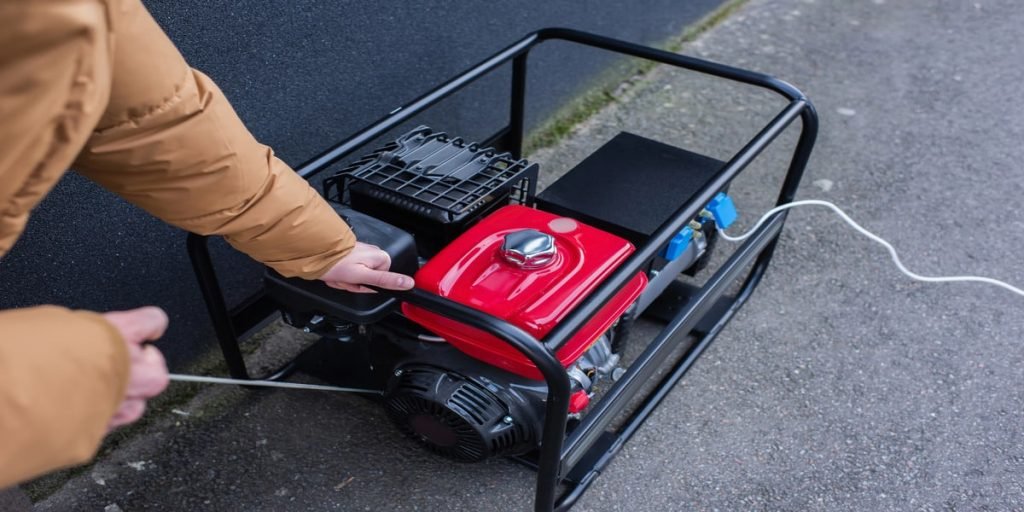
Imagine this: a storm hits, and your power goes out. But you’re calm because you have a generator.
What if the fuel in your generator isn’t stable? Suddenly, your reliable backup plan isn’t so reliable. Maintaining generator fuel stability is crucial for ensuring your generator works when you need it most. By reading this article, you’ll discover simple yet effective strategies to keep your generator fuel in top condition.
We’ll guide you through practical tips that can save you from unexpected outages and costly repairs. Are you ready to secure your power source and gain peace of mind? Let’s dive in!
Fuel Types And Their Impact
Gasolinetends to break down faster than diesel. It can form gums and varnish that clog fuel systems. Gasoline should be used within a few months for best performance.
Dieselis more stable and can last longer, sometimes up to a year if stored properly. It can, however, grow microbes and absorb water if not treated or stored well.
| Fuel Type | Stability Duration | Common Issues |
|---|---|---|
| Gasoline | Few months | Forms gum, varnish, clogs fuel system |
| Diesel | Up to 1 year | Microbial growth, water absorption |
- Additiveshelp keep fuel fresh and clean.
- Fuel stabilizers slow down breakdown and prevent gum.
- Biocides stop microbes from growing in diesel.
- Use additives as soon as fuel is stored.

Credit: trueprepper.com
Storage Best Practices
Choose containersmade of materials that do not react with fuel. Metal or high-density plasticcontainers work best. Avoid containers that let air or moisture inside. Keep containers tightly sealed to prevent fuel from going bad.
Store fuel in a cool, dry place. Avoid places with direct sunlight or heat sources. Fuel breaks down faster in hot conditions. Keep the storage area well-ventilated but protected from rain or snow.
| Factor | Recommendation |
|---|---|
| Container Material | Metal or high-density plastic |
| Seal | Tightly sealed to keep out air and moisture |
| Storage Temperature | Cool, ideally below 80°F (27°C) |
| Environment | Dry, shaded, and well-ventilated |
Fuel Treatment Methods
Fuel stabilizershelp keep generator fuel fresh for longer periods. They slow down the breakdown of fuel and prevent gum and varnish build-up. Adding stabilizers to fuel before storage can extend its life by up to a year. Use the right amount of stabilizer as per product instructions.
Regular fuel testing is key to ensure fuel quality. Check for water, dirt, and separation in stored fuel. Testing helps detect issues early before fuel damages the generator. Simple tests include visual checks and water detection strips. Keep records of test results to track fuel condition over time.
Routine Fuel Maintenance
Draining old fuelhelps keep your generator running well. Fuel can go bad over time. Old fuel may clog the system or cause damage. Empty the fuel tank if fuel has been stored for more than 30 days. Use a proper container to catch the drained fuel safely. Dispose of old fuel according to local rules. This step prevents fuel buildup and keeps the engine clean.
Fuel system inspectionmeans checking all parts for dirt or damage. Look at fuel lines, filters, and the fuel tank. Replace cracked or worn parts. Clean or change the fuel filter regularly to stop dirt from reaching the engine. Check for leaks or loose connections. Keeping the fuel system clean helps the generator start easily and run smoothly.
Handling And Safety Tips
Always use a clean container for refueling. Avoid spilling fuel on the generator or ground. Use a funnel to pour fuel slowly and carefully. Refuel only in well-ventilated areas to prevent harmful fumes. Turn off the generator and let it cool before adding fuel. Never smoke or use open flames near the fuel. Store fuel away from heat and sunlight to keep it stable. Keep fuel containers tightly closed to avoid contamination.
Contaminated fuel can harm your generator and the environment. Do not pour bad fuel down drains or on soil. Collect contaminated fuel in a sealed container. Take it to a local hazardous waste disposal site. Follow local rules for disposing of fuel safely. Clean fuel storage helps keep your generator running smoothly.
Signs Of Fuel Degradation
Fuel that has gone bad may look cloudy or have particles floating. The color might change from clear to dark or yellowish. A sour or strange smell also signals fuel degradation. These changes happen as fuel reacts with oxygen and moisture.
Generators with bad fuel can show several problems. The engine may start hard or not start at all. It might run roughly or stall often. Power output can drop, causing poor performance. Fuel filters might clog faster than usual, needing more cleaning or replacement.
Emergency Fuel Management
Temporary storage solutionsshould keep fuel safe and stable. Use clean, sealed containers made for fuel. Store fuel away from heat and sunlight. Keep containers in a cool, dry place. Avoid plastic containers that can leak or react with fuel. Label containers with the date and fuel type. Rotate stored fuel every 3 to 6 months to keep it fresh. Use a fuel stabilizer to extend shelf life. Keep storage areas free from dirt and water. Always follow local safety rules for fuel storage.
Fuel mixing guidelinesensure the right blend for your generator. Use fresh fuel for best performance. Mix different fuel types only if recommended by the manufacturer. Avoid mixing old and new fuel as this can cause problems. Use a clean container for mixing. Stir gently to blend well. Test the mixture on a small scale before filling the generator. Keep the mixture away from heat and light. Proper mixing helps keep fuel stable and your generator running smoothly.

Credit: www.bisonindustry.com
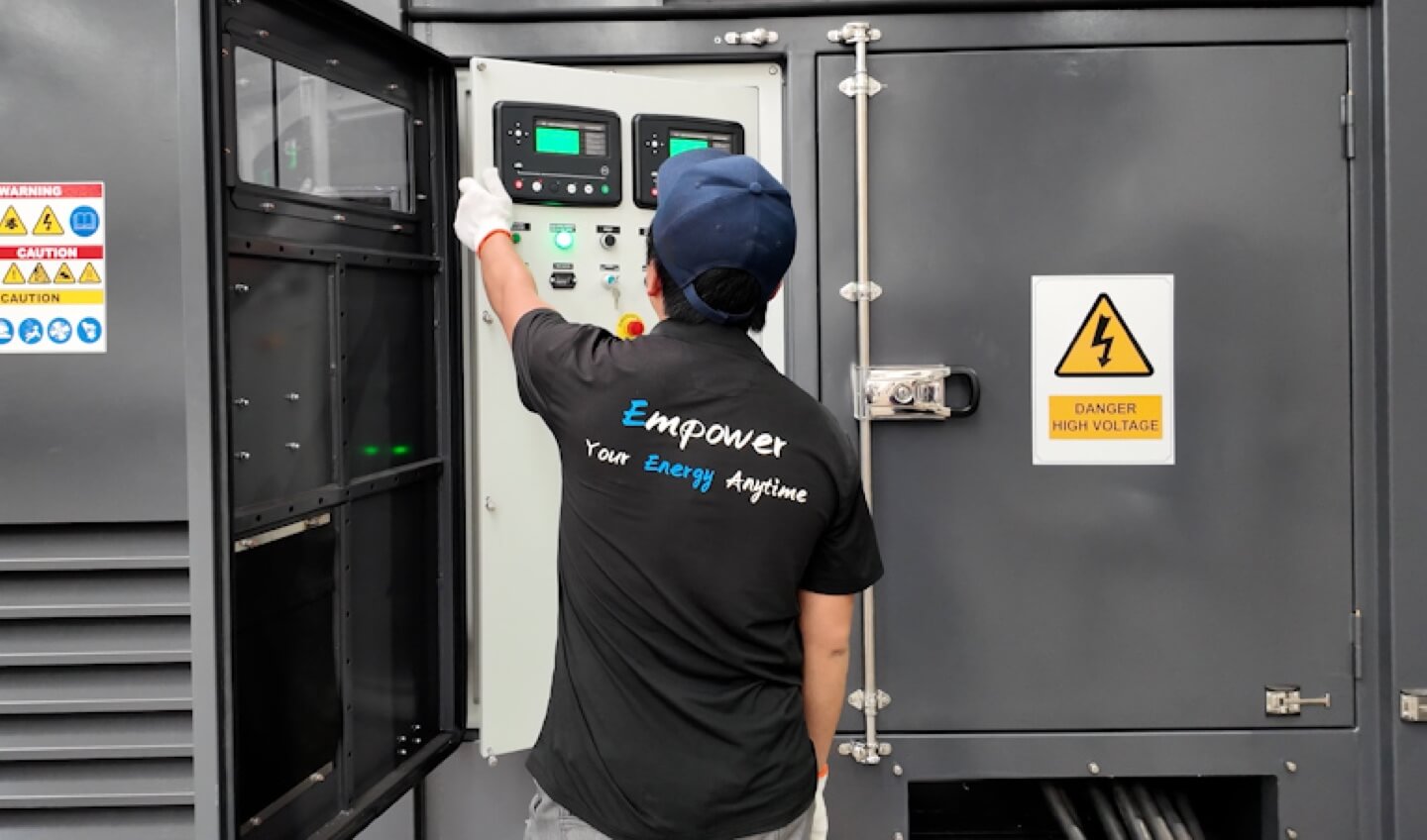
Credit: powerlinkenergy.com
Frequently Asked Questions
How Often Should I Check Generator Fuel Stability?
Check your generator fuel stability at least once every three months. Regular inspections prevent fuel degradation and engine issues. Use fuel stabilizers and store fuel properly for optimal performance.
What Additives Improve Generator Fuel Stability?
Fuel stabilizers and antioxidants are key additives. They prevent oxidation and extend fuel life. Always use manufacturer-recommended additives for best results and avoid fuel contamination.
How Should I Store Generator Fuel Safely?
Store fuel in clean, sealed containers away from heat and sunlight. Use approved storage tanks to prevent contamination. Keep fuel in a cool, dry place to maintain stability and safety.
Can Old Fuel Damage My Generator?
Yes, old fuel can cause engine clogging and poor performance. Degraded fuel forms varnish and deposits, leading to costly repairs. Always use fresh or stabilized fuel to protect your generator.
Conclusion
Maintaining generator fuel stability keeps your machine ready to run. Store fuel in clean, sealed containers to avoid dirt and water. Use fuel stabilizers to slow down fuel breakdown over time. Regularly check and rotate your fuel supply to keep it fresh.
Clean fuel filters help your generator work smoothly. These simple steps save you from costly repairs and downtime. Keep your generator fuel stable for reliable power anytime. Easy care makes a big difference in fuel life. Stay prepared and protect your investment with good fuel habits.