
Are you relying on a lithium generator battery to power your adventures or keep your home running smoothly? If so, you’re likely aware of the incredible convenience and efficiency these batteries offer.
But did you know that proper maintenance is key to maximizing their lifespan and performance? Picture this: you’re in the middle of a camping trip or facing an unexpected power outage, and your battery suddenly fails. Avoiding such scenarios is easier than you think.
By understanding how to care for your lithium generator battery, you can ensure it remains reliable and efficient for years to come. Dive into this guide to discover practical tips and insider secrets that will keep your battery in peak condition. Your future self will thank you!
Battery Basics
Lithium generator batterieshave a few key parts that keep them working well. The anodeand cathodestore and release energy. The electrolytehelps ions move between them. A separatorstops the anode and cathode from touching and causing a short circuit. A strong battery management system (BMS)protects the battery from damage by controlling charge and temperature.
| Type of Lithium Battery | Description | Common Use |
|---|---|---|
| Lithium-ion (Li-ion) | High energy density, widely used. | Consumer electronics, power tools. |
| Lithium Iron Phosphate (LiFePO4) | Long life, safer, stable voltage. | Electric vehicles, solar storage. |
| Lithium Polymer (Li-Po) | Flexible shape, lightweight. | Drones, mobile devices. |

Credit: www.wattcycle.com
Charging Best Practices
Optimal charging cycleshelp keep lithium generator batteries healthy. Charge the battery regularly, but avoid charging it to 100% every time. Aim for charging between 20% and 80%to extend battery life. Frequent short charges are better than long, full charges.
Avoid overchargeby using chargers with automatic shutoff. Overcharging can cause battery damageand reduce capacity. Deep discharge, or letting the battery drain completely, can also harm the battery. Try to recharge before the battery drops below 20%.
- Charge between 20% and 80% for best results.
- Use smart chargers with protection features.
- Do not let battery discharge below 20%.
- Frequent partial charges are better than full charges.
Storage Guidelines
Lithium generator batteries work best when stored in the right conditions. Keep them in a cool place. The ideal temperature rangeis between 15°C and 25°C (59°F to 77°F). Temperatures above or below this can harm battery life. Avoid places with high heat or freezing cold.
Battery charge level matters too. Store the battery at about 40% to 60%charge. This level keeps the battery healthy and ready to use. Storing fully charged or fully drained batteries can cause damage. Check the charge before storage and recharge if needed after long storage.
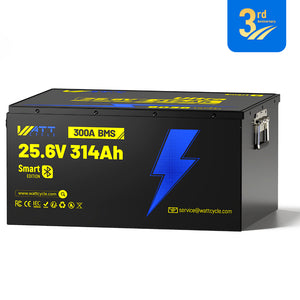
Credit: www.wattcycle.com
Regular Maintenance Steps
Cleaning the battery terminals keeps connections strong. Use a soft cloth and mild cleaner to remove dirt and corrosion. Check for cracks or leaks in the battery case. These can cause battery failure or hazards. Keep the battery dry and avoid water contact.
Monitoring battery health helps avoid sudden failures. Check the voltage regularly with a multimeter. A healthy lithium generator battery usually has a voltage between 12.6 and 13.2 volts. Listen for unusual sounds or smells during charging. These may signal problems.
| Task | What to Do | Why It Matters |
|---|---|---|
| Cleaning | Wipe terminals, remove dirt and corrosion | Ensures strong electrical connection |
| Inspection | Look for cracks, leaks, or damage | Prevents hazards and battery failure |
| Voltage Check | Use multimeter to check voltage | Detects battery health and charge level |
| Noise and Smell | Notice unusual sounds or odors | Warns of internal issues |
Handling And Safety Tips
Transport lithium generator batteries carefully to avoid damage. Use sturdy, insulated containersto prevent short circuits. Keep batteries upright and secure to stop movement during transport. Avoid exposure to extreme temperatures or moisture. Always label packages with hazard warningsand handle with care.
In emergencies, act fast to reduce harm. If a battery leaks, avoid touching the liquid. Use protective gloves and clean spills with non-flammable materials. Move people away from smoke or fumes. Call emergency services immediately if fire or injury occurs.

Credit: outbax.com.au
Troubleshooting Common Issues
Performance dropsin lithium generator batteries often show as shorter run times. This can happen due to overheatingor aging cells. Check the battery’s temperature regularly. Keep it in a cool, dry place. Avoid exposing it to direct sunlight for long hours.
Charging problemsare common and can stop the battery from holding power. Always use the correct chargermade for lithium batteries. Check the charger’s cable and ports for damage. Dirt or corrosion on connectors can cause charging issues. Clean them gently with a dry cloth.
- Check battery voltage with a multimeter.
- Reset the battery management system if possible.
- Replace damaged cables or connectors.
- Do not overcharge or fully drain the battery.
- Monitor charging time; it should not be too long.
Frequently Asked Questions
How Often Should I Charge A Lithium Generator Battery?
You should charge a lithium generator battery after every use or when its charge drops below 20%. Regular charging prevents deep discharge and extends battery life. Avoid overcharging by using a compatible charger with automatic cut-off features to maintain optimal battery health.
What Is The Best Temperature For Lithium Battery Storage?
Store lithium generator batteries in a cool, dry place between 20°C to 25°C (68°F to 77°F). Avoid extreme heat or freezing temperatures, which can damage the battery and reduce its lifespan. Proper storage helps maintain battery performance and safety.
How Can I Clean Lithium Generator Battery Terminals?
Use a soft cloth or brush with a mild detergent to gently clean the terminals. Avoid abrasive materials or harsh chemicals. Keeping terminals clean ensures proper electrical contact and prevents corrosion, which can impair battery performance.
Can I Use Any Charger For Lithium Generator Batteries?
No, always use a charger specifically designed for lithium batteries. Incorrect chargers can cause overcharging, overheating, or damage. Using the right charger ensures safe, efficient charging and prolongs battery life.
Conclusion
Maintaining your lithium generator battery keeps it running longer and stronger. Regular checks help spot problems early and prevent damage. Keep the battery clean and dry for best results. Charge it properly and avoid extreme temperatures. Simple steps make a big difference in battery life.
Take care today to save money tomorrow. Your generator will serve you well with good battery care.